Starting tomorrow, Al-Zaydi directs the resumption of operations by oil companies in Kurdistan.
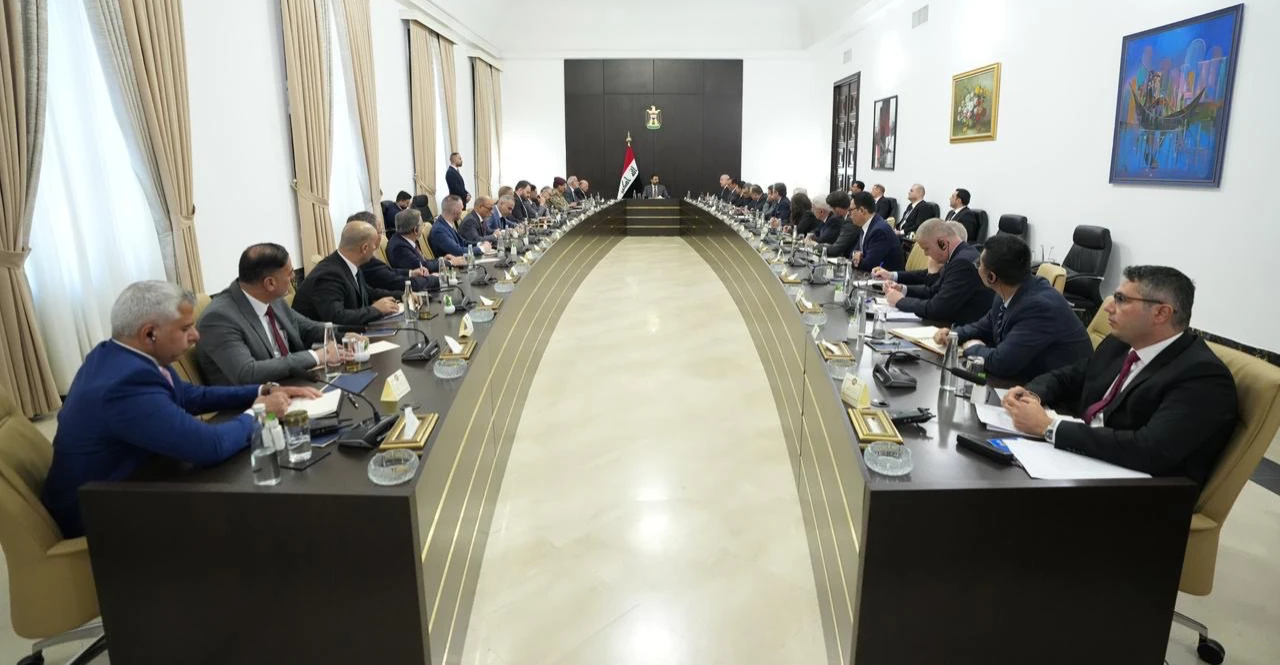 Prime Minister Ali Faleh al-Zaidi directed on Wednesday that oil companies in Kurdistan resume their work starting Thursday, during his reception of a high-level delegation from Kurdistan.
The Prime Minister’s Media Office stated in a statement received by Shafaq News Agency that Al-Zaidi received today a delegation from the Kurdistan Regional Government headed by the Minister of Natural Resources, Kamal Muhammad Salih, accompanied by representatives of a number of international oil companies operating in the region, in the presence of the Minister of Foreign Affairs, the Minister of Oil, and the Chief of Staff of the Army.
The statement added that the Prime Minister listened to a detailed explanation of the working conditions of the oil companies, in light of the recent events resulting from the war that the region witnessed, as well as presenting a comprehensive vision regarding the resumption of those companies’ work as quickly as possible.
According to the statement, Al-Zaydi directed that all requirements be provided to secure the work of oil companies operating in the region, noting that the damage inflicted on Iraq as a result of the cessation of oil exports through the Strait of Hormuz was significant, requiring a doubling of efforts to compensate for that damage by addressing the problems that hinder increased production.
Information received by Shafaq News Agency earlier on Wednesday indicated that a high-level delegation from the Kurdistan Regional Government is scheduled to travel to Baghdad on Wednesday to hold talks regarding the resumption of the region’s oil exports.
According to information obtained by Shafaq News Agency, the Kurdish delegation consists of: Kamal Mohammed, Minister of Natural Resources; Omid Sabah, Chief of Staff of the Council of Ministers; and Amanj Rahim, Secretary of the Council of Ministers. The delegation will hold serious talks regarding the resumption of Kurdistan’s oil exports, and the issue of increasing export volumes will also be discussed.
The information confirms that if the Kurdistan Region’s oil exports resume, this will have a direct impact on the salaries of the region’s citizens, and therefore Baghdad will be obligated to send the salaries on their scheduled date.
Kurdistan Region’s oil exports have fallen from 200,000 barrels to 20,000 barrels due to attacks by Iraqi factions and Iranian forces, which have forced companies to halt their operations.
The head of the office of the Council of Ministers of the Kurdistan Regional Government, Omid Sabah, announced on May 24 that, following the end of the Eid al-Adha holiday, a high-level official delegation from the Ministry of Natural Resources in the Kurdistan Region, accompanied by representatives of foreign oil companies, is scheduled to visit the capital, Baghdad, to conduct detailed discussions aimed at reaching a final formula that guarantees the resumption of the region’s oil exports as soon as possible.
He noted that foreign oil companies operating in the region had demanded official guarantees from the Iraqi government following recent security tensions and attacks on oil fields, indicating that Prime Minister Ali al-Zubaidi had personally pledged to provide these guarantees to protect the fields and companies.
Shafaq.com

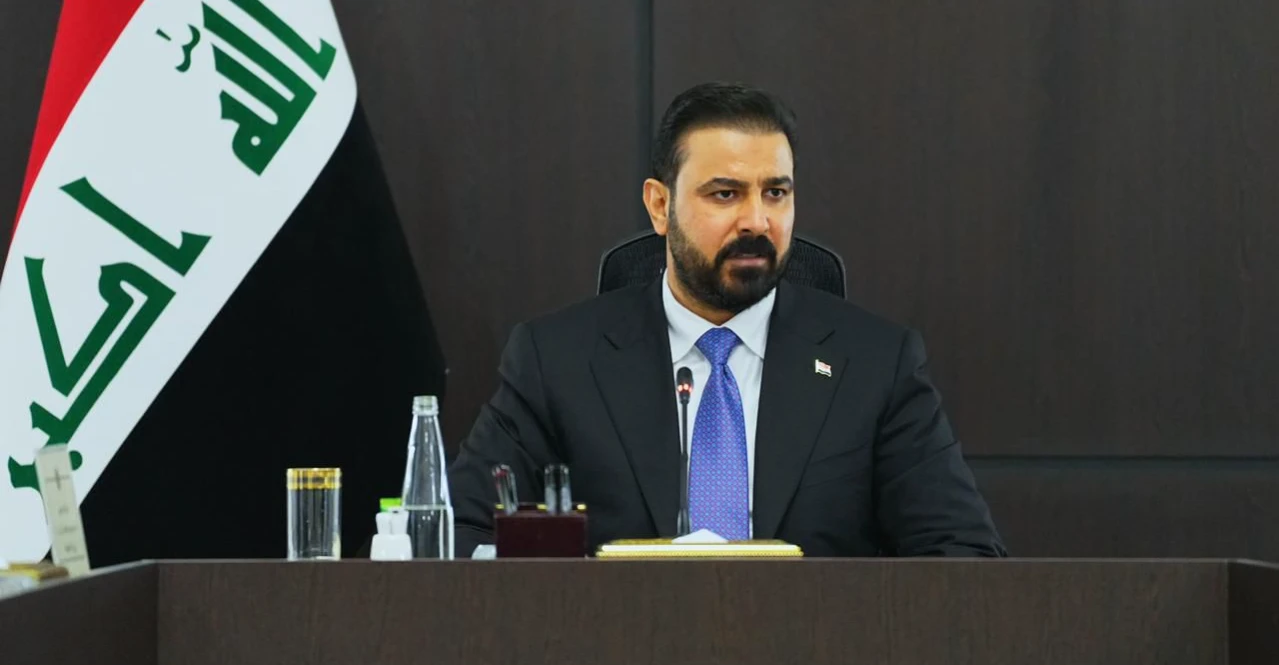 The spokesman for the Commander-in-Chief of the Armed Forces, Sabah al-Nu’man, refuted on Friday what has been circulating recently on social media pages regarding news about changes in the senior leadership positions of the military and security institutions in the country.
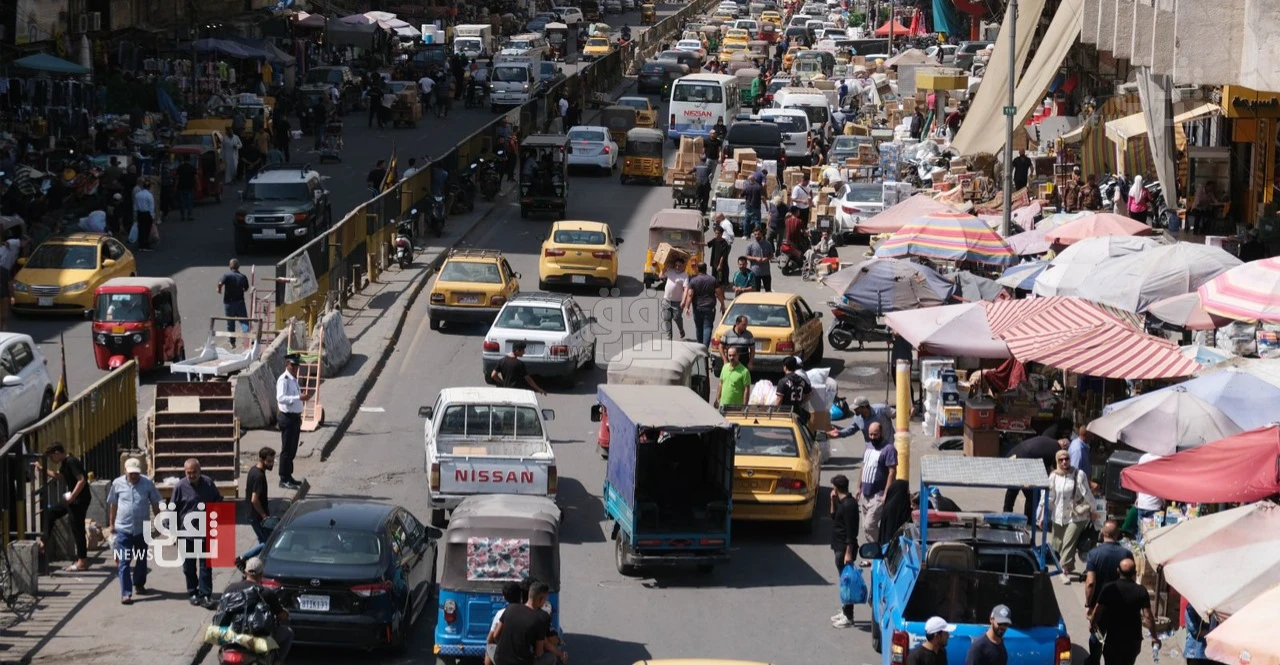 On Friday, Mazhar Muhammad Salih, the Prime Minister’s economic advisor, confirmed that the government program has laid its strategic foundations in the field of financial and economic diversification, with the aim of achieving Iraq’s sustainable development goals.
 The leader in the Azm Alliance, Muhammad al-Dhari al-Fahdawi, revealed today, Wednesday, that adding any security formation to Ali al-Zaidi’s government requires a constitutional amendment, and no political or external entity has the right to violate the prevailing laws in the mechanism for adding a new security institution.
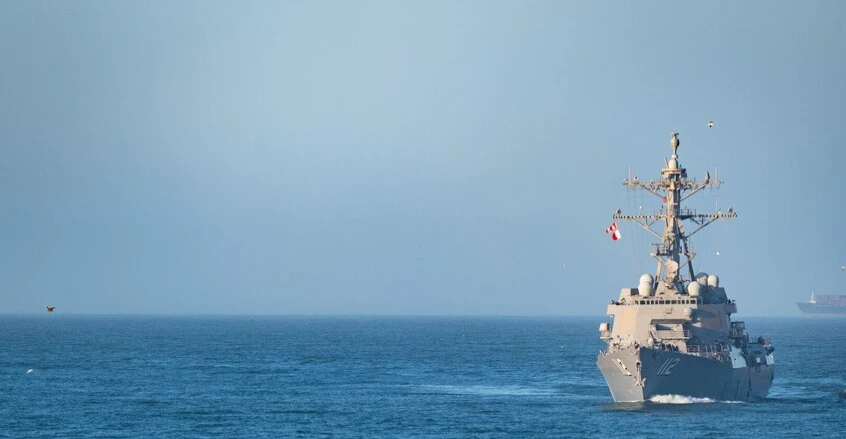 The Israeli newspaper Israel Hayom reported on Wednesday that America informed the Iranian authorities that it would not open the Strait of Hormuz until Iran handed over its enriched uranium sites.
 ndependent politician Sheikh Haider al-Lami, close to Nouri al-Maliki, head of the State of Law Coalition, confirmed that finalizing the cabinet is not a difficult matter. He suggested that new figures will be nominated for ministerial positions in al-Zaidi’s cabinet, in addition to those rejected in the government’s approval vote.
 The State of Law Coalition revealed on Wednesday that the forces within the Coordination Framework have agreed to hold an extraordinary meeting in the near future to finalize the cabinet formation, suggesting that the vote on the remaining ministerial posts will take place at the beginning of July.
 Revealed on Wednesday that President Trump’s envoy, Tom Barrack, will discuss with Prime Minister Ali al-Zaidi the corruption files of officials in previous governments, carrying the names of those involved in stealing Iraqi funds between 2003 and 2026, most notably former Prime Minister Mohammed Shia al-Sudani.
 The head of the Tasmeem parliamentary bloc, Amer al-Fayez, confirmed on Wednesday that discussions are ongoing among political forces to finalize the cabinet formation. He noted that the upcoming parliamentary recess could affect the holding of a vote on the cabinet. Al-Fayez told Al-Maalomah News Agency, “Discussions are still underway among political forces to reach final understandings regarding the completion of the cabinet and filling the vacant ministerial positions.”
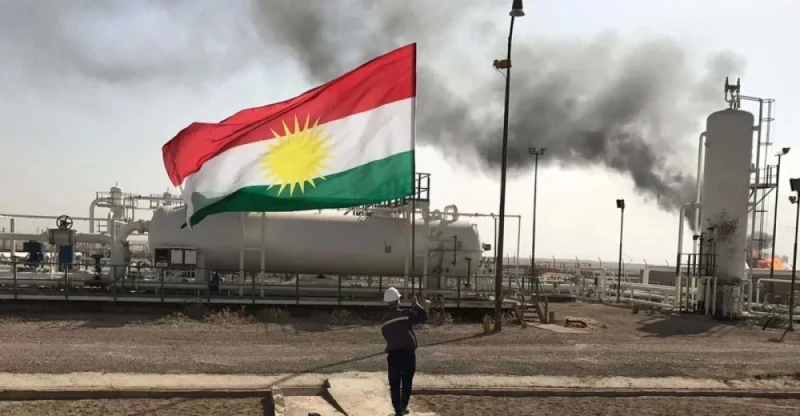 A high-level delegation from the Kurdistan Regional Government is scheduled to travel to Baghdad on Wednesday for talks on resuming the region’s oil exports.