
Tensions with Araqchi and restrictions on Khamenei’s funeral procession… Al-Zaydi is leading Iraq away from Iran
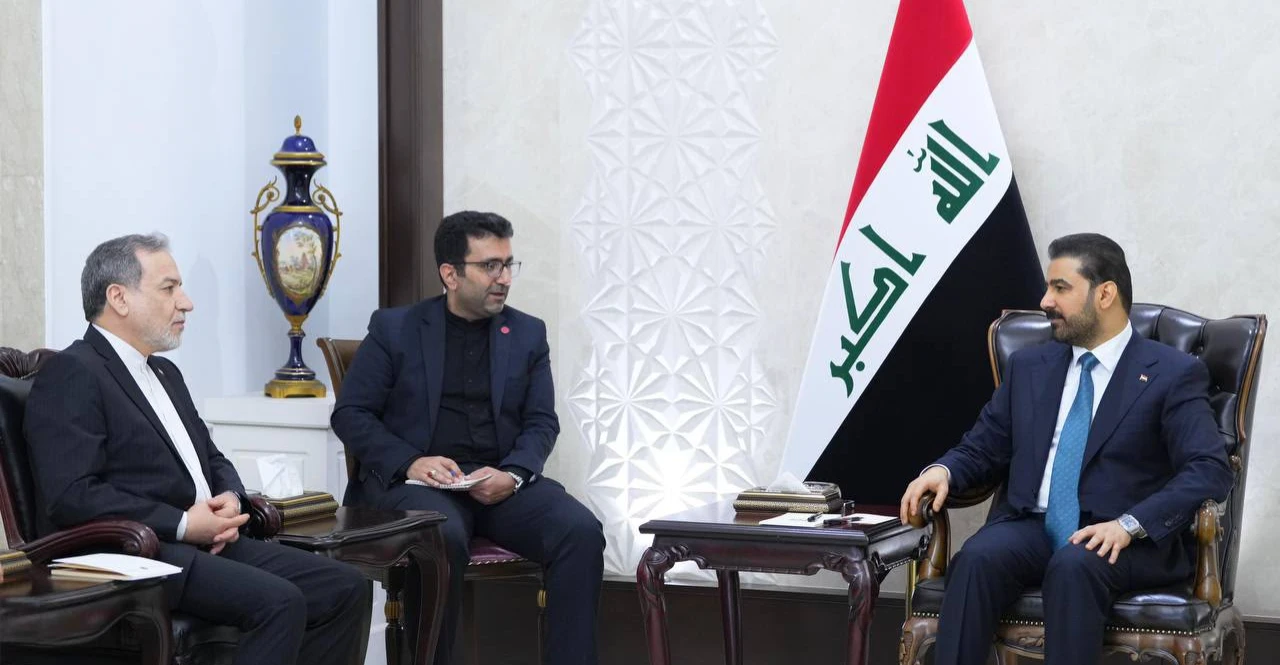 Paul Davis, an American academic and researcher in national security affairs, believes that the Iraqi government is sending clear political messages that reflect a gradual shift in its foreign policy, led by Prime Minister Ali Faleh al-Zaidi, with the aim of reducing Iranian influence and opening up more to the United States and Arab countries. GeographicReference
Davis, an assistant professor at the Institute for World Policy in Washington, told Shafaq News that limiting the funeral ceremonies for former Iranian Supreme Leader Ali Khamenei within Iraq to Najaf and Karbala, without organizing official ceremonies in Baghdad, “represents a striking indication of the nature of the new relationship that the Iraqi government is trying to forge with Tehran.”
He added that “it is natural, given the historical relations and sectarian ties, for Iraq to participate in this occasion, but the absence of the capital from the scene carries political implications that cannot be ignored.”
Davis believed that the reports circulating about restricting the participation of Quds Force commander Ismail Qaani, if true, would be a “very significant signal,” especially in light of the government’s efforts to confine weapons to the state, and the associated influence of armed factions supported by Iran.
He noted that the heated discussions between Prime Minister Ali Faleh al-Zaidi and Iranian Foreign Minister Abbas Araqchi reflect the growing divergence between Baghdad and Tehran, especially with al-Zaidi’s anticipated visit to Washington approaching.
He continued: “It appears that al-Zaidi is not only seeking to strengthen his relationship with the United States, but is also working to reposition Iraq regionally, by building closer relations with neighboring Arab countries, and reducing the extent of Iranian influence in Iraqi decision-making.”
The American researcher added that this path will not be easy, explaining that the Prime Minister will face pressure from political forces and influential factions within the ruling coalition, and that it is still too early to judge the success of this approach.
Davis’s remarks came after information revealed by Iraqi sources to Shafaq News Agency, which spoke of the Iraqi government imposing restrictions on Khamenei’s funeral ceremonies, limiting them to the governorates of Najaf and Karbala, based on security and political considerations, while avoiding holding any ceremonies in Baghdad.
The sources also reported that Baghdad informed the Iranian side of the need for Iranian military leaders, including Quds Force commander Ismail Qaani, not to participate in the ceremonies, for fear that the event would carry political and security messages that go beyond its religious character.
However, the head of the parliamentary Design Alliance bloc, Amer Al-Fayez, denied to Shafaq News Agency the validity of the reports that Tehran had been informed that Qaani was “persona non grata” inside Iraq, stressing that this information was “completely false” and that it aimed to harm relations between Baghdad and Tehran, especially since Qaani “did not issue anything that warranted taking such a position.”
These developments coincide with al-Zaidi’s preparations to visit Washington and meet with US President Donald Trump, in a visit seen as a pivotal moment in shaping the foreign policy of the new government, amid Iraqi attempts to manage the balance between partnership with the United States and maintaining its relations with Iran, at a stage that is witnessing a rearrangement of the equations of influence in the region.
Shafaq.com
 Economic expert Mohammed Al-Hassani suggested on Tuesday that the decision by the Central Bank of Iraq to reduce the amount allocated for air travelers from $3,000 to $2,000 will lead to an increase in demand for dollars in the parallel market during the first phase, with some travelers resorting to buying the remaining amount from local markets.
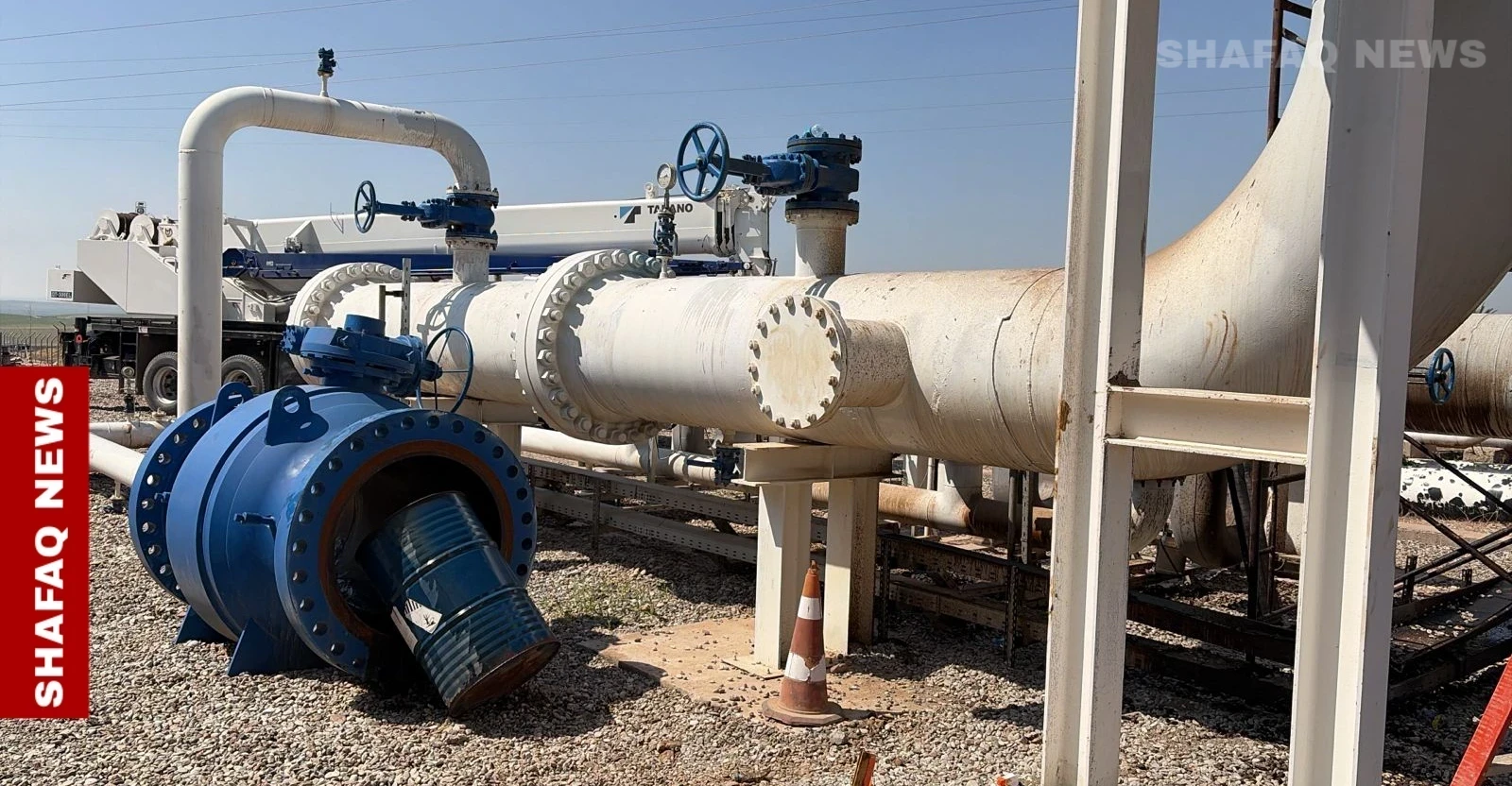 Data from Vortexa showed that Iraq exported about 780,000 barrels per day of crude oil during June, which is only about 20% of the quantities it exported before the war, making it one of the Gulf countries that has not recovered its previous levels of production and export. Arabs& Middle Easterners
 The Iraqi citizen may not directly feel the rise or fall of the Central Bank’s foreign currency reserves, but he feels its effects in the dollar exchange rate, commodity prices, the purchasing power of the dinar, and even in the state’s ability to cope with economic crises. Arabs& Middle Easterners
 The Prime Minister’s financial advisor, Mazhar Muhammad Salih, confirmed on Tuesday that the funds recovered from corrupt individuals represent exceptional revenues that cannot be relied upon in preparing public budgets. He indicated that these funds will contribute to reducing the deficit gap and financing projects. Salih told the official news agency, “The funds recovered from corrupt individuals are important and non-recurring exceptional revenues, as they cannot necessarily and permanently be relied upon in preparing public budgets. However, they constitute an important source of revenue in financial planning.”
 The head of the Victorious parliamentary bloc, Faleh al-Khazali, announced on Tuesday a corruption deal in the Ministry of Defense that cost 1.6 trillion dinars, and called on Prime Minister Ali al-Zidi to investigate the matter. Corporate& Financial Crime
 The head of the Federal Integrity Commission, Mohammed Ali Al-Lami, agreed today, Thursday, with the governor of the Central Bank, Nizar Nasser Hussein, to dry up the avenues for smuggling money . Currencies& Foreign Exchange
 Anxiety continues to grip a large segment of the Iraqi population, particularly those with limited incomes and low salaries, amidst economic instability and conflicting reports regarding the exchange rate of the dollar against the dinar. The Iraqi public is most concerned about market prices and their susceptibility to government decisions regarding the dinar-dollar exchange rate, as well as the future of Iraq’s membership in OPEC, its oil export volumes, and the implications of these factors for the country’s economic policy and how the government will address them.
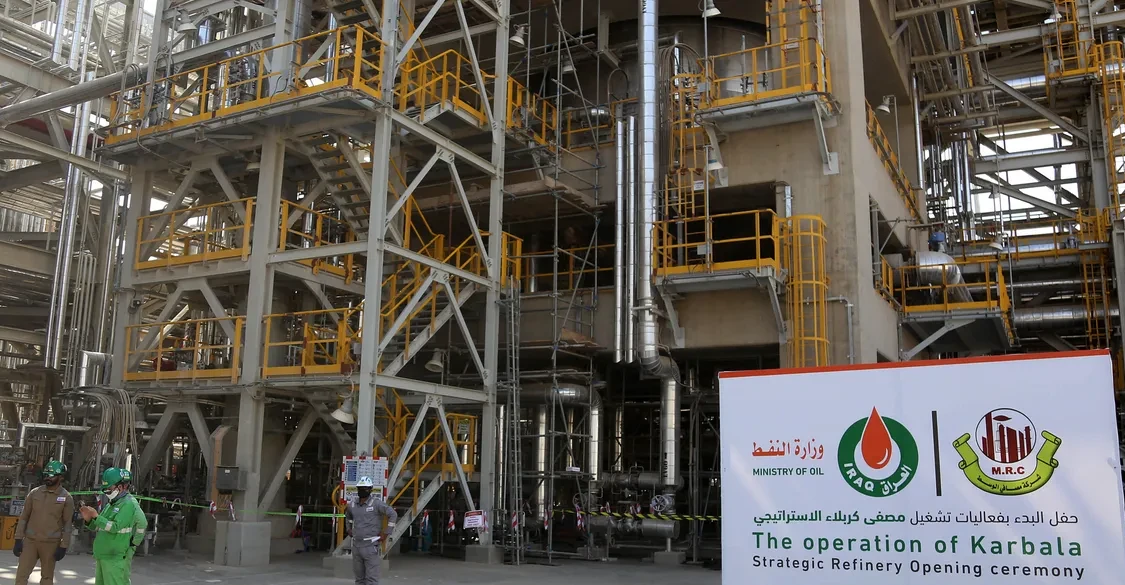 Reuters highlighted Iraq’s move to increase its oil production and maximize the benefit from its reserves, noting that Baghdad, along with the UAE, is racing against time to convert its reserves into revenues before the global shift in the energy sector leads to a decline in oil demand.
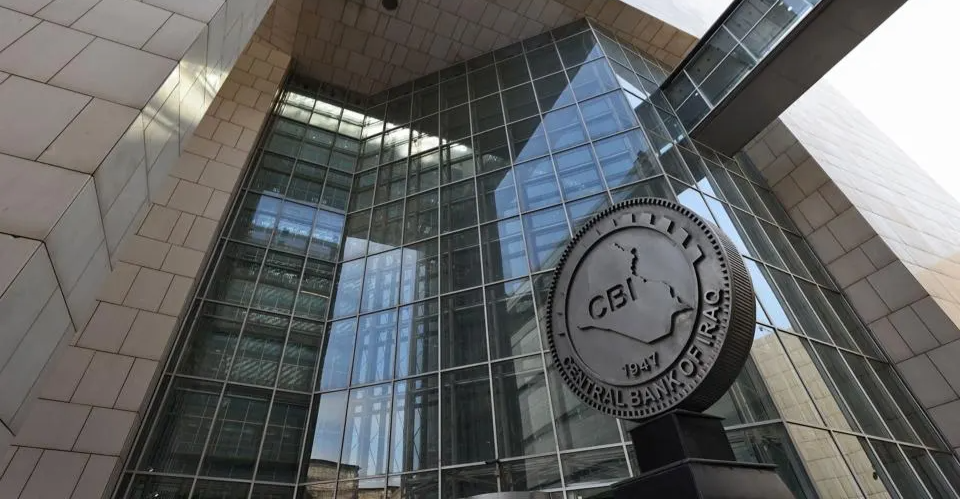 Data from the Central Bank of Iraq, released on Thursday, showed that the volume of currency issued in the country rose to 112.896 trillion dinars from the beginning of 2025 until April 2026. News