
To boost the economy, calls are being made to open corruption files, monitor contracts, and investigate local governments.
 Recently, numerous corruption cases involving officials in the executive branch have been opened, with the theft of millions of dollars. This has prompted many political and parliamentary circles to demand the opening of all corruption files, the monitoring of local governments, and the continuation of efforts to eradicate corruption in order to serve the national economy amidst Iraq’s economic decline. They are also calling for scrutiny of contracts and investments, as political figures assert that many of these contracts are tainted by corruption and suspicion.
Former MP Yasser al-Husseini told Al-Maalouma, “Many corrupt individuals have managed to obtain large contracts for important strategic Iraqi projects, securing them through long-term agreements that generate tens of billions of dinars monthly.”
He added, “If the government truly wants to pursue reform, there are many corruption cases that can be addressed, combated, and the funds, both oil and non-oil, that are being squandered daily, brought under control.”
He explained that “there are simple steps that can be taken to ensure control over Iraqi funds and revenues in order to rescue the Iraqi economy, promote its recovery and revitalization, achieve economic sovereignty for Iraq, and nationalize public economic projects.”
For his part, former MP Arif al-Hamami told Al-Maalomah that “the scourge of corruption necessitates a firm response through a clear, systematic plan based on forming a high-level committee to audit all files and contracts concluded by local governments in various service sectors over the past years.”
He added that “there are suspicions of financial and administrative corruption that may surprise the public,” emphasizing “the need to open the file on inflated project costs and adopt clear and transparent mechanisms to address it.”
Al-Hamami stressed that “corruption has devoured enormous sums of the people’s resources over many years,” indicating that “combating corruption in local governments in the provinces represents the right start to blocking this scourge, which has spared no department or institution. Therefore, confronting corruption requires a clear vision and a comprehensive action plan to ensure accountability and fairness.”
In a related context, MP Ali Saber explained to Al-Maalomah that “eliminating corruption is among the most prominent tasks of the government during the current phase, through the adoption of serious and clear mechanisms to hold those involved accountable and restore the prestige of the state.”
He added that “corruption has caused the depletion of public funds and directly affected the paths of development and progress, which necessitates taking decisive measures to address it,” calling for “opening all closed files that witnessed the squandering of public funds and holding those responsible and involved accountable within the legal frameworks.”
He pointed out that “it is the duty of MPs to work on restoring rights to their owners with complete transparency and not to be satisfied with formal procedures, as the current phase requires isolating the corrupt and exposing the parties behind them, whether they are influential figures or entities, considering this a national entitlement and a responsibility to the people.”
He emphasized the importance of “moving towards forming specialized professional teams and bodies to support anti-corruption efforts, operating according to standards of integrity and efficiency, and contributing to strengthening institutional oversight and activating legal tools in a way that consolidates the principles of transparency and accountability.”
Almaalomah.me
 Wafa Mohammed Karim, a member of the Kurdistan Democratic Party, confirmed the possibility of exporting one million barrels of oil daily through the Kurdistan Region, thus avoiding any developments that might arise in the region regarding exports via seaports.
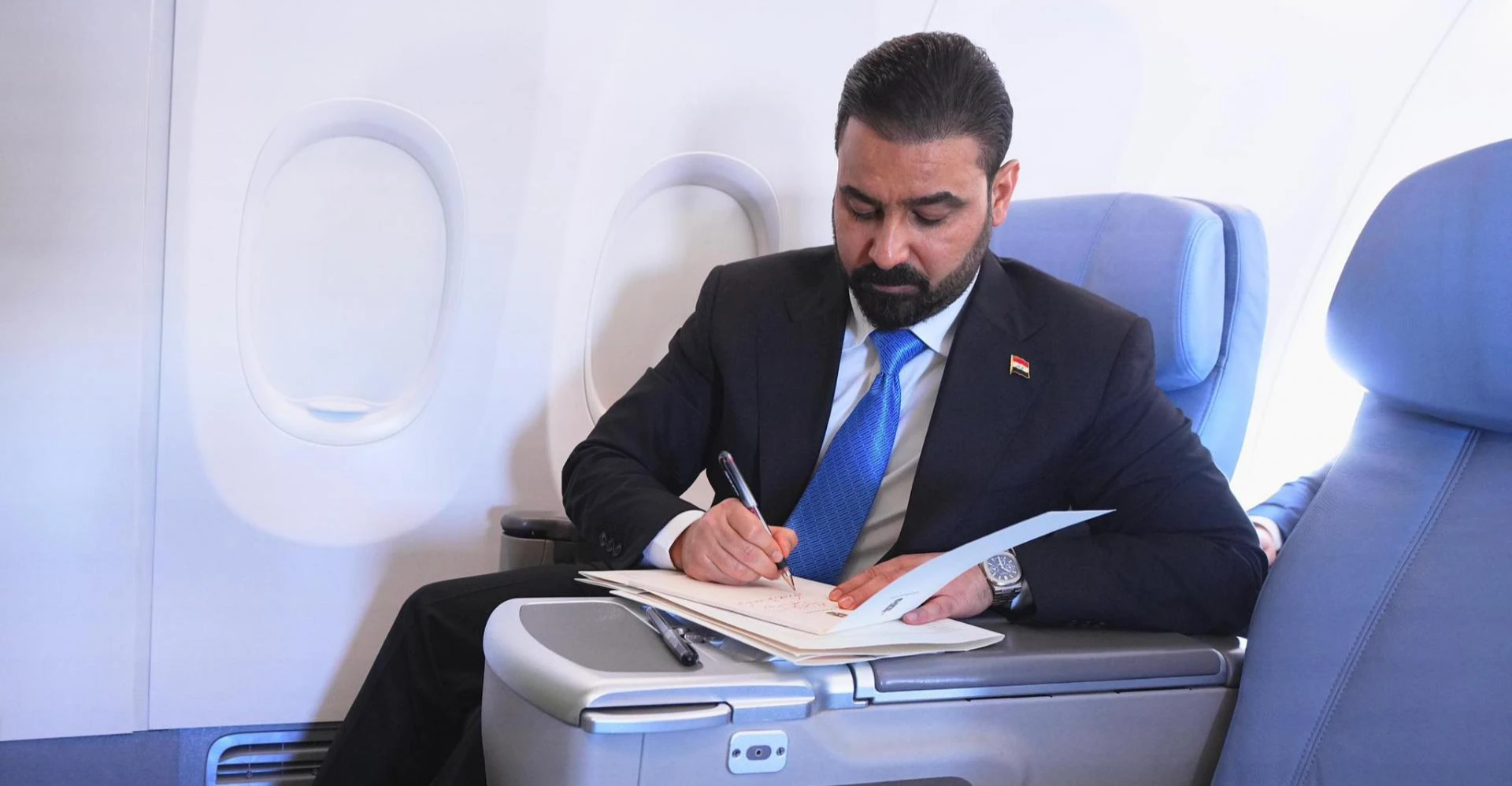 The administration of US President Donald Trump is no longer willing to accept the ambiguity of Iraq’s position through its rapprochement with Iran, as it believes that Baghdad should turn westward instead of eastward, and strengthen its friendship with the United States and the surrounding Arab countries.
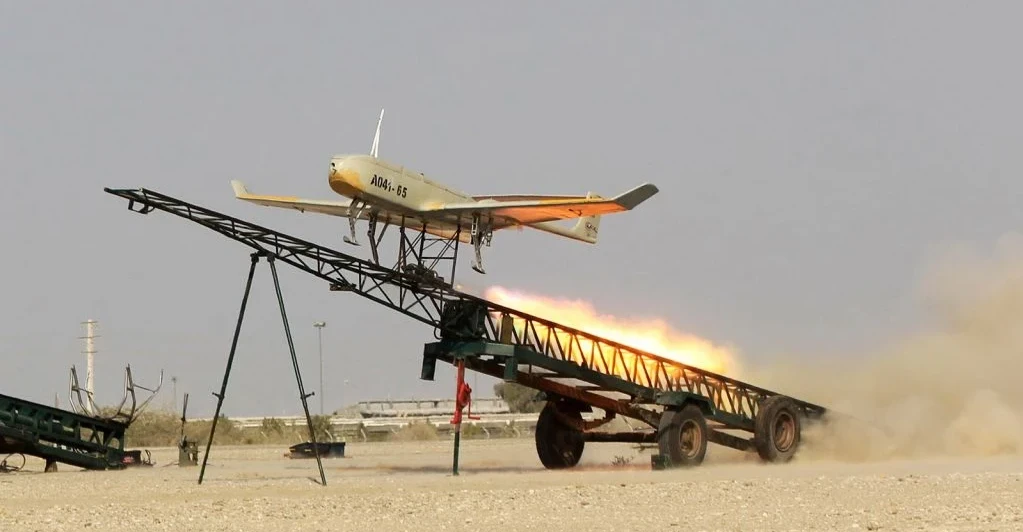 The Secretary-General of the Gulf Cooperation Council, Jassim Al-Badawi, confirmed on Friday that the Council possesses evidence, coordinates, and images confirming that the “recent attacks” on the Gulf states originated from Iraq.
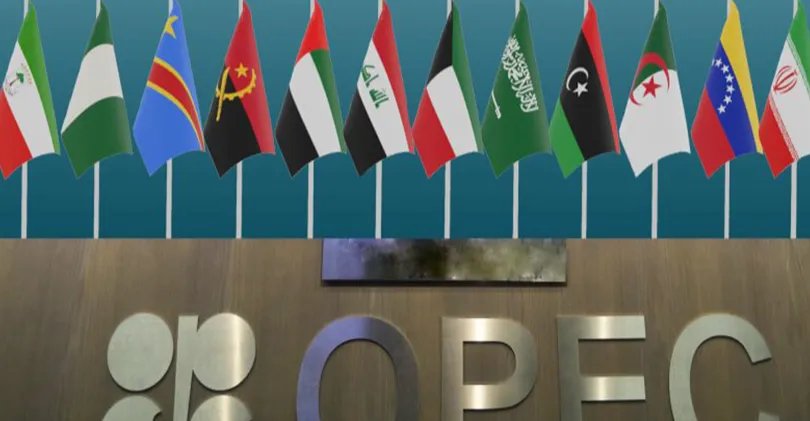 The Iraqi Oil Ministry hinted on Thursday at the possibility of withdrawing from OPEC if the production level allocated to Iraq is not increased in line with its production capabilities and future needs.
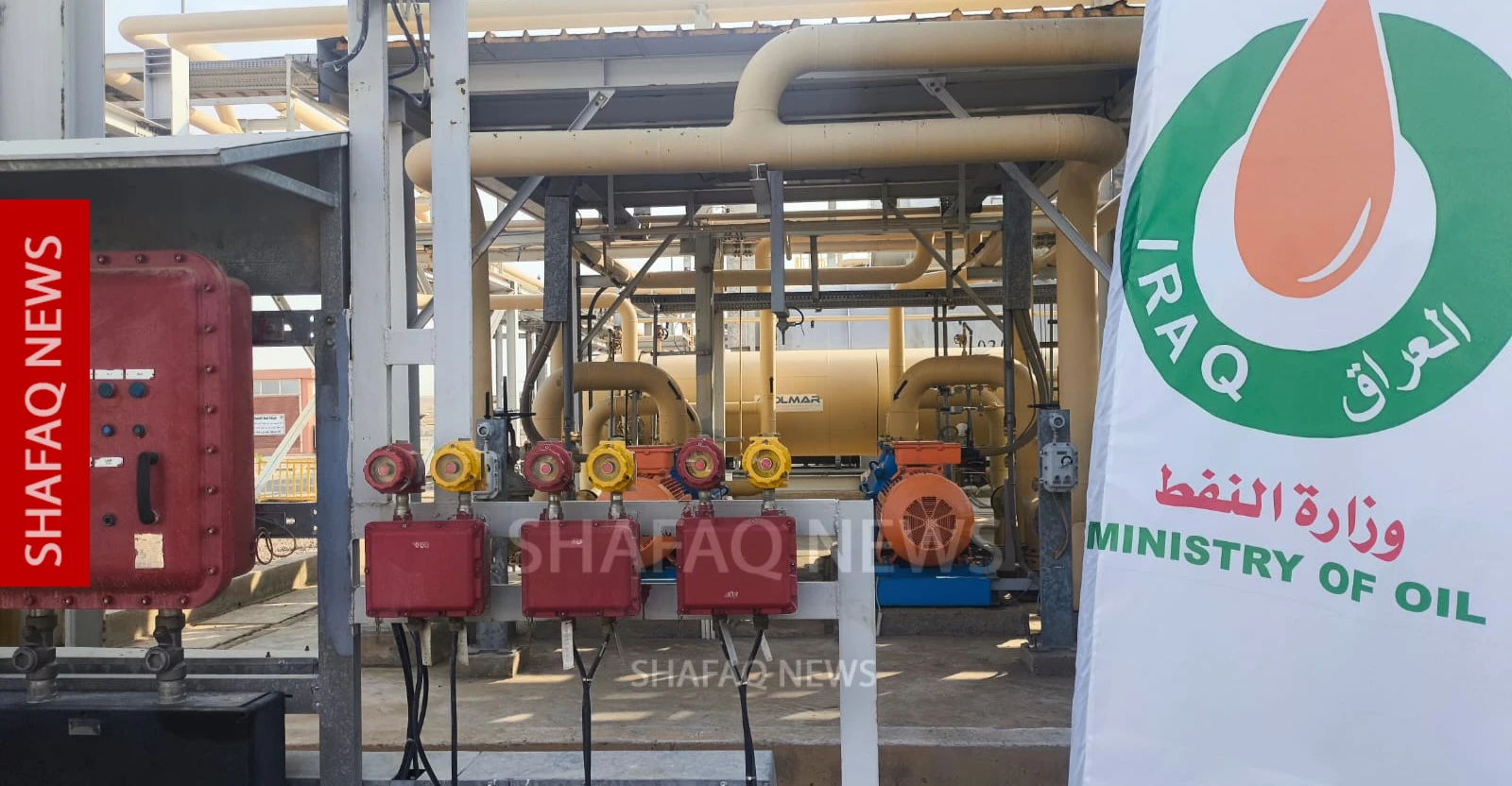 The Iraqi Oil Ministry confirmed on Thursday that what was raised regarding Iraq’s threat to end its membership in the “OPEC” organization does not reflect the official position of the Iraqi government, noting that the organization and its allied countries responded to Baghdad’s approach regarding reassessing production ceilings in line with the sustainable production capacities of member states.
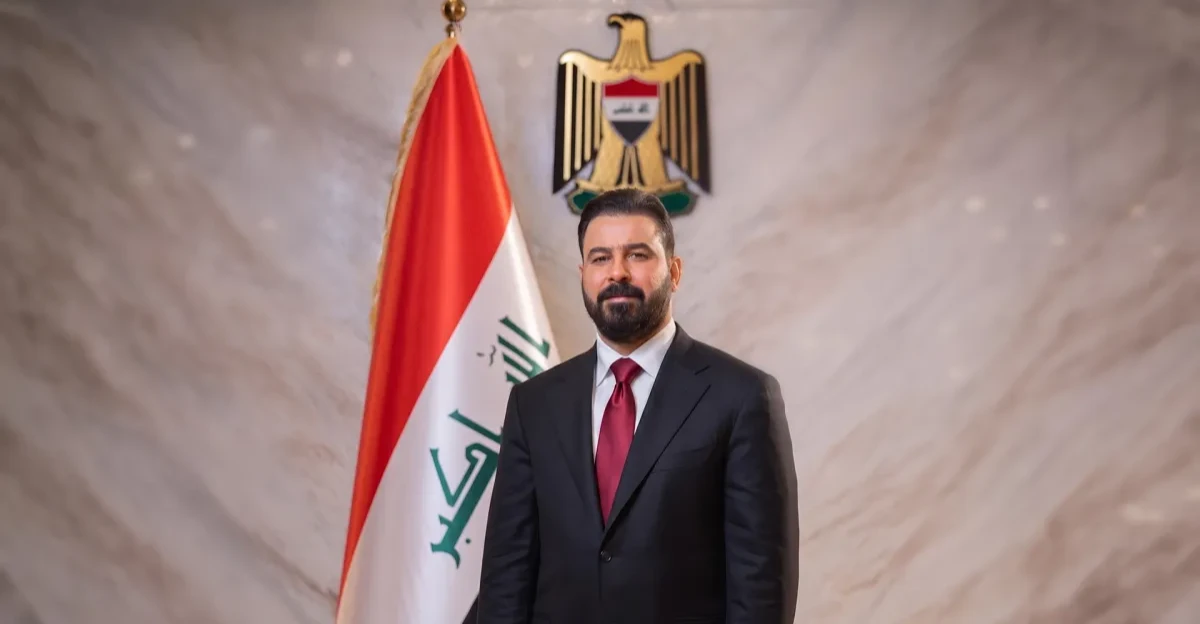 The coordination framework revealed today, Thursday, the truth about the trend towards creating two new ministries within the ministerial cabinet of Al-Zidi’s government in the next few days.
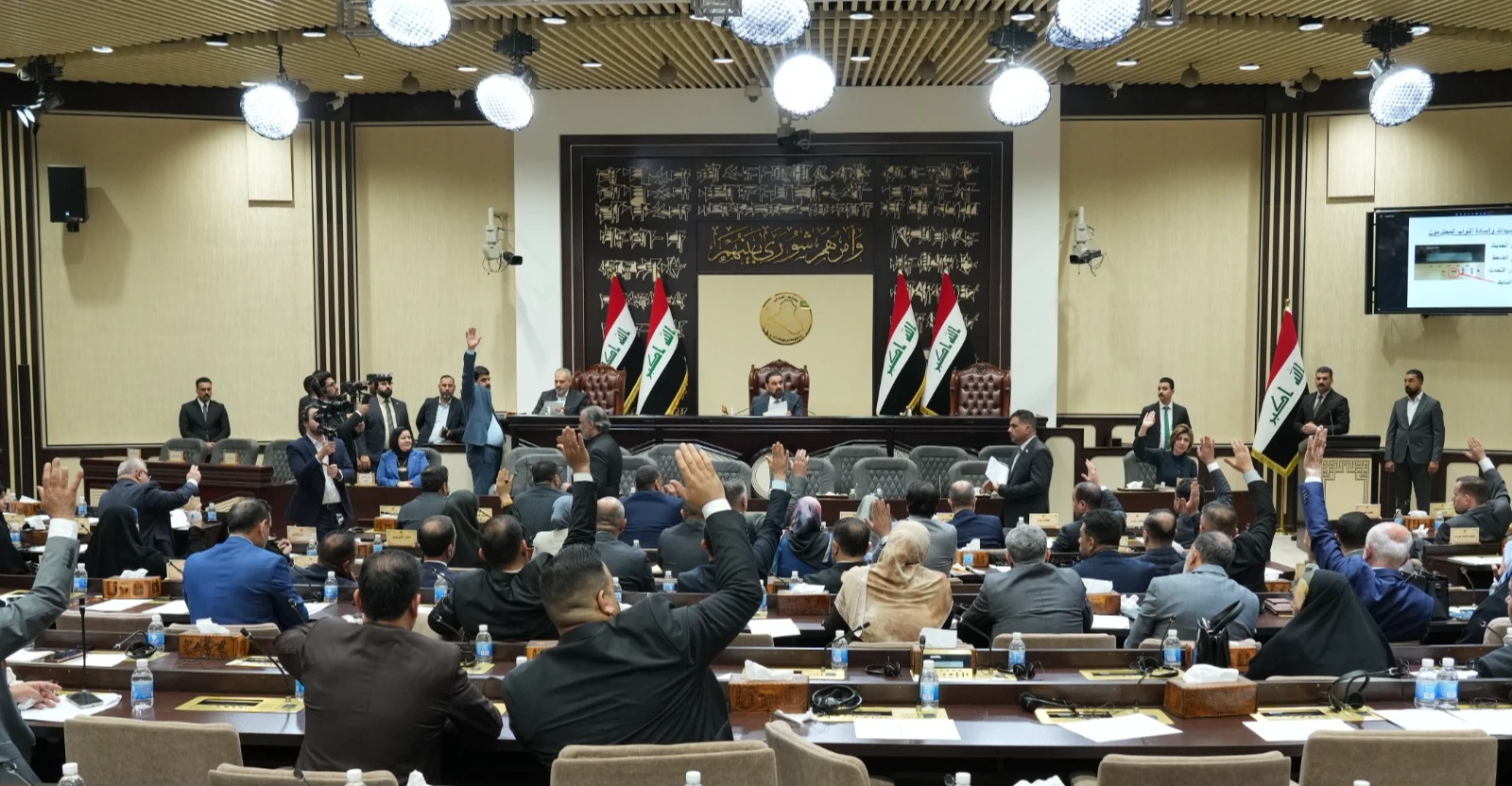 On Thursday, Hussein al-Daraji, a member of the parliamentary finance committee, ruled out the possibility of the Iraqi government being able to finalize the budget for the current year due to the delay in its formation, noting that the current trend is towards preparing next year’s budget.
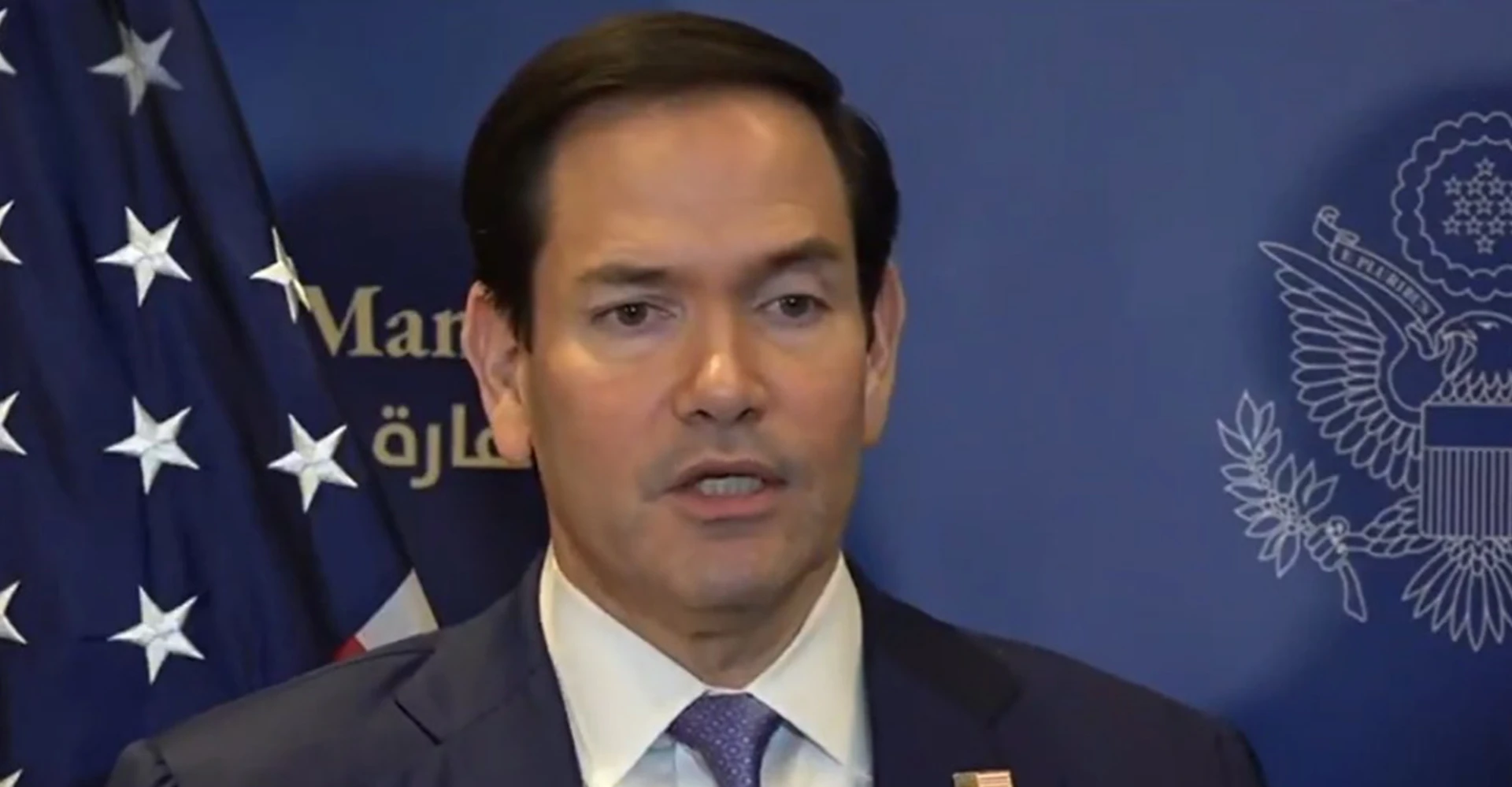 US Secretary of State Marco Rubio revealed on Thursday that Washington had received “good signals” from the Iraqi government headed by Ali Faleh al-Zaidi regarding the issue of armed factions, stressing that strengthening Iraq’s sovereignty would be the main focus of al-Zaidi’s upcoming visit to the US capital soon.
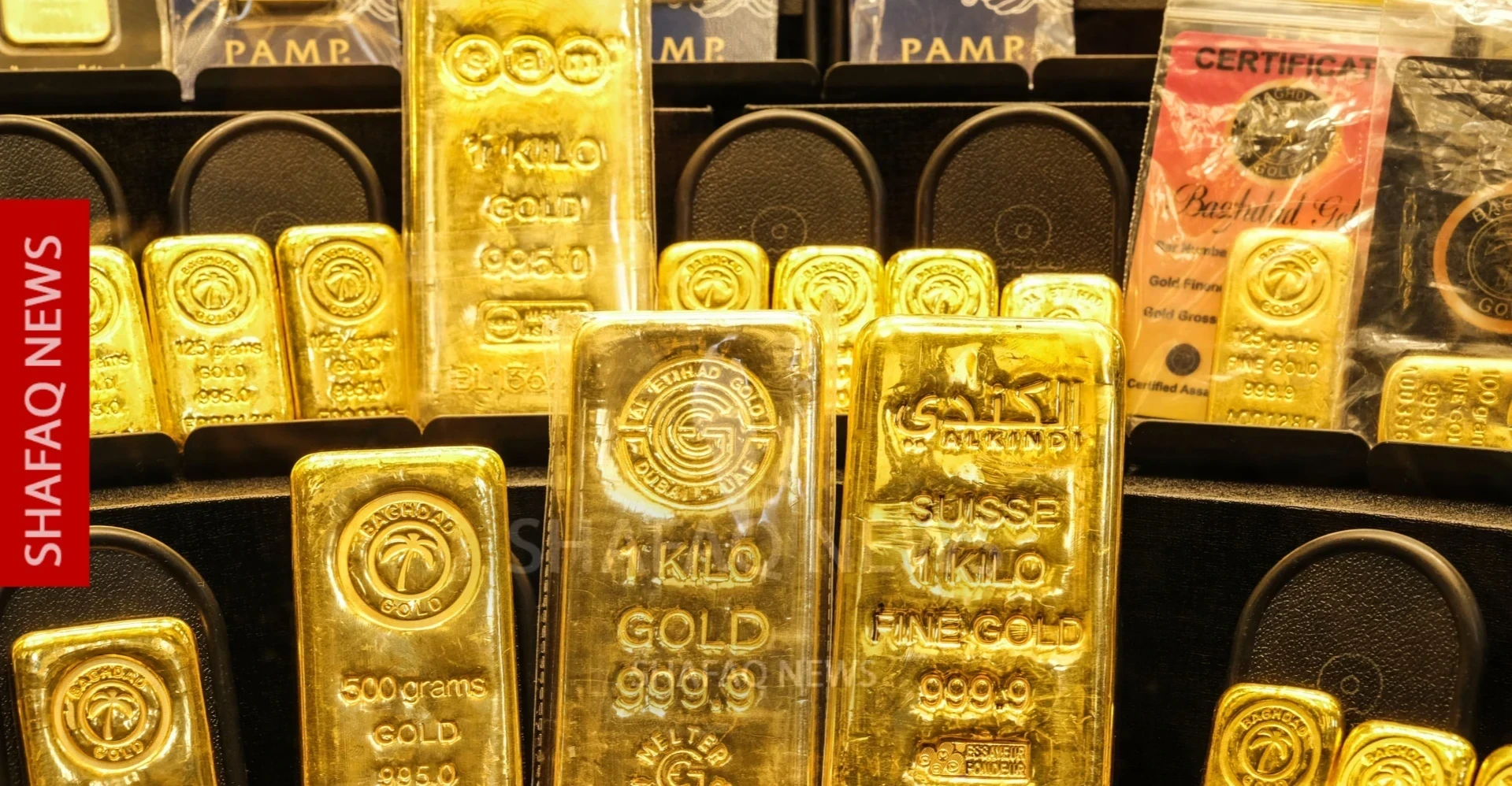 Gold recorded unprecedented losses on Wednesday afternoon, the lowest since November 2025, as the price of an ounce fell below $4,000, according to Reuters.