
Mandatory starting July 10th: Iraqi Customs activates electronic inquiry for commercial documents
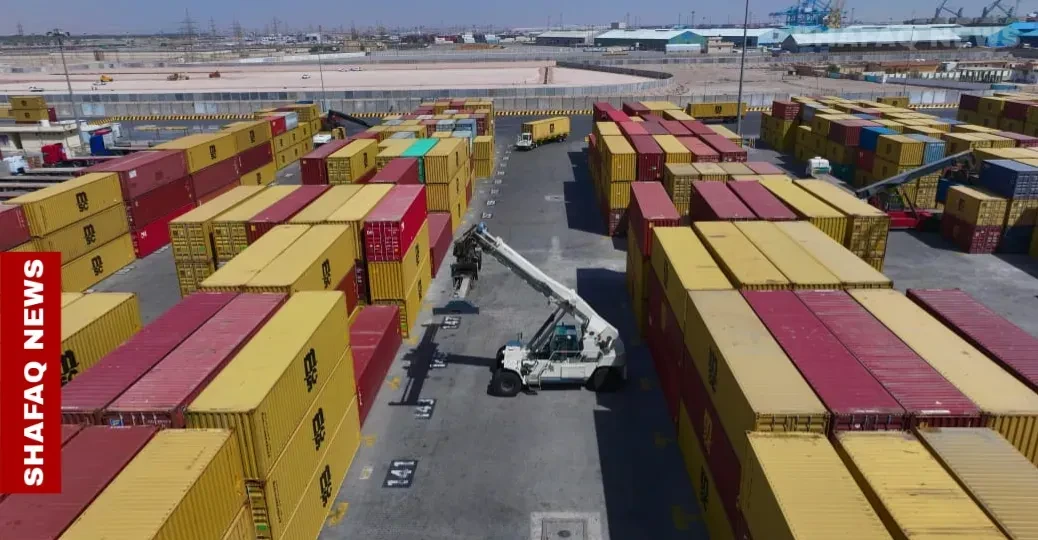 The Iraqi General Authority of Customs announced on Wednesday the activation of the electronic inquiry feature for certificates of origin and commercial invoices issued by the Federation of Iraqi Chambers of Commerce, through electronic linkage with the ASYCUDA system, in order to verify the validity of the issuance of these documents and their adoption within the customs procedures.
According to a statement issued by the authority and received by Shafaq News Agency, addressed to traders, importers, customs clearance agents and all stakeholders, the certificate of origin and commercial invoice are inquired about electronically when organizing the customs declaration by entering the document numbers in the designated fields within the system, which ensures the accuracy of the data provided and enhances customs audit and control procedures.
The authority explained that the service is currently being implemented on a trial basis, and that the application will be mandatory starting from July 10, 2026, as certificates of origin or commercial invoices will not be accepted unless they are verifiable electronically through the system.
The General Authority of Customs called on all stakeholders to expedite the completion of the procedures for registering their commercial documents properly with the Federation of Iraqi Chambers of Commerce and to ensure the accuracy of their data before submitting them for customs transactions, in order to ensure the smooth flow of work and to avoid any delays or obstacles after the start of mandatory implementation.
The Director of the Iraqi Customs Authority, Thamer Qasim Dawood, announced on April 8th that the Kurdistan Region team had joined the national team for the project to implement the Customs Automation System (ASYCUDA), in a move he considered to reflect the seriousness of the move towards building a unified customs administration at the level of Iraq.
It is worth noting that the Iraqi General Authority of Customs announced on March 3rd the adoption of temporary “exceptional” measures aimed at accelerating the flow of goods and reducing congestion periods in ports, thereby enhancing the stability of supply chains and supporting national economic activity, in light of the exceptional circumstances the region is generally going through.
Shafaq.com
 Economic expert Basil Al-Obaidi confirmed today, Thursday, that insisting on preparing and approving the general budget at this time is “a form of absurdity” and has no benefit whatsoever, at a time when the country’s financial affairs are being managed by “patchwork” and borrowing from banks.
 Source for Al-Furat News – Nizar Nasser appointed as Governor of the Central BankAn informed source revealed today, Thursday, that Nizar Nasser has been assigned the position of Governor of the Central Bank of Iraq.
 Imran Karkoush, a member of the State of Law Coalition, stressed the need to resolve the issue of the ministerial cabinet and to form a fully constituted government, pointing to the importance of holding an emergency parliamentary session in response to the call of the Coordination Framework in order to resolve the remaining ministerial portfolios.
 The Iraqi political scene is witnessing rapid activity to resolve one of the most prominent outstanding issues in the government formation process: completing Prime Minister Ali al-Zubaidi’s cabinet. This comes amid growing indications that political forces are nearing final agreements on the remaining ministerial posts.
 Prime Minister Ali al-Zaidi appointed Basim al-Badri as head of the intelligence service on Thursday, replacing al-Basri. An informed source stated that “al-Zaidi appointed Basim al-Badri to head the National Security Service, succeeding al-Basri.” The source
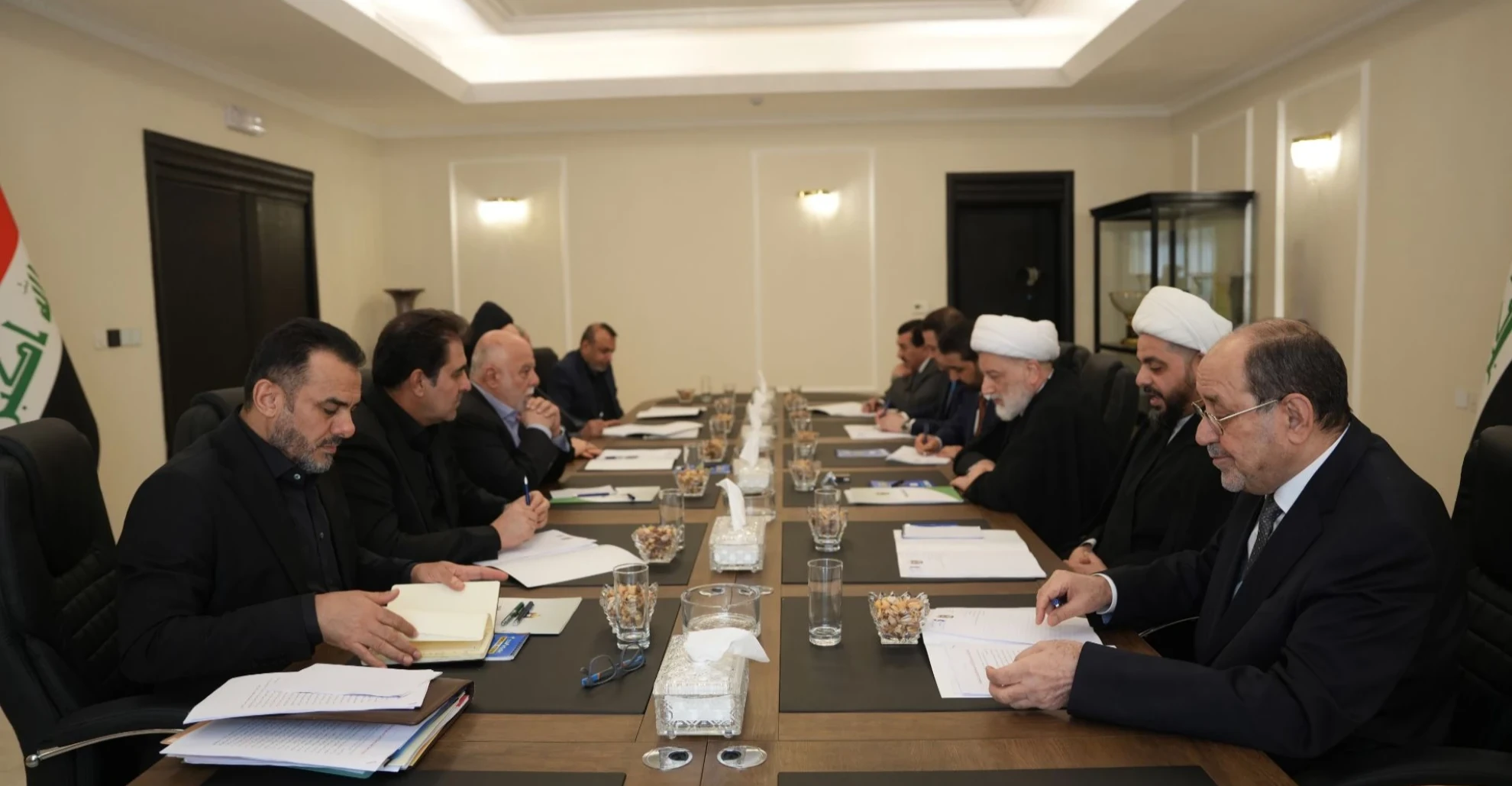 The coordinating framework that brings together the ruling Shiite political forces in Iraq discussed on Wednesday evening the recent visit of US envoy Tom Barrack to the capital Baghdad, and the completion of the government cabinet of Ali al-Zaidi.
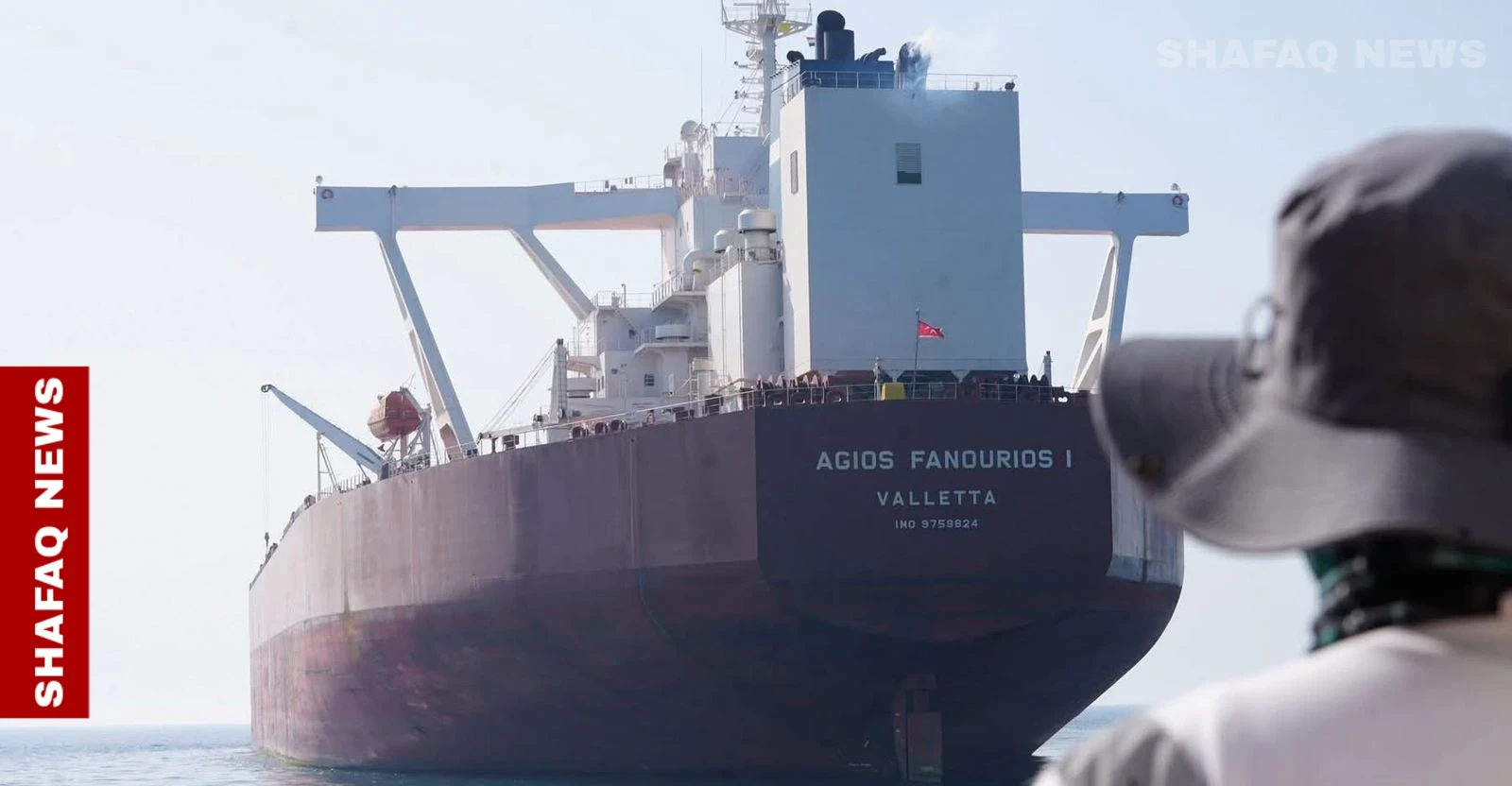 An official source at the General Company for Iraqi Ports reported on Thursday that technical procedures have begun to unload a giant oil tanker carrying a large shipment of imported gasoline fuel for the account of the Iraqi Oil Marketing Company (SOMO), at the docks of Khor Al-Zubair port in Basra Governorate.
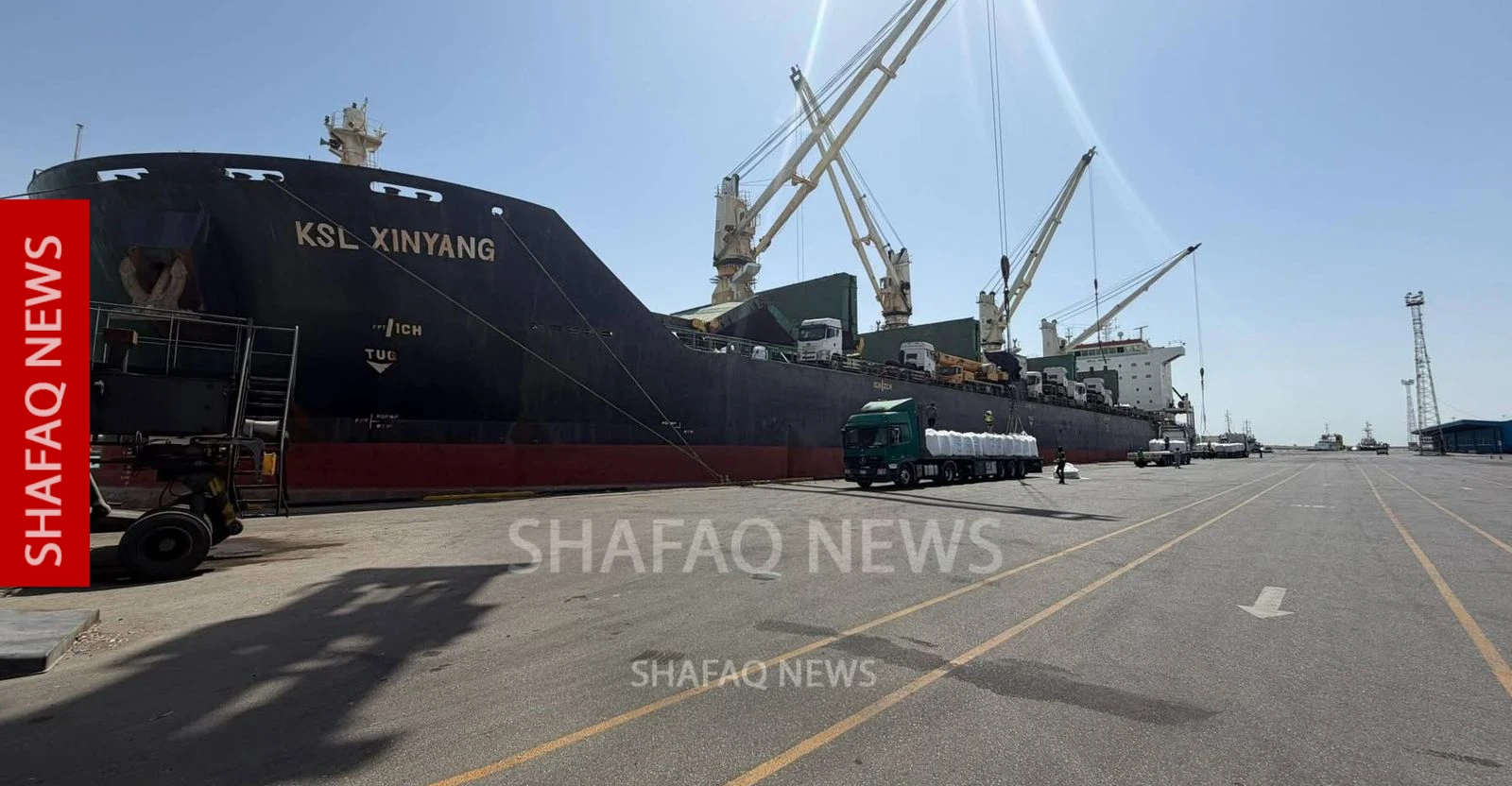 Iran is moving towards strengthening the use of Iraq as an alternative trade route, after some traditional shipping routes through the UAE faltered and gas supplies to the Iraqi market declined, which was reflected in the volume of trade exchange between the two countries during the recent period.
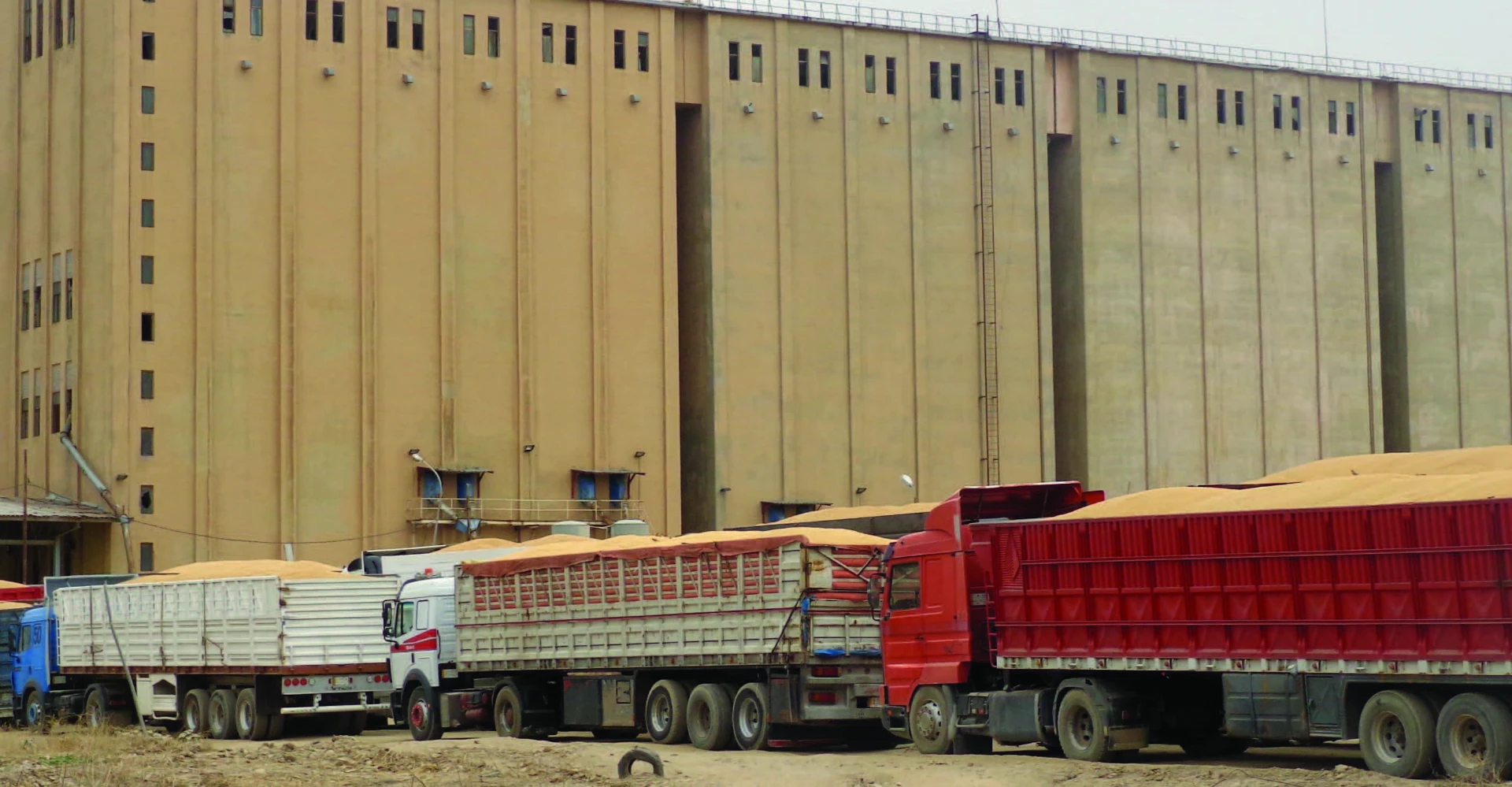 The director of the Kirkuk silo, affiliated with the Ministry of Trade, announced on Thursday that the marketed quantities of wheat crop have reached about 250,000 tons, while confirming that the dues of farmers and marketers for the past season, amounting to 70 billion dinars, have reached the relevant banks and the procedures for distributing them have begun.