
September deadline looms over Iraq… Final warning to factions: Washington will act
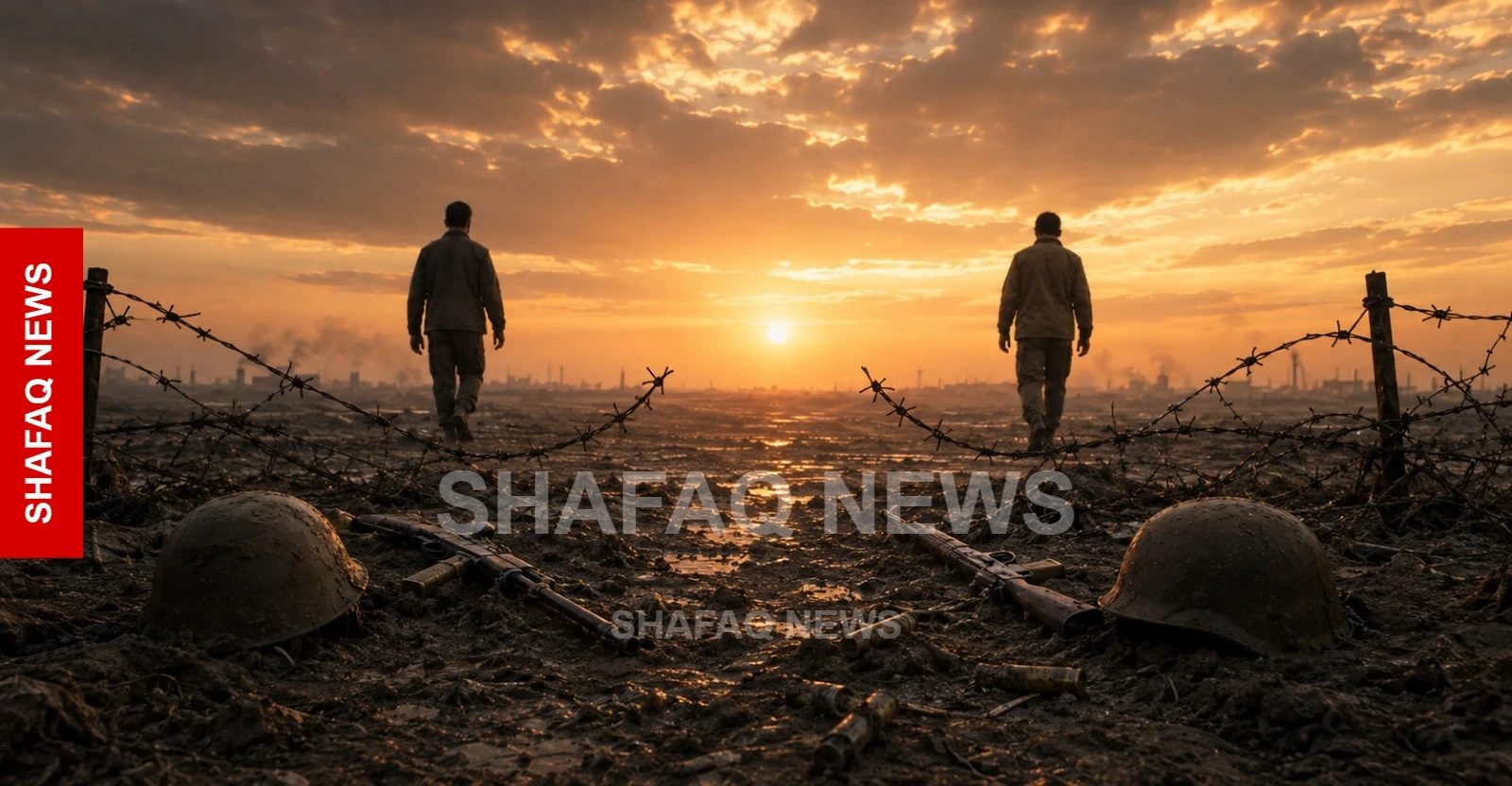 Two deadlines loom for Iraq at the end of September: the end of the decades-long US military presence and the disarmament of pro-Iranian factions, according to a report by the Associated Press. Dailynews subscription
According to a report by the US agency, translated by Shafaq News Agency, hundreds of remaining soldiers in the Kurdistan Region of Iraq will leave by the deadline set for September 30, citing US officials.
The report explained that the Iraqi government “linked the American withdrawal to an ultimatum to the armed factions to lay down their weapons,” but most of these factions indicated that they do not intend to do so, and this leaves big questions about what Iraq will look like the day after.
As the war between the United States and Iran intensifies, the report ruled out the possibility that Tehran would relinquish the leverage it holds in neighboring Iraq.
According to the report, US officials are concerned about the ability of Iraqi factions to launch attacks against other targets in the region, including Saudi Arabia, Jordan and Israel, as well as the presence of Houthi forces in Iraq, according to the official.
No disarmament
Iraqi government officials have differing views on whether September 30 represents a binding deadline for disarming the factions, or merely a date to begin negotiations.
“There will be no disarmament of any group by September 30,” Iraqi analyst Sajjad Jiyad said during a session held by the Atlantic Council last week, adding, “I think this is probably obvious to anyone who follows Iraqi politics.”
While a handful of less influential factions agreed to hand over their weapons, the most powerful and closest groups to Iran – Kataib Hezbollah, Harakat al-Nujaba, and Kataib Sayyid al-Shuhada – rejected the idea of disarmament or set conditions for giving it up that the government realizes it will not be able to meet in the near future.
These conditions include placing the Kurdish Peshmerga forces in the Kurdistan Region of Iraq under the control of the government, and expelling the Iranian Kurdish opposition groups and the Kurdistan Workers’ Party, which have bases in the region.
As reported by the Associated Press, an official from one of the Iranian-backed Iraqi factions said: “After these standards are set, the discussions will focus on regulating weapons, not handing them over,” adding: “There is absolutely no decision among the factions to hand over weapons, and we have not handed over any weapons.”
Meanwhile, a government official stated that the government’s strategy is currently focused on placing armed factions under the control of the Iraqi army.
Many factions are already part of the Popular Mobilization Forces, an alliance of armed groups that have officially become part of the Iraqi armed forces, although the factions within it often act independently, according to the US report.
The official explained that the government wants the armed factions to hand over “effective weapons,” including missiles and long-range aircraft, to the central command of the Popular Mobilization Forces, and for the factions to be dissolved individually and placed under the command of the Popular Mobilization Forces and the Iraqi army.
The day after September 30
While the withdrawal of US forces would remove one target from the Kurdistan Region, it may not stop the attacks.
Mohammed A. Saleh, a nonresident senior fellow at the Foreign Policy Research Institute and an expert on Kurdish and Iraqi affairs, noted that Iran and its affiliated groups “targeted other locations in the Kurdistan Region that have no connection to the presence of US forces.” Iraqeconomic analysis
These sites include the bases of Iranian Kurdish opposition groups in exile, oil and energy facilities, and even the office of Kurdistan Regional Government Prime Minister Masrour Barzani.
Saleh said that “withdrawal will make the Kurdistan Region more exposed and an easier target.”
Regional government officials declined to comment, but Barzani has publicly expressed concern that removing the US air defense systems would make the region more vulnerable.
Shafaq.com