
Trump rolls out the “red carpet” for al-Zaidi, his eye on the factions’ weapons.
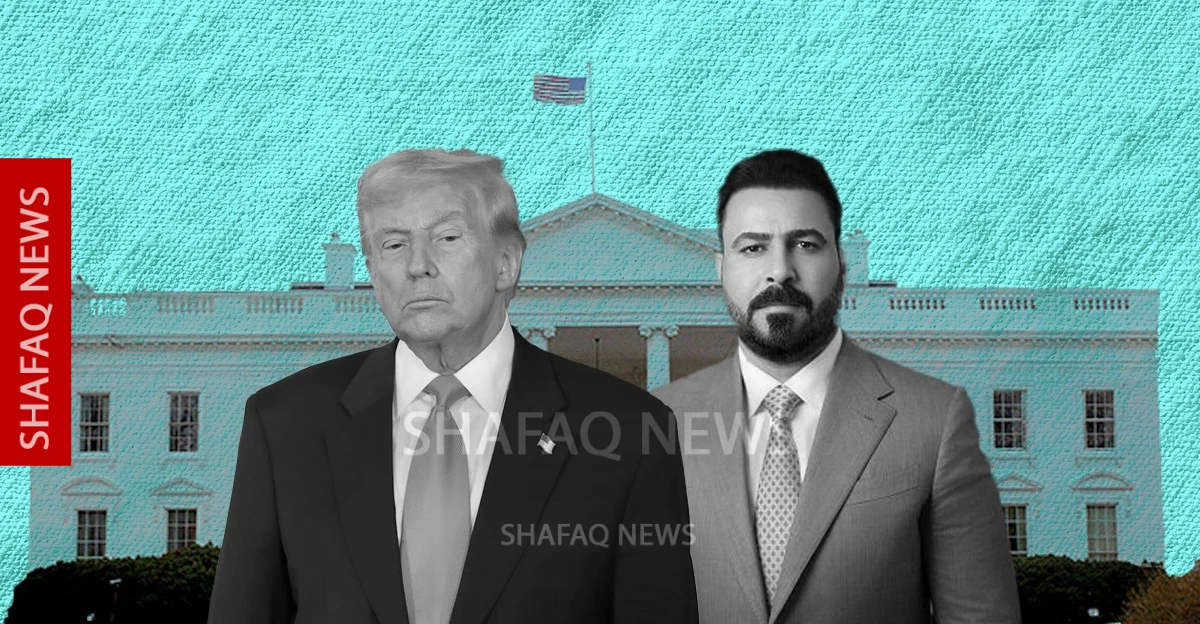 Iraqi Prime Minister Ali al-Zubaidi will receive a remarkable welcome on his first official visit to Washington, amid expectations that his talks with US President Donald Trump will constitute a real test of thorny issues, foremost among them the disarmament of Iranian-backed armed factions, an issue that could put the Iraqi government before complex internal challenges. MiddleEast news
According to a report by the Associated Press , translated by Shafaq News Agency, Trump welcomed al-Zaidi, whom he described as a “novice politician,” after supporting him during his selection process for the premiership last April, considering his assumption of the position as “the beginning of a tremendous new chapter between the two countries.”
The report added that Trump’s interest in the Iraqi leadership issue predated the formation of the government, recalling his announcement of opposition to the nomination of former Prime Minister Nouri al-Maliki, and his threat to cut off American aid to Iraq if he took office.
The report suggested that Iranian influence and the future of armed factions would occupy a large part of the White House discussions, in light of increasing American pressure on Baghdad to proceed with the plan to restrict weapons to the state.
He pointed out that a number of Iranian-backed factions carried out attacks targeting American bases and diplomatic headquarters following the American-Israeli war against Iran, while the Iraqi government gave those factions a deadline until the end of September to hand over their weapons, despite some of the main factions announcing their refusal to comply with that.
The agency quoted a Trump administration official as saying, ahead of the Oval Office meeting, that the United States would make its decisions regarding Iraq based on the “actual results” achieved by Baghdad in the disarmament of factions.
The agency quoted Renad Mansour, a researcher at Chatham House, as saying that he expects Washington to exert “significant pressure” on al-Zaidi to push him towards more decisive steps regarding the factions.
Mansour added that al-Zaidi might respond that his government needs American intelligence, military and technical support to accomplish this task, warning that any direct confrontation with armed groups could push them to target the government itself, a scenario that Baghdad fears slipping into.
According to an Associated Press report, al-Zaidi enjoys Trump’s support despite having previously headed the South Islamic Bank, which was among a group of banks that the Central Bank of Iraq banned in 2024 from dealing in dollars, as part of measures taken in coordination with the United States to combat money laundering and limit the transfer of funds to Iran.
The report also addressed the anti-corruption campaign launched by the Al-Zaidi government, considering it to be one of the most prominent issues that the Prime Minister seeks to highlight during his visit to Washington.
He pointed out that the Iraqi delegation accompanying the Prime Minister includes, in addition to ministers and government officials, a number of businessmen, indicating that the visit is not limited to security matters.
The report concluded that the Iraqi government announced that the visit aims to strengthen economic and development partnerships, attract American investments, and expand the participation of American companies in infrastructure and energy projects, reflecting Baghdad’s orientation towards building a broader relationship with Washington that goes beyond traditional security cooperation.
Shafaq.com