
Saleh: The 2027 budget will be ready on schedule in October.
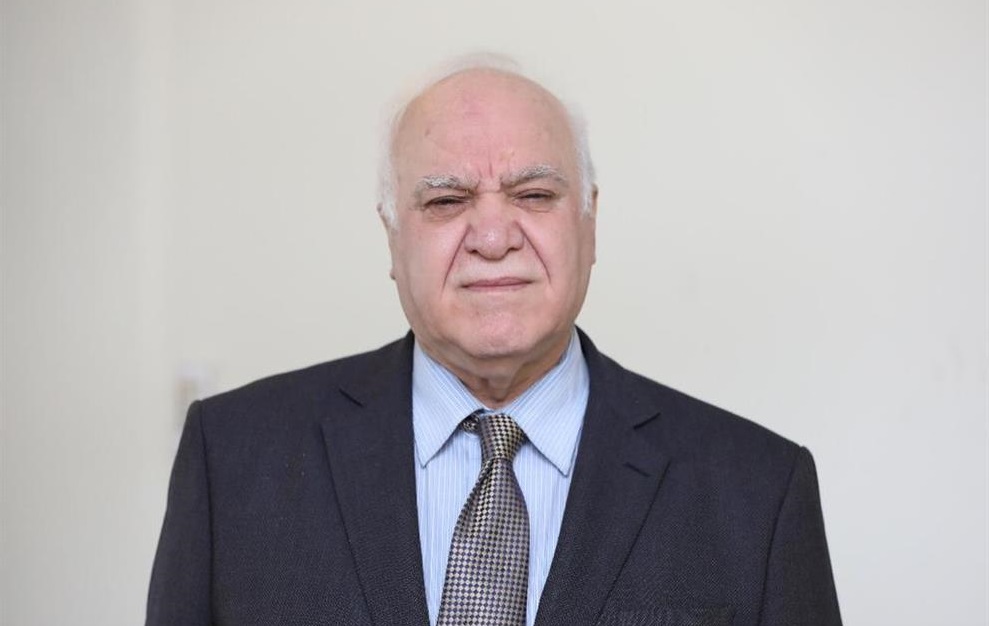 The Prime Minister’s financial advisor, Mazhar Muhammad Salih, revealed that the government will begin preparing the draft federal budget law for 2027 during the month of July, in accordance with the provisions of the Financial Management Law, indicating that “the upcoming budget will differ from its predecessors by adopting an economic vision aimed at stimulating investment, empowering the private sector, and establishing sovereign funds to support infrastructure projects, while continuing to address internal debt and reduce financial waste.” Politicaleconomy blog
On the other hand, Saleh stressed that combating corruption and recovering related funds are a fundamental pillar for enhancing the efficiency of the national economy, reducing investment costs, and supporting the path of sustainable development.
General budget
Saleh told Al-Sabah: “The amended Financial Management Law No. (6) of 2019 requires the Ministry of Finance to begin preparing the draft budget during the month of July, with the draft to be completed in the month of September, and then presented to the Council of Ministers for discussion and approval before being referred to the House of Representatives during the month of October for the purpose of discussion and legislation.”
He added that “the 2026 budget was affected by the economic conditions and challenges that accompanied the developments in the Strait of Hormuz,” explaining that “the deficit is measured by the size of the internal debt, which exceeded 100 trillion dinars, but the government has a clear financial policy to address this issue through reform measures that contribute to strengthening the resource economy and diversifying sources of revenue.”
Saleh pointed out that “Iraq is still facing the effects of accumulated financial waste since 2003,” stressing that “the state is moving towards tightening control over public funds and not allowing the waste of any financial resource in order to enhance financial stability and preserve national wealth.”
He explained that “the 2027 budget will be distinctive because it is consistent with the government’s economic vision, as it will give more space for private sector participation and includes the establishment of sovereign funds dedicated to financing infrastructure projects in a way that supports sustainable development and enhances economic growth during the next stage.”
Combating corruption
Regarding combating corruption and recovering related funds, Saleh stressed that they represent a fundamental pillar for enhancing the efficiency of the national economy, reducing investment costs, and supporting the path of sustainable development, noting that eliminating manifestations of corruption will positively affect the financial and economic performance of the state.
The Prime Minister’s financial advisor stated that “it is difficult to accurately determine the true extent of funds linked to corruption. However, estimates from governance circles within the international business environment point to what is known as ‘Iraq’s cost’ on projects and investments, which in some cases may reach approximately 45% of the implementation cost, due to multiple factors, most notably extortion and bribery, and the resulting decrease in efficiency.”
Administrative procedures.
He explained that “the success of the government’s anti-corruption program will gradually contribute to reducing this unproductive cost, bringing the cost of investment closer to its fair levels based on efficiency and integrity, which will enhance the attractiveness of local and foreign investment and reduce the cost of implementing economic and social development projects.”
He added that “activating the role of oversight and auditing bodies, especially in the planning, implementation and investment spending stages, represents a fundamental pillar for reducing financial waste and establishing standards of transparency and good governance, which supports the path of sustainable development in the country with the lowest costs and the highest returns and benefits for the national economy.”
Saleh pointed out that “some circles estimate the amount of money related to corruption at about $300 billion, distributed between real estate, financial and cash funds inside and outside Iraq,” indicating that “recovering these funds is an important factor in alleviating the current financial burdens.”
He explained that “combating corruption is not limited to recovering funds, but also contributes to improving overall economic performance by reducing costs and increasing the efficiency of implementing economic activities within an environment free from corruption factors, which will positively impact reducing the deficit and public debt directly and indirectly, by enhancing the efficiency of the financial and economic performance of public budgets and the country’s resources in the future.”
Alsabaah.iq