
British report details al-Zaidi’s “impossible mission”
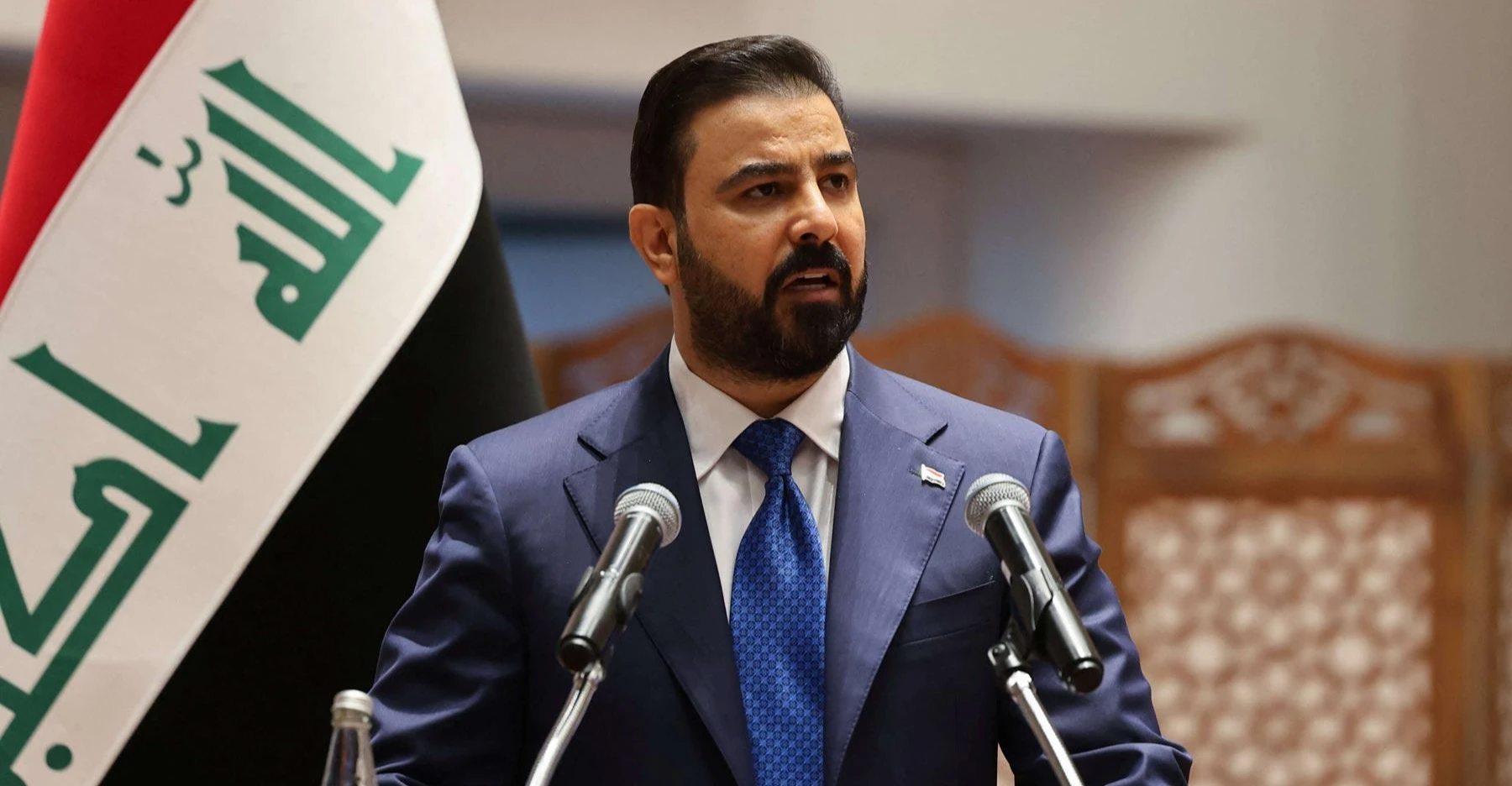 The rise of Ali al-Zaidi to the premiership in Iraq reflects more than just a routine transfer of power; it represents a profound shift in the political landscape. However, his success depends not only on his reform agenda, but also, according to the London-based Middle East Online website, on whether the fragmented political forces and their external supporters are willing to accept the new balance of power.
Under the headline “Al-Zaidi faces an impossible balancing act as Iraq’s power structure shifts,” Middle East Online reported in English, as translated by Shafaq News Agency, that the old balance between Iranian-backed factions, traditional Shiite alliances, and American influence appears to be constantly unstable, noting that Al-Zaidi is entering office without the strong political support that previous prime ministers usually enjoyed from factions linked to Iran.
According to the report, the session to grant confidence to al-Zidi revealed wide cracks within the coordinating framework that represents the Shiite parties that have dominated politics in recent years, pointing to disputes over ministerial portfolios, political influence and the collapse of aspects of existing understandings. It added that this turmoil revealed something deeper than the struggle over government seats, and highlighted the weakness of the unified Shiite consensus that traditionally shaped the formation of the government in Iraq after 2003.
The report continued that instead of the strong political support that previous prime ministers usually enjoyed from forces linked to Iran, al-Zaidi inherits a divided political environment that raises doubts about old formulas for power-sharing and challenges the dominance of entrenched political elites.
However, the report noted that the cracks within the Shiite political establishment are accompanied by broader regional shifts resulting from the American-Israeli war against Iran, adding that although Tehran’s influence within Iraq remains significant, many analysts believe that the conflict has weakened Iran’s regional influence and reduced the room for maneuver available to its Iraqi allies.
After the report noted Washington’s objection to Nouri al-Maliki’s nomination and the direct American pressure, then the Coordination Framework’s abandonment of his nomination, and the proposal of al-Zidi, who has no previous political experience, the report said that his personal profile helped him to appear as an acceptable compromise solution, as he does not have a long history of militia affiliations or ideological bias towards Tehran, and his background in finance and business allows him to present himself as a technocratic reformer who focuses on economic recovery rather than factional politics.
However, the report considered that al-Zaydi’s “relative neutrality” could also be his “weak point,” since without a strong faction behind him, there is a risk that he will become vulnerable to pressure from competing blocs, armed forces, and external actors vying for influence over the state.
Although the report referred to the “ambitious reform program” put forward by al-Zaydi, it said that translating these promises into reality would be difficult in a country where political paralysis, corruption networks, and militia influence remain deeply entrenched.
According to the report, the most sensitive issue facing the new government is likely to be the issue of weapons outside state control. It noted that al-Zaidi pledged to strengthen the state’s monopoly on weapons and reform the security apparatus, echoing the growing American demands to curb the influence of Iranian-backed armed groups, which are accused of launching hundreds of attacks on American facilities in Iraq and the region, to which Washington responded with strikes against armed groups, exacerbating tensions within Iraq.
The report continued that this issue revealed deep divisions among political forces, as while some factions indicated their willingness to accept the idea of integrating fighters into official state structures, other factions rejected any discussion about disarmament in light of what they describe as American coercion.
In addition, the report addressed the increasing pressures facing Iraq, including due to the disruptions in the Strait of Hormuz, which are affecting the state budget.
The report noted that, according to analysts, al-Zaydi may seek to weaken militia networks through economic measures, including restricting state-funded salaries for thousands of fighters, but any such move would raise significant political and security risks.
On the regional level, the report says that al-Zaidi’s government must work to repair strained relations with the Gulf states, which are angry about attacks carried out by Iranian-linked factions during the war.
Middle East Online concluded that al-Zaidi’s repeated emphasis on building a “balanced country, regionally and internationally” reflects the difficult balancing act currently facing Baghdad, adding that Iraq remains caught between two competing powers, Iran and the United States, while its internal political system is becoming increasingly divided. It added that the old post-2003 political system, based on relatively stable alliances and strong factional discipline, appears to be weakening under the weight of regional conflict, economic crisis, and internal division.
The report concluded by saying that al-Zaydi currently represents a consensus candidate trying to navigate a dangerous transitional phase, but his success may depend not only on his reform agenda, but also on whether the fragmented Iraqi political forces, and their supporters abroad, are willing to accept the new balance of power.
Shafaq.com