
Government advisor: Iraq’s natural resources are estimated at $16 trillion
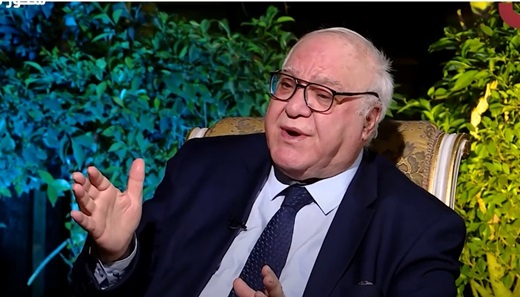 The financial advisor to the Prime Minister, Mazhar Muhammad Saleh, stressed the importance of activating sovereign wealth funds as a strategic tool to revive and diversify the national economy, in conjunction with Iraq’s continued reliance on oil revenues as a primary source of funding for the general budget, and in light of the ongoing fluctuations in oil prices and the financial challenges facing the country.
Saleh said in a press statement followed by Al-Furat News that the government program that was recently approved by the House of Representatives indicated the importance of sovereign wealth funds and working to establish a generation fund by investing available unexploited national assets, indicating that estimates indicate that the next stage will be an appropriate opportunity to launch or expand the work of sovereign wealth and investment funds, benefiting from the reinvestment of natural resources that Iraq abounds in, as it is one of the richest countries in the world in natural resources and occupies the ninth international ranking in natural resources, whose current market value is estimated at more than 16 trillion US dollars, which allows for the conversion of the returns on investing these resources into financial surpluses and sustainable revenues during the coming years, within the strong economic policy adopted by the current government.
He added that the sovereign wealth fund is not just a “savings account,” but rather an investment institution that aims to invest a portion of the state’s revenues in productive projects, both domestic and foreign, that generate long-term returns and provide protection for the national economy from future crises and global financial fluctuations. He pointed out that the Iraqi economy still depends almost entirely on oil, and oil revenues constitute the largest share of the general budget, making the country vulnerable to any sharp decline in global prices or geopolitical crises affecting the energy market.
He pointed to the growing importance of sovereign wealth funds in financing vital sectors such as industry, agriculture, renewable energy, infrastructure, transportation and logistics, in addition to technology and communications, as well as supporting the private sector and creating new job opportunities, especially with the growing youth workforce within what is known as the “demographic dividend,” where young people are expected to constitute about 60% of Iraq’s population in the next few years.
He added that the experiences of the Gulf countries, especially Saudi Arabia and the UAE, as well as Norway, can be cited, which, through their sovereign wealth funds, have been able to transform oil surpluses into huge global investments that generate sustainable profits for future generations. He pointed out that Gulf investment funds are among the most prominent regional models that have expanded their investments within their countries and abroad, and have contributed to supporting economic diversification plans and reducing dependence on oil.
Saleh explained that Iraq has moved in recent years to establish the beginnings of development and investment funds aimed at attracting foreign capital and stimulating major projects, in an attempt to create a more stable economic environment. The government has also adopted a policy of providing sovereign guarantees to support private sector projects and investment, a step that may pave the way for expanding the role of investment funds in the future.
He stressed that the success of any sovereign wealth fund in Iraq remains contingent on the existence of an independent management with the highest levels of governance and transparency, because the absence of sound oversight may turn these funds into tools for short-term government spending, instead of being investment institutions that achieve long-term strategic returns.
He explained that improving the investment environment, banking reform, and developing economic legislation are key factors to ensure the success of the Iraqi experience, especially in light of the move towards establishing the “Generations Fund” which was included in the government program and was recently approved by the House of Representatives, in addition to the local market’s need for productive projects capable of driving the economy and reducing dependence on imports.
Saleh concluded by noting that, in light of global economic shifts and the challenges related to energy markets and trade routes, Iraq has a real opportunity to transform its future oil surpluses into a sustainable economic base if they are invested according to a long-term vision focused on development and production. He stressed that the country’s success in building a sovereign wealth fund that is transparent and independent could constitute a pivotal turning point in the Iraqi economy, and open the door to a new phase based on diversifying sources of income and enhancing financial stability for future generations.
Alforatnews.iq