
As confirmed by Shafaq News, Iraqi oil announces the start of overland exports via Syria.
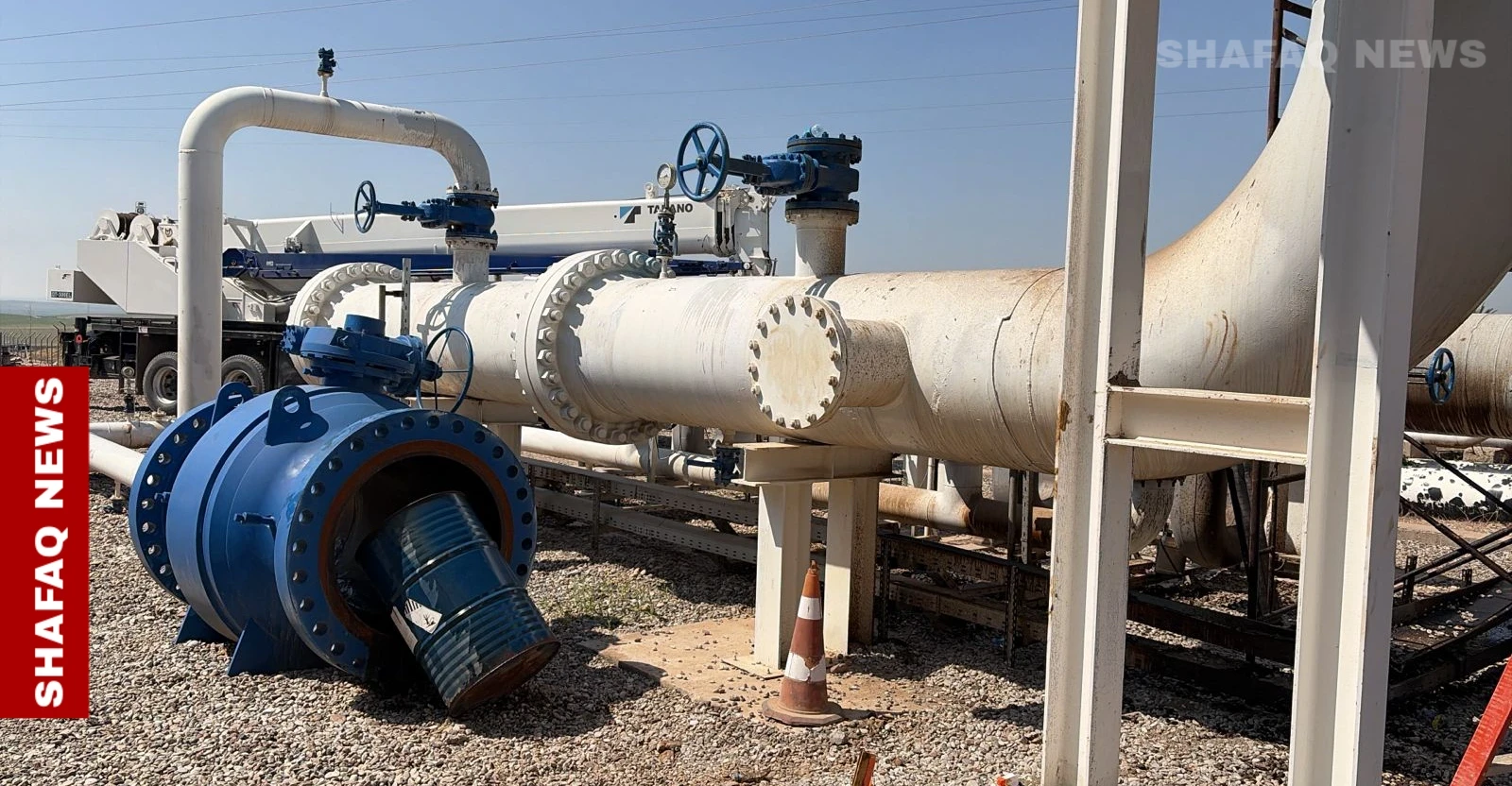 The Iraqi Ministry of Oil confirmed on Wednesday evening that it has begun exporting crude oil by tanker to the Syrian side in preparation for delivering it to export outlets in support of the country’s economy, after the disruption of maritime exports through the Strait of Hormuz.
The ministry stated in a statement received by Shafaq News Agency that “in order to support the national economy and provide financial revenues for the state treasury, the Ministry of Oil has begun exporting black oil by tankers through neighboring Syria.”
The ministry noted “cooperation with the Syrian side, which will ensure the arrival of quantities in Syrian territory to export outlets,” stressing that “export operations will be progressively increasing to boost exported quantities in support of the country’s economy.”
The statement concluded by saying that “the Ministry of Oil had previously resumed exporting crude oil via the Turkish port of Ceyhan.”
For its part, the Syrian Petroleum Company announced on Wednesday evening the arrival of the first batches of Iraqi fuel oil to the tanks of the Banias refinery, coming from the Al-Tanf crossing, where the technical teams began the unloading operations according to the approved operational readiness.
The company explained in a statement received by Shafaq News Agency that this step comes within an integrated supply plan in preparation for preparing the shipments and reloading them onto dedicated sea carriers to transport them to their final export destination, reflecting the efficiency of the infrastructure and the ability of national cadres to manage operations with high efficiency.
The Syrian Petroleum Company announced to Shafaq News Agency on Wednesday the arrival of the first convoy of Iraqi fuel oil (fuel) through the Al-Tanf crossing towards the Banias oil terminal, in a move that it said represents the beginning of a new phase of transit operations.
According to Reuters, the Iraqi oil marketing company SOMO has signed contracts to supply about 650,000 metric tons of fuel oil per month during the period from April to June, with the quantities to be transported overland through Syrian territory.
For his part, the director of the Iraqi Al-Walid district, Mujahid Mardhi Al-Dulaimi, said that more than 150 tankers are currently waiting to enter Syrian territory, expecting that the rate of tanker entry will reach about 500 tankers per day.
Earlier, oil expert and former spokesman for the Ministry of Oil, Assem Jihad, confirmed to Shafaq News Agency that what is being transported through Syrian territory is black oil and not Iraqi crude oil, noting that exporting in this manner is a temporary, forced option and the quantities are limited, and that transport by tankers is expensive compared to pipelines.
He added that SOMO had signed a contract to transport 650,000 metric tons per month during the months of April, May and June, equivalent to about 4.85 million barrels per month.
Crude oil is oil extracted directly from the fields before refining, while black oil is a heavy product resulting from refining operations and is often used as an industrial fuel. It has a lower value and higher transportation costs compared to crude oil.
Iraq announced on Tuesday the start of Iraqi oil exports by land through the Al-Walid border crossing with Syria, with the passage of 101 oil tankers heading to the port of Banias, with a total capacity of about 3.2 million liters of crude oil.
The move comes amid regional tensions and disruptions to maritime exports through the Strait of Hormuz, prompting the adoption of land exports as a limited alternative to ensure the continued flow of crude oil.
Shafaq.com
 The US embassy in Baghdad warned on Thursday of the possibility of attacks by “Iranian-backed militias” in the center of the capital within 24 to 48 hours, urging US citizens to leave Iraq “immediately”.
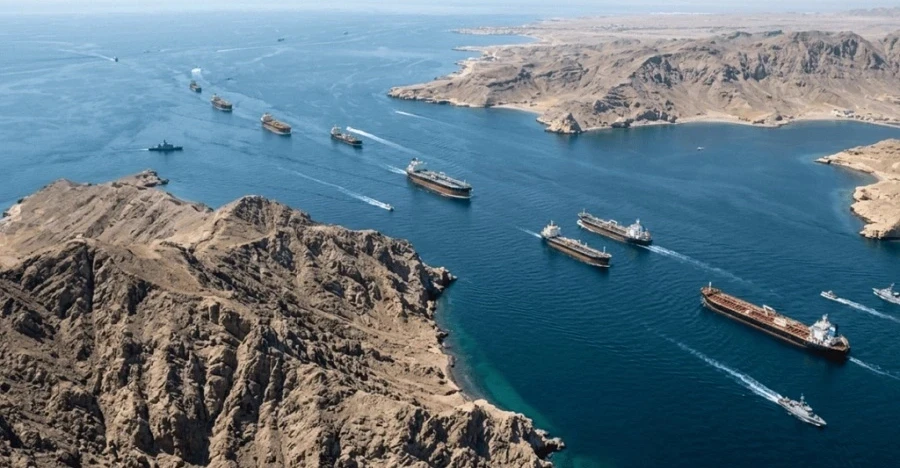 Some 36 countries are meeting on Thursday in an effort to exert diplomatic and political pressure aimed at reopening the Strait of Hormuz, one of the world’s most vital shipping lanes, which has been disrupted by the US-Israeli war against Iran, in the absence of the United States from these efforts.
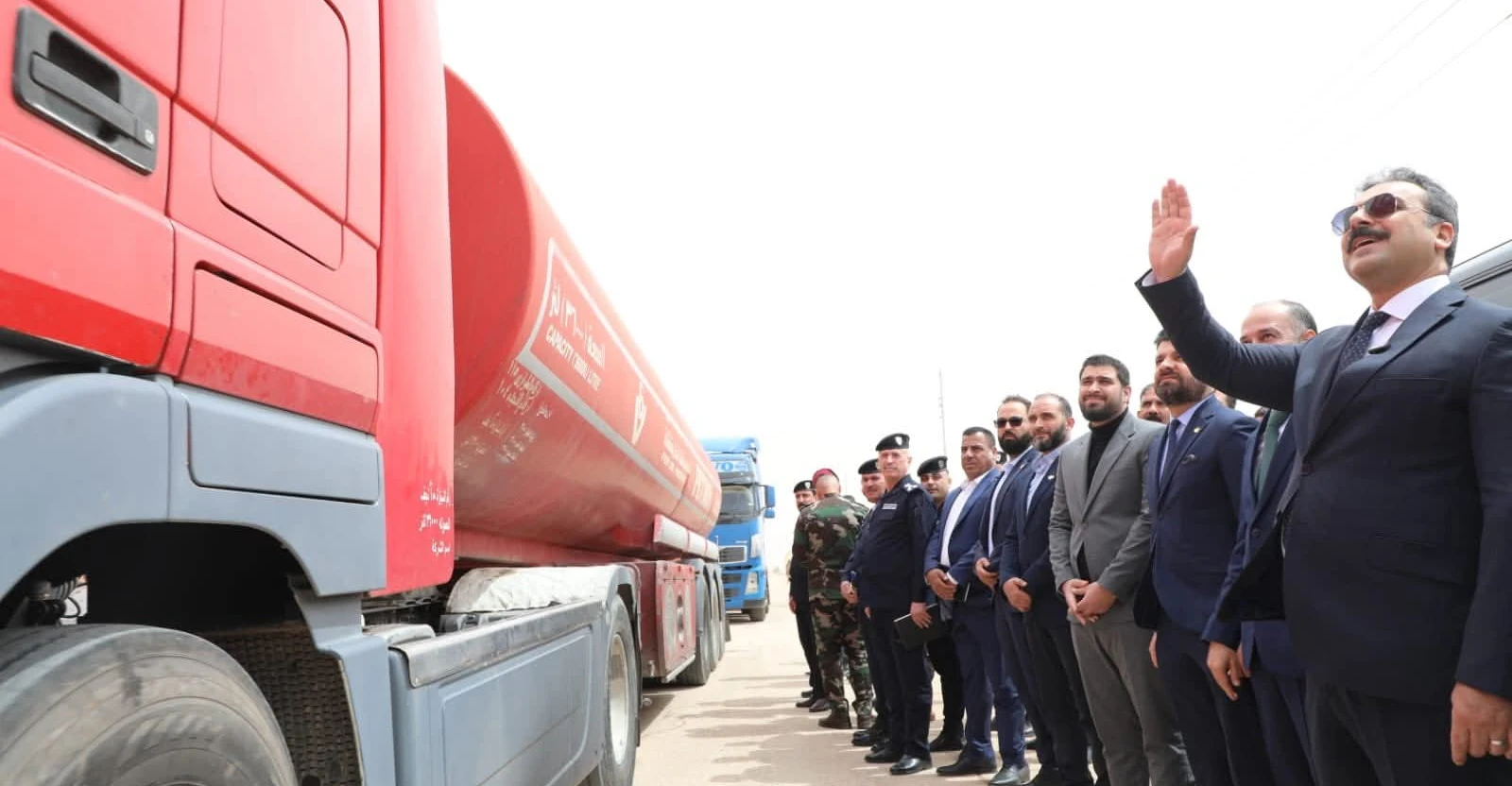 The head of the Border Ports Authority, Lieutenant General Omar Adnan Al-Waeli, inaugurated the Al-Walid border crossing between Iraq and Syria on Thursday, after it had been closed for more than 11 years.
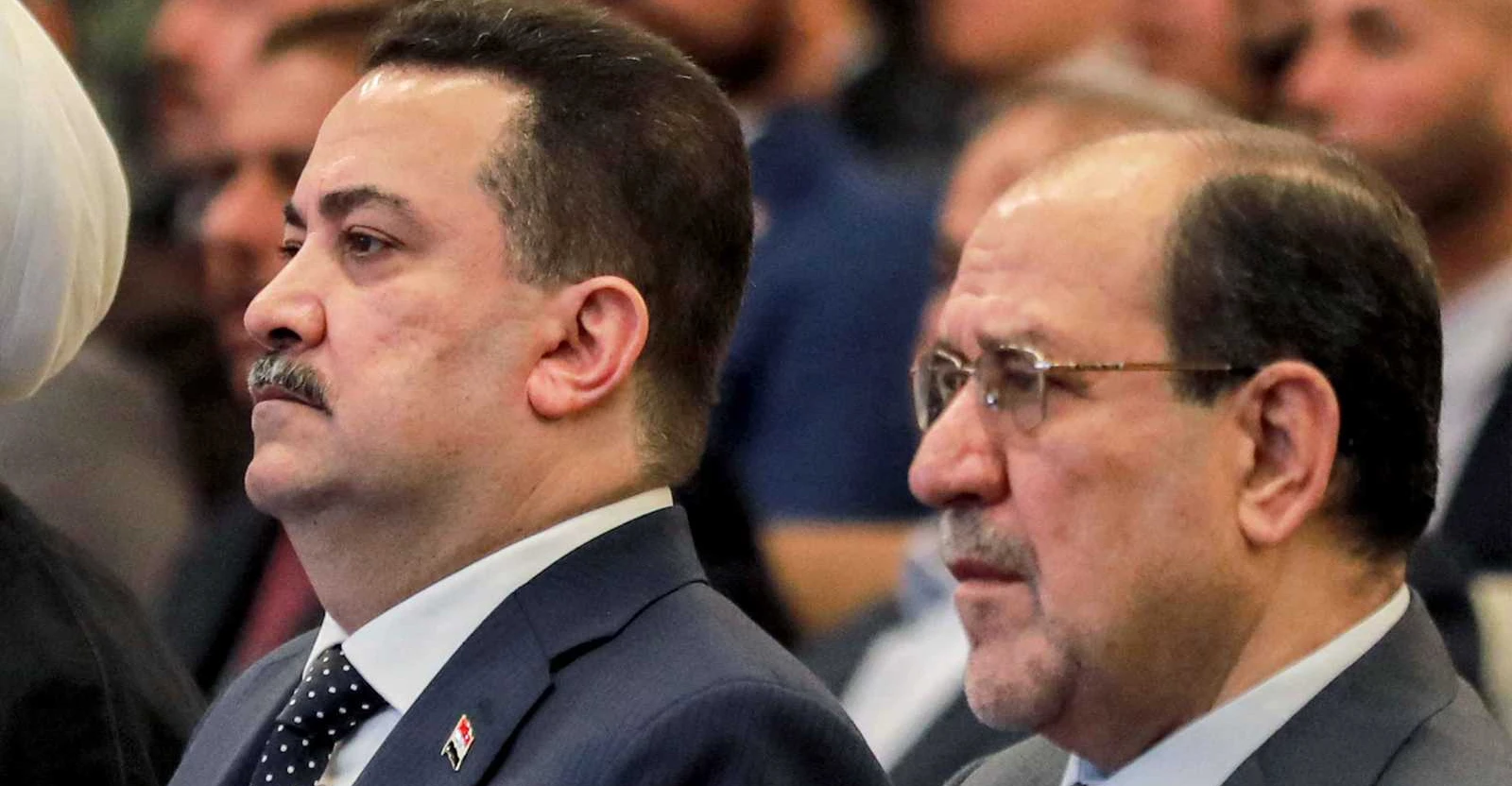 An informed political source reported on Monday that some of the active forces within the Coordination Framework are looking for a candidate to replace Nouri al-Maliki for the position of the next government. While the Framework confirmed its rejection of renewing the mandate of the outgoing Prime Minister, Mohammed Shia al-Sudani, the Reconstruction and Development Alliance put forward two options, with no third, for the leadership of the next government.
 Former MP, Arif Al-Hamami, confirmed on Tuesday that the session scheduled for April 11 to elect the President of the Republic has not yet been decided, noting that setting the date came as a result of initial understandings that have not reached the stage of final confirmation.
 A source in Anbar province revealed on Tuesday that Mohammed al-Halbousi, head of the Progress Alliance, has disappeared from public view amid reports suggesting he has traveled abroad on a mission whose details remain unclear.
 The Federal Integrity Commission announced on Tuesday a “heavy” tally of its oversight and investigative operations during the year, confirming the prevention of waste and the preservation of public funds worth nearly “one trillion Iraqi dinars,” with the issuance of arrest and summons orders that included dozens of ministers and officials.
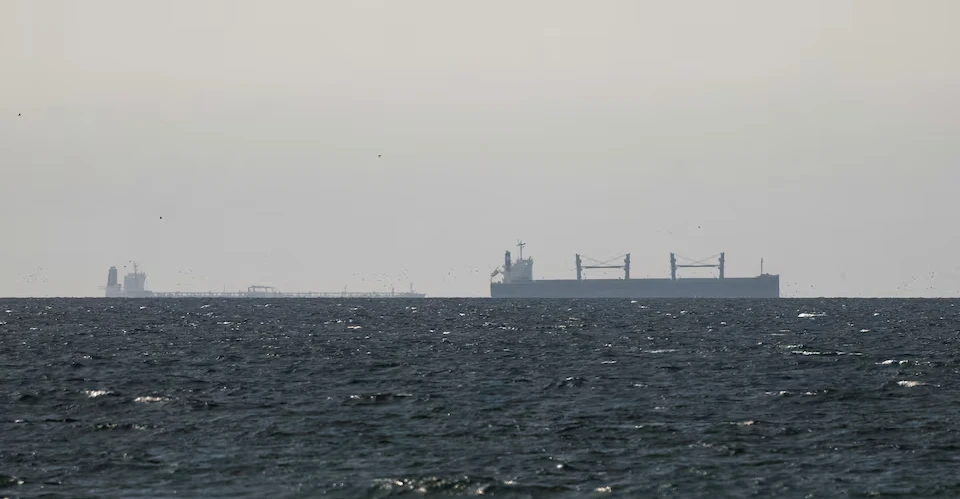 The Chinese Foreign Ministry announced on Tuesday that three Chinese ships recently crossed the Strait of Hormuz successfully.
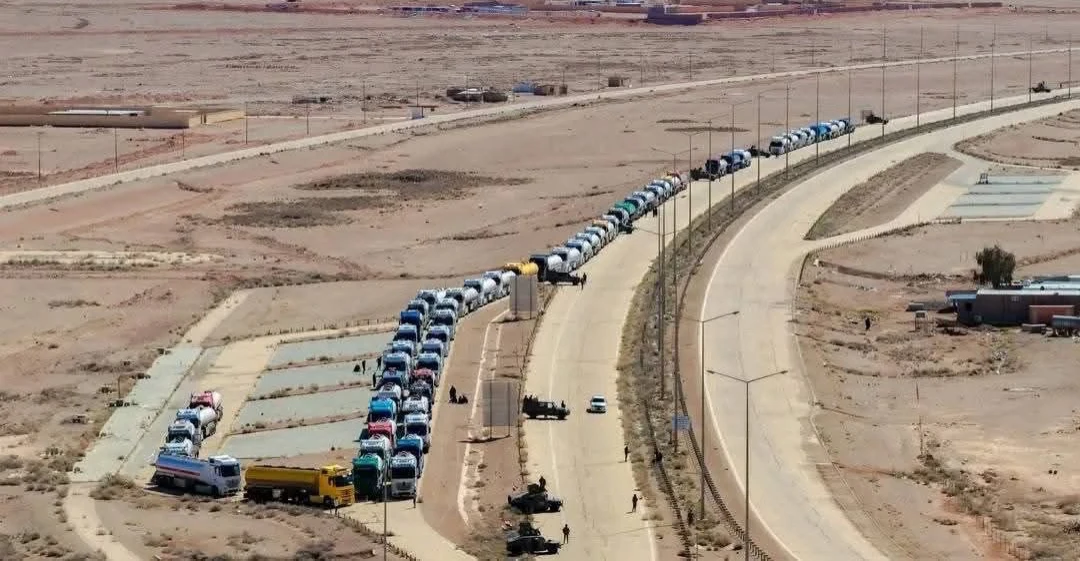 Anbar Provincial Council member Adnan al-Kubaisi announced on Tuesday that more than 60 trucks loaded with Iraqi oil had begun crossing through the al-Walid border crossing, predicting that the number of trucks transporting the oil would rise to between 600 and 700 in the coming period.