
Exclusive: Maliki and Sudani resort to the 8/12 formula to resolve the prime ministerial candidate crisis
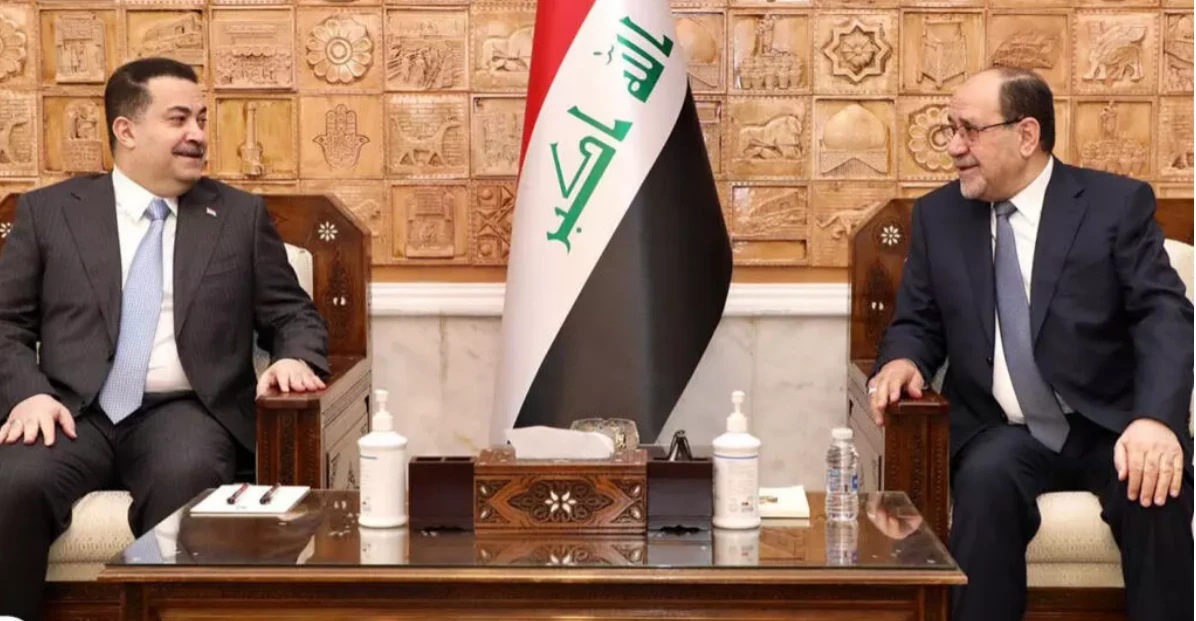 A source within the coordination framework revealed on Thursday the nature of the initial understandings reached regarding the selection of the next Prime Minister, indicating that the candidate who obtains two-thirds of the votes of the framework’s leaders wins the position, which requires time to finalize this initial agreement.
This comes against the backdrop of what the leaders of the coordination framework reached on Wednesday evening, as understandings between them regarding the leadership of the government led to the postponement of a crucial meeting until next Saturday.
A source close to the framework told Shafaq News Agency on Wednesday that “the leaders of the framework agreed to postpone the meeting that was supposed to be held this evening (Wednesday night) until Saturday, after reaching important understandings.”
He added that “the new understandings require more time to resolve the issue of the prime ministership.”
Returning to the nature of these understandings revealed by the source today, he explained to Shafaq News Agency that ” the initial understandings between the most prominent candidates of the framework, the leader of the State of Law Coalition, Nouri al-Maliki, and the caretaker Prime Minister, Muhammad Shia al-Sudani, which led to the postponement of yesterday’s meeting, stipulate that whoever obtains the support of 8 out of 12 leaders of the Shiite House will proceed unanimously after the rest join the two-thirds automatically, and thus obtains the position of Prime Minister.”
He explained that “these understandings require more time to mature in a way that preserves the entitlements of all forces,” noting that “there are forces that have declared their neutrality, namely the Design Alliance, the Victory Coalition, and the Virtue Party, and they will join whoever will guarantee them the gains they aspire to.”
The source indicated that “the meetings between the Shiite forces are ongoing and may change the roadmap for the government palace before Saturday’s meeting, otherwise the disputes over the government formation file will continue amid push and pull,” stressing at the same time that “whatever results of the Iran-America negotiations will lead to will inevitably have an impact on resolving the matter.”
On Wednesday evening, the coordinating framework decided to postpone its meeting scheduled for that night until next Saturday, after reaching “important” understandings regarding the leadership of the government.
This comes against the backdrop of a division within the coordination framework that split it into three wings due to disagreements over the candidate for the next prime minister, according to what a well-informed political source revealed earlier on Wednesday.
The political source told Shafaq News Agency on Wednesday that “the disagreements within the framework are no longer limited to differing viewpoints, but have developed into an actual split within the alliance into three main wings, which has cast a shadow over today’s meeting scheduled to be held at Humam Hamoudi’s house, with growing doubts about the possibility of postponing it to another date.”
He explained that “the first faction insists on nominating the leader of the State of Law Coalition, Nouri al-Maliki, or any figure who enjoys his explicit support from among the proposed names, while a second faction is pushing for the renaming of the caretaker Prime Minister, Mohammed Shia al-Sudani, while the third faction prefers to go for a compromise candidate who can gain wider acceptance within and outside the Shiite community.”
Shafaq.com
 The International Monetary Fund’s 2026 forecast, released on Thursday, revealed a clear divergence in inflation rates among Arab countries, with Iraq maintaining a moderate level of around 3%, placing it among the most relatively stable countries in the region.
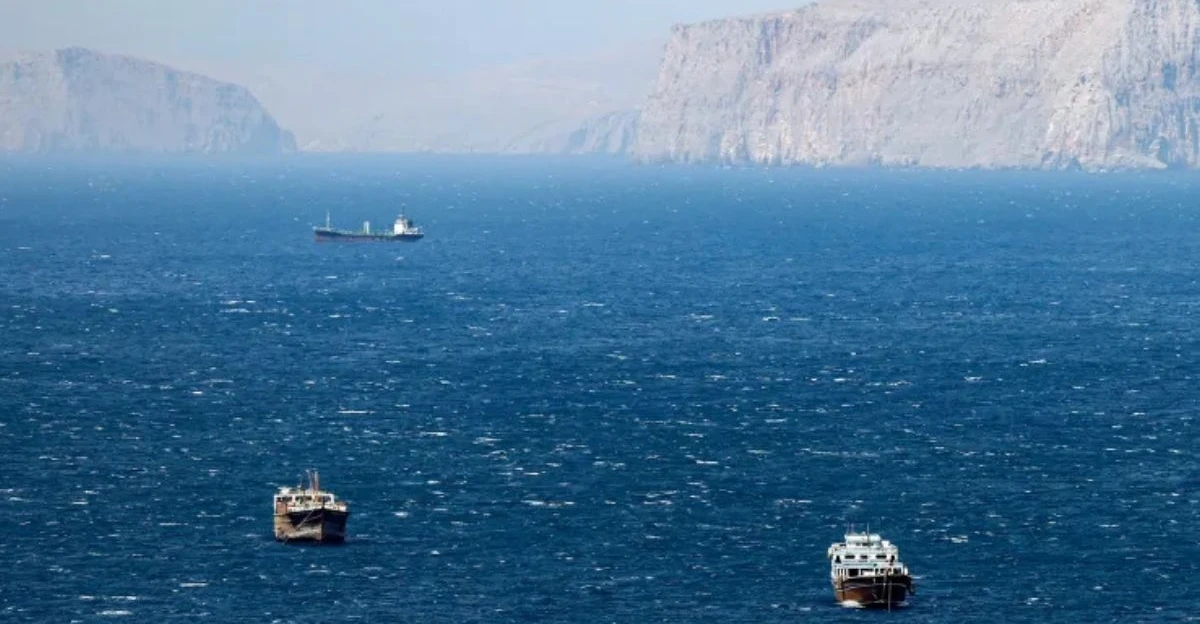 Reuters reported on Thursday that the US military has expanded its embargo on Iranian shipments to include smuggled materials such as weapons and ammunition.
 Member of the Reconstruction and Development Committee, Abdul Hadi al-Saadawi, revealed on Wednesday that the competition for the premiership has narrowed down to only two names, ruling out the possibility of any “compromise candidates” at this stage.
 The corridors of the Coordination Framework continue to witness intense political activity, accompanied by clear conflicting positions and visions. This has become the “most difficult obstacle” preventing the final announcement of the candidate for the new prime minister.
 The International Monetary Fund (IMF) predicted on Wednesday that the Iraqi economy will experience a significant contraction during 2026, amid escalating repercussions of the conflict in the Middle East and continued pressure on global energy markets, placing the country among the most affected by the current crisis.
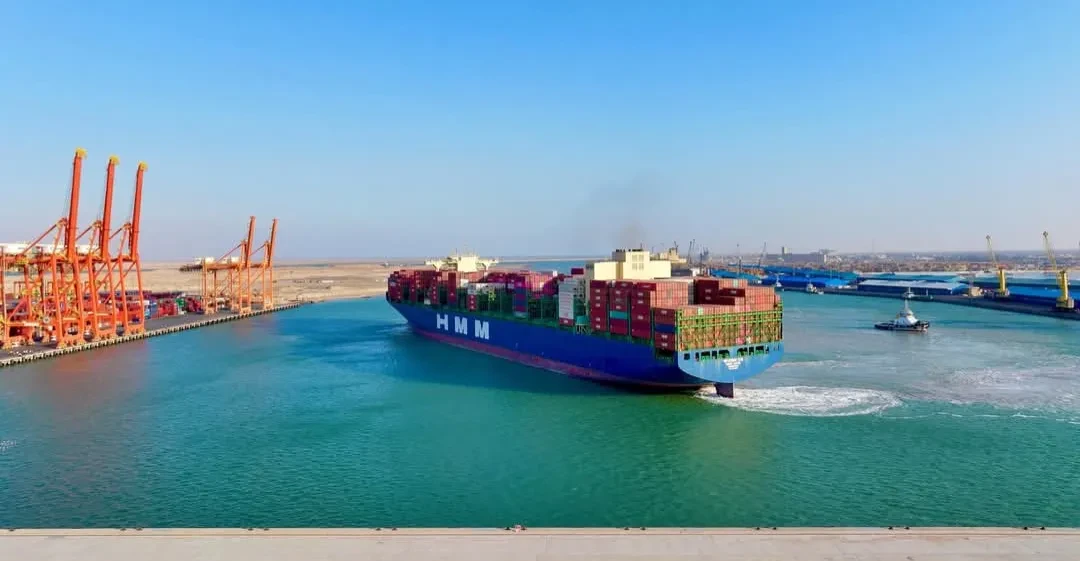 Giant oil tankers continue their journeys to Iraqi ports to load crude shipments, despite escalating tensions in the Strait of Hormuz and the tightening of the US embargo on ships linked to Iran, in an indication of the continued global demand for Iraqi oil and the assurance of the security of its supplies.
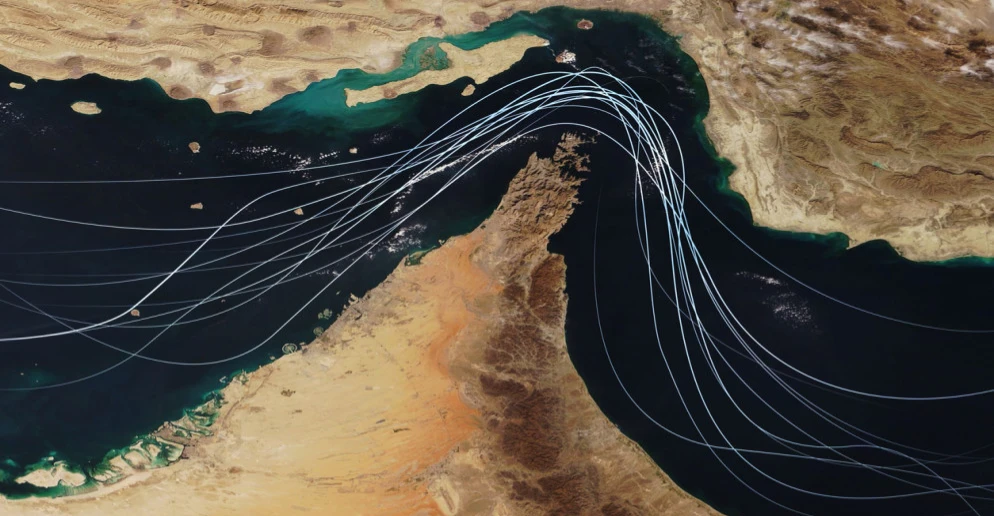 The US military announced on Wednesday that Iranian ports were completely blockaded and that maritime trade to and from Iran had completely stopped.
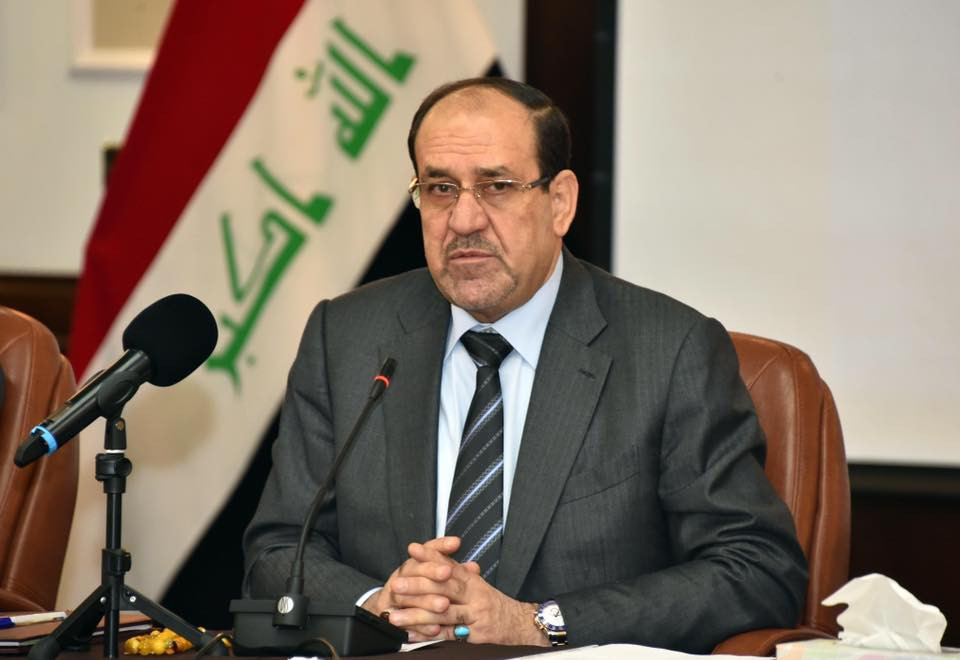 The State of Law Coalition confirmed on Wednesday that its leader, Nouri al-Maliki, is committed to his candidacy for prime minister, in response to proposals that suggested presenting Basim al-Badri as a compromise candidate within the coordination framework.