
Al-Zaydi and a delegation from Al-Sadr discuss the integration of Saraya Al-Salam into the security forces.
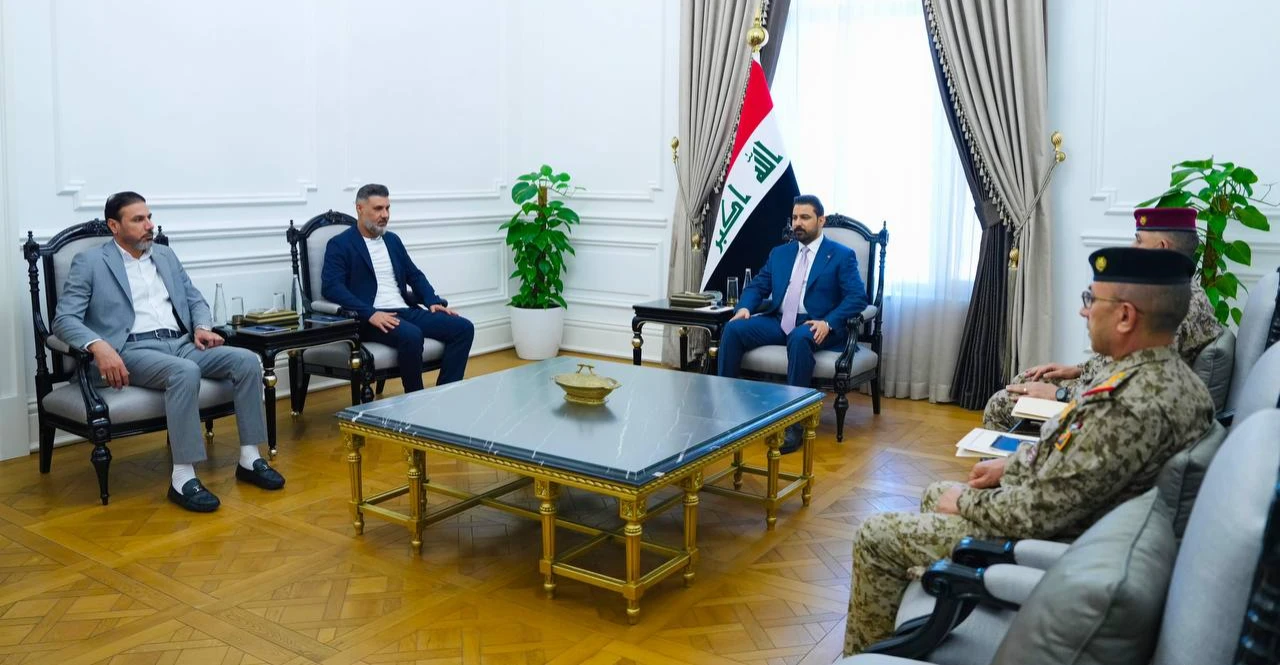 On Saturday, the Prime Minister and Commander-in-Chief of the Armed Forces, Ali Faleh al-Zaidi, received a delegation representing the leader of the Shiite National Movement, Muqtada al-Sadr, in the presence of the Deputy Commander of Joint Operations and the personal secretary.
The Prime Minister’s Media Office stated in a statement received by Shafaq News Agency that the meeting discussed the mechanism for implementing Al-Sadr’s initiative to integrate the Peace Brigades into the Iraqi security forces and hand over weapons to the state, and a committee was formed for this purpose.
According to the statement, Al-Zaydi reiterated his appreciation for this patriotic stance taken by Mr. Muqtada al-Sadr.
The committee appointed by the leader of the National Current, Muqtada al-Sadr, regarding the disengagement of the Peace Brigades, announced yesterday, Friday, that it held its first meeting to officially disengage the brigades.
According to the media office, in accordance with what was stated in Al-Sadr’s statement, in which he ordered the completion of the procedures for the separation of the military side of the Peace Brigades from the national Shiite movement within a maximum period of one week, the assigned committee began yesterday, Friday, in order to follow up on the completion of the procedures for the separation of the military side of the Peace Brigades from the national Shiite movement.
The leader of the Shiite national movement, Muqtada al-Sadr, announced last Wednesday the separation of the “Peace Brigades” from the movement and the joining of its members to the state, while calling on the “Popular Mobilization Forces” to separate from “partisan and sectarian” orders.
Al-Sadr said in a statement, which was received by Shafaq News Agency, that “the decision came from the general interest of the nation, and in line with the dangers surrounding the nation.”
He added that the civilian entities attached to the “Saraya” will move to Al-Bunyan Al-Marsous without any headquarters, weapons, uniforms, addresses, or anything else.
A government source confirmed last Thursday that the move by the leader of the Shiite National Movement, Muqtada al-Sadr, came as a quick response to direct messages sent by Prime Minister Ali al-Zubaidi to the political forces that have armed wings, urging them to “disband them and integrate their members into official institutions.”
Shafaq.com
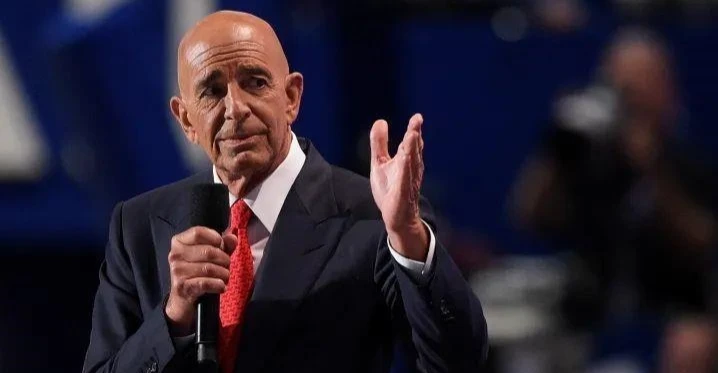 US Secretary of State Marco Rubio announced that US Ambassador Tom Barrack will continue to play a leading role in the Syria and Iraq files within President Donald Trump’s administration, despite the end of his term as special envoy to Syria.
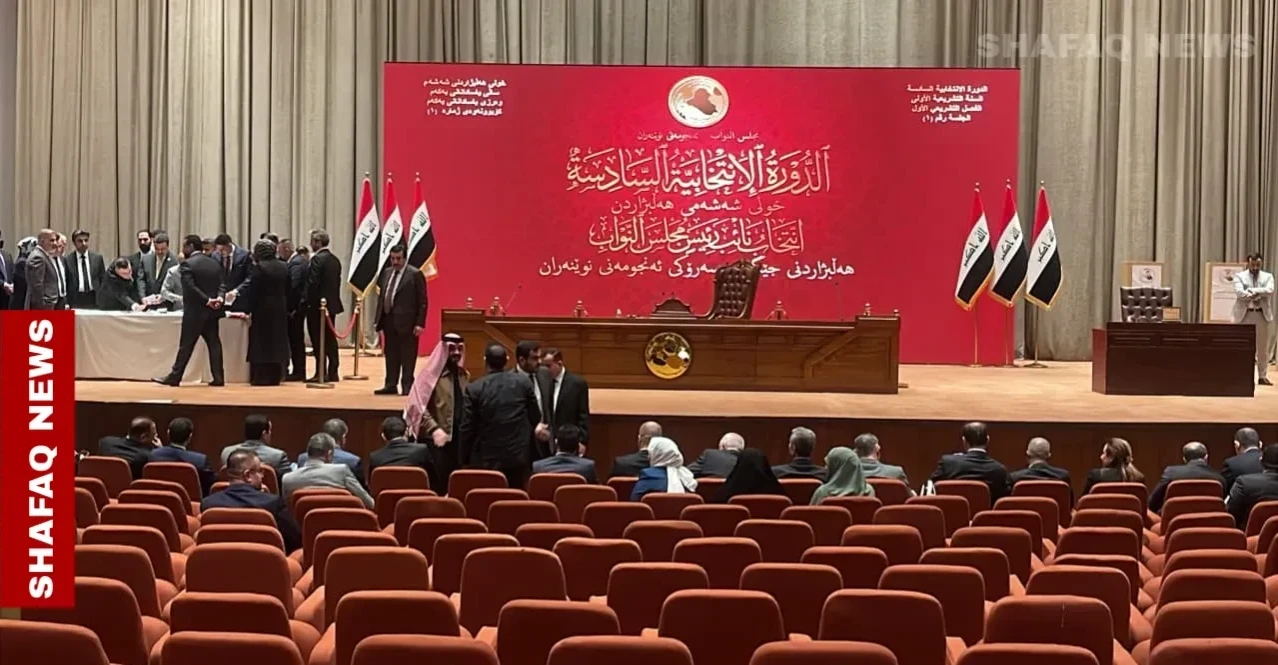 Ghanem Al-Aifan, a leader in the Al-Azm Alliance, confirmed on Saturday that the Ministries of Planning and Culture are allocated to the alliance, noting that the alliance will submit the names of its candidates for the two ministries after the Eid al-Adha holiday.
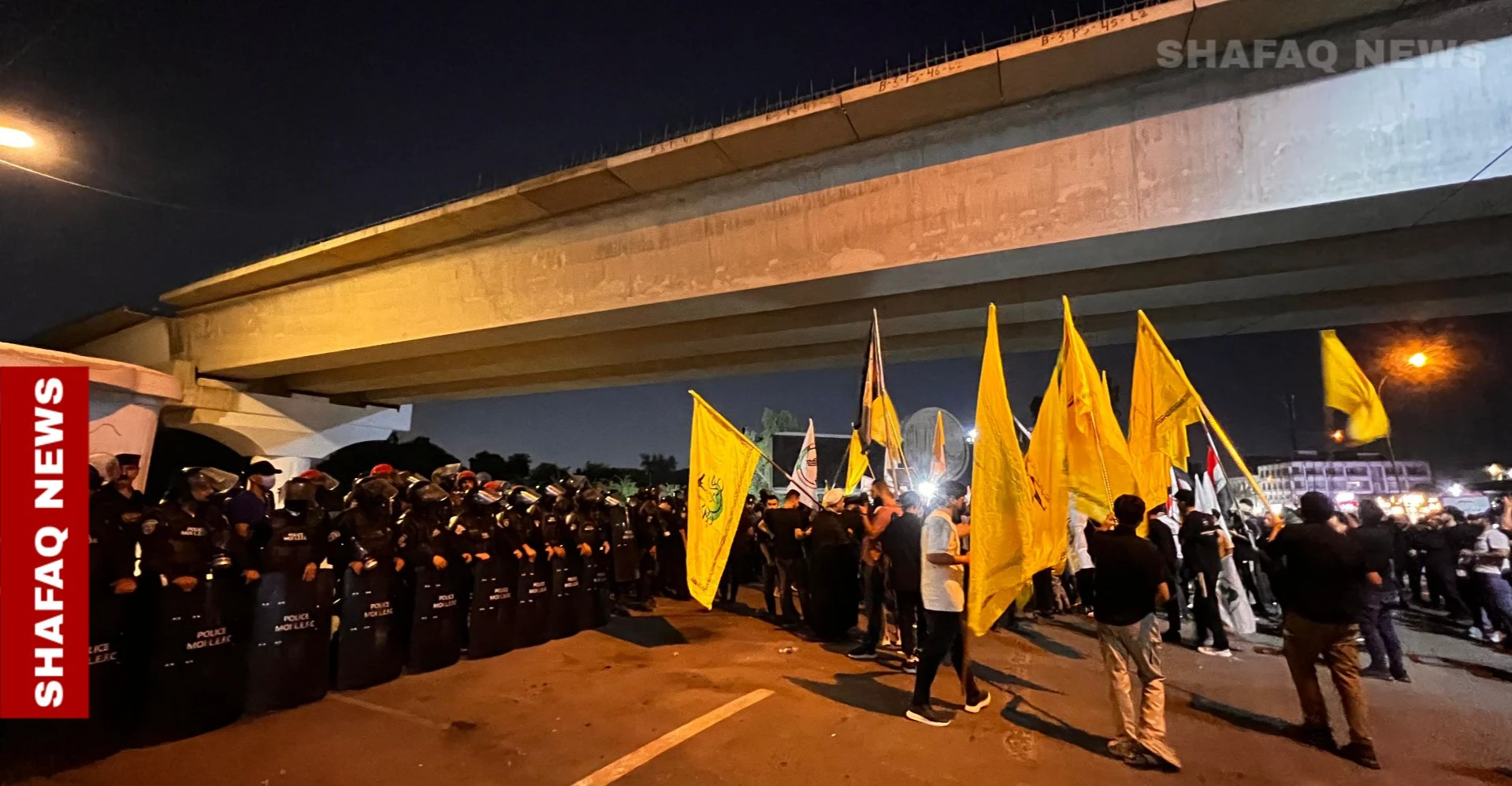 A government source revealed on Saturday that Prime Minister Ali al-Zaidi will hold an extensive meeting with security leaders and armed factions that have announced the handover of their weapons to the state, in order to establish mechanisms and a timeframe for integrating their members and dismantling their positions, in addition to discussing the “guarantees” that will be given to the factions.
 Former member of the parliamentary Oil and Gas Committee, Bassem Al-Gharibawi, raised questions on Monday regarding Iraq’s lack of a maritime fleet for transporting and exporting oil, and the country’s complete dependence on foreign companies.
 MP Bassem Al-Gharabi warned on Tuesday of an impending wave of inflation looming over the Iraqi economy due to the financial mismanagement pursued by successive governments, calling on the new Prime Minister to adopt urgent plans to avert the crisis.
 The former member of the Parliamentary Energy Committee, Ali al-Lami, confirmed on Tuesday that halting gas flaring in Iraqi oil fields will become a tangible reality during the first quarter of 2027, provided the current pace of work continues.
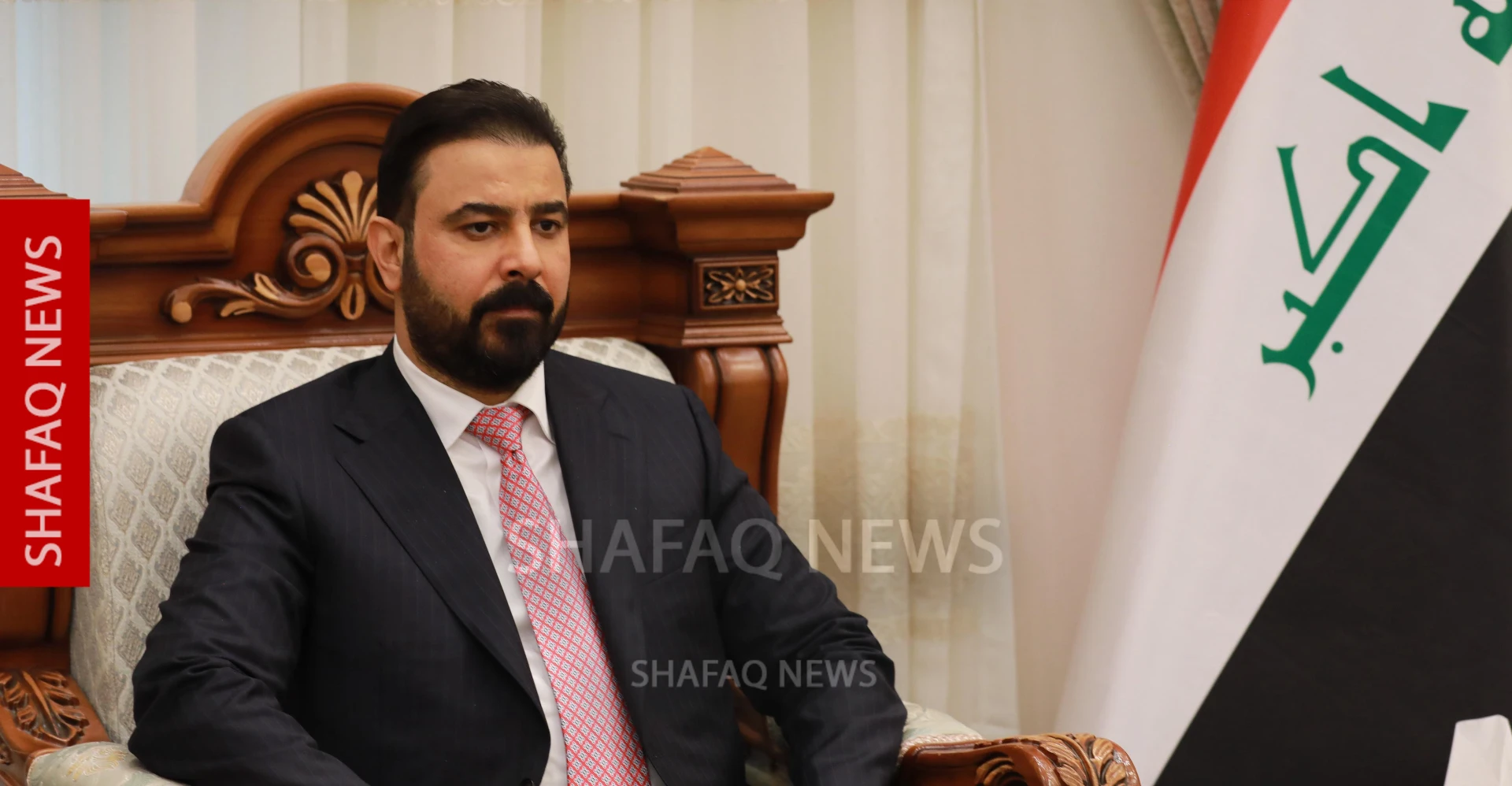 On Monday, Prime Minister Ali al-Zaidi criticized the work of the Financial Control Bureau in Iraq, directing the formation of a central committee from the Ministry of Finance and the use of international companies to improve the work of the Bureau.
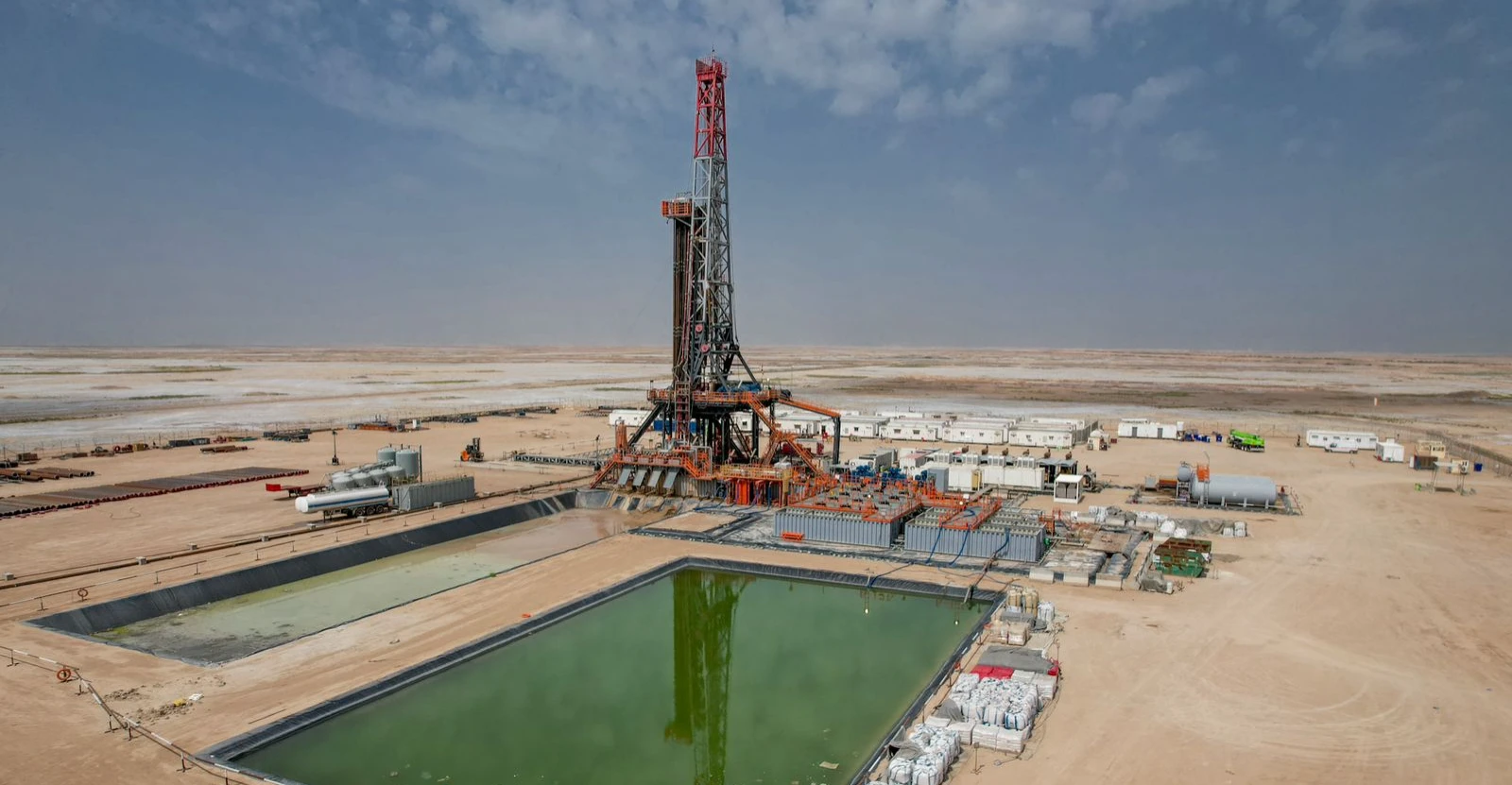 Trade data showed that India, the world’s third-largest oil importer, has turned to increasing its purchases of crude from Latin America and Africa after supplies from the Middle East were disrupted by military tensions and the closure of the Strait of Hormuz.
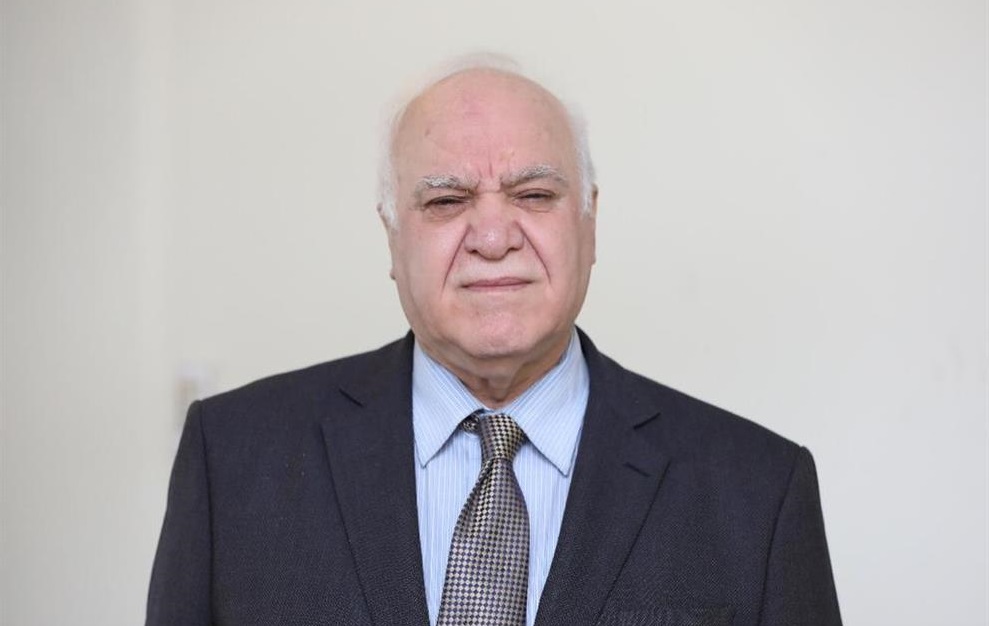 On Tuesday, Mazhar Mohammed Saleh, the financial advisor to the Iraqi Prime Minister, stated that diversifying Iraq’s foreign reserves within a balanced investment portfolio represents a strategic monetary policy aimed at enhancing financial stability and reducing the risks associated with relying on a single asset or currency.