
“Disarming the factions” is on Al-Zaydi’s agenda with the framework today
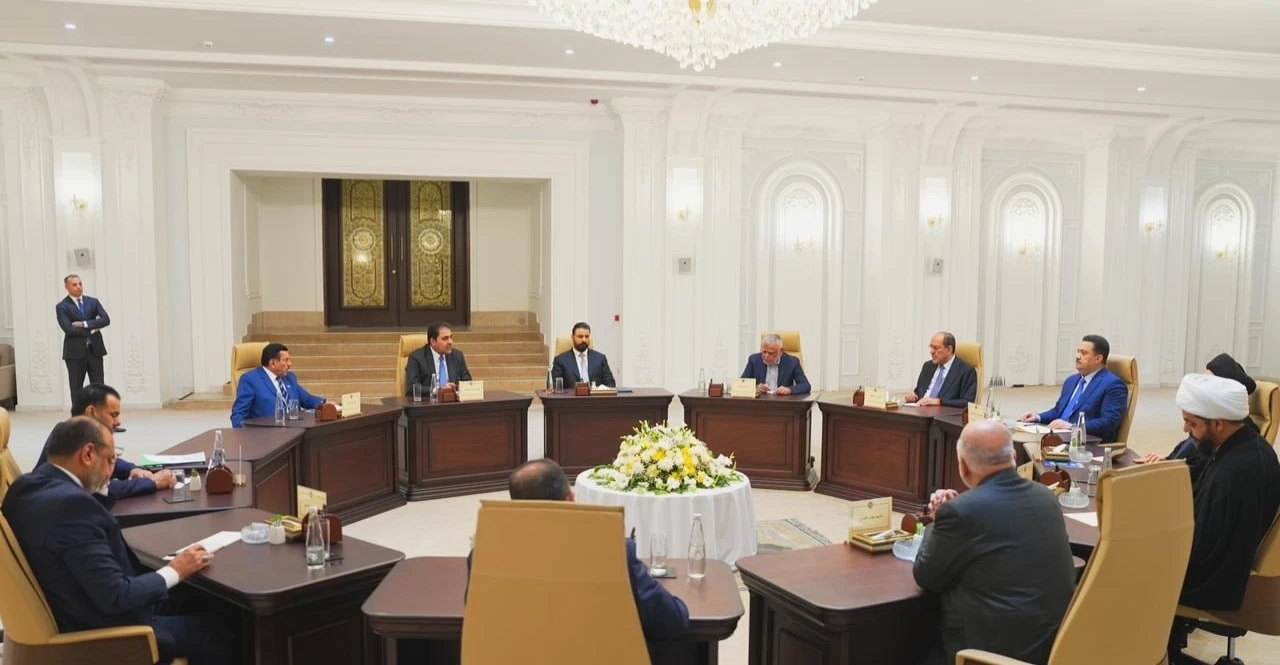 The tripartite committee concerned with restricting weapons to the state will hold an expanded meeting this evening, Monday, with the forces of the coordination framework to discuss mechanisms for implementing the project to disarm the armed factions and the plan to integrate their members into state institutions.
An informed source told Shafaq News Agency that “the tripartite committee consists of the Commander-in-Chief of the Armed Forces, Ali al-Zaidi, as chairman, and the membership of former Prime Minister Mohammed Shia al-Sudani and the leader of the Badr Organization, Hadi al-Amiri.”
He added that “the meeting will discuss mechanisms for restricting weapons to the state, in addition to discussing the distribution of faction members to ministries and security agencies after verifying their data and ensuring that their records are free of criminal restrictions, as well as taking stock of their actual numbers and setting a time limit for receiving weapons.”
According to the source, the attendees will also discuss ways to provide the necessary financial allocations for the implementation of the project, whether through internal borrowing or through some Gulf banks, with the aim of concluding this matter almost definitively.
He pointed out that “the agenda includes discussing a proposal to create a security ministry specifically for the Popular Mobilization Forces or to establish an independent security apparatus that integrates the factions covered by the plan, which would allow for the development of an internal system and a clear administrative structure, as well as addressing the issue of fictitious affiliates and ghost names.”
The source explained that “the tripartite committee will listen to the observations and proposals of the coordinating framework forces regarding the mechanisms for implementing the project to restrict weapons to the state, according to a vision aimed at strengthening security stability and distancing Iraq from the repercussions of the military conflicts taking place in the region.”
The source continued, saying that “the meeting will also address other political and economic issues, in addition to discussing the completion of the government cabinet and current regional challenges,” noting that “the meeting date is still in place until now, unless new developments arise that necessitate its postponement.”
It is worth noting that a government source had previously revealed to Shafaq News Agency that Prime Minister Ali al-Zaidi would hold an extensive meeting with security leaders and armed factions that had announced the handover of their weapons to the state, in order to establish mechanisms and a timeframe for integrating their members and dismantling their positions, in addition to discussing the “guarantees” that would be given to the factions.
On Wednesday, the leader of the Shiite national movement, Muqtada al-Sadr, announced the disassociation from the Peace Brigades and their integration into the state. The move was welcomed by the newly formed Iraqi government headed by Ali Faleh al-Zaidi.
Most of the current armed factions trace their roots back to after 2003, when armed formations emerged in connection with the security vacuum that followed the American invasion of Iraq, and then expanded significantly after ISIS invaded large Iraqi cities in 2014.
On the international front, the United States is intensifying its pressure on Baghdad, linking support for the Iraqi government to the removal of armed factions from state institutions.
Shafaq.com
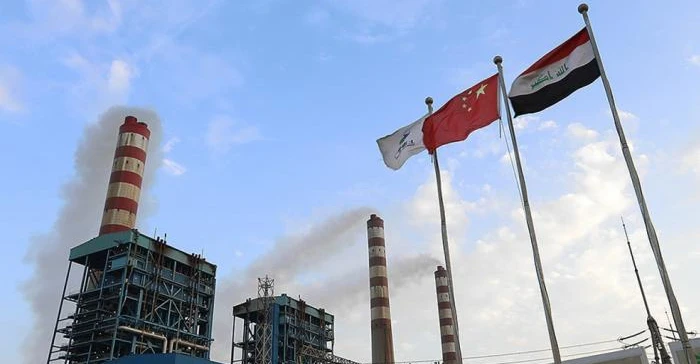 Recent data shows a significant decline in China’s imports of Iraqi oil during May, amid global energy market turmoil resulting from tensions in the Middle East and the closure of the Strait of Hormuz.
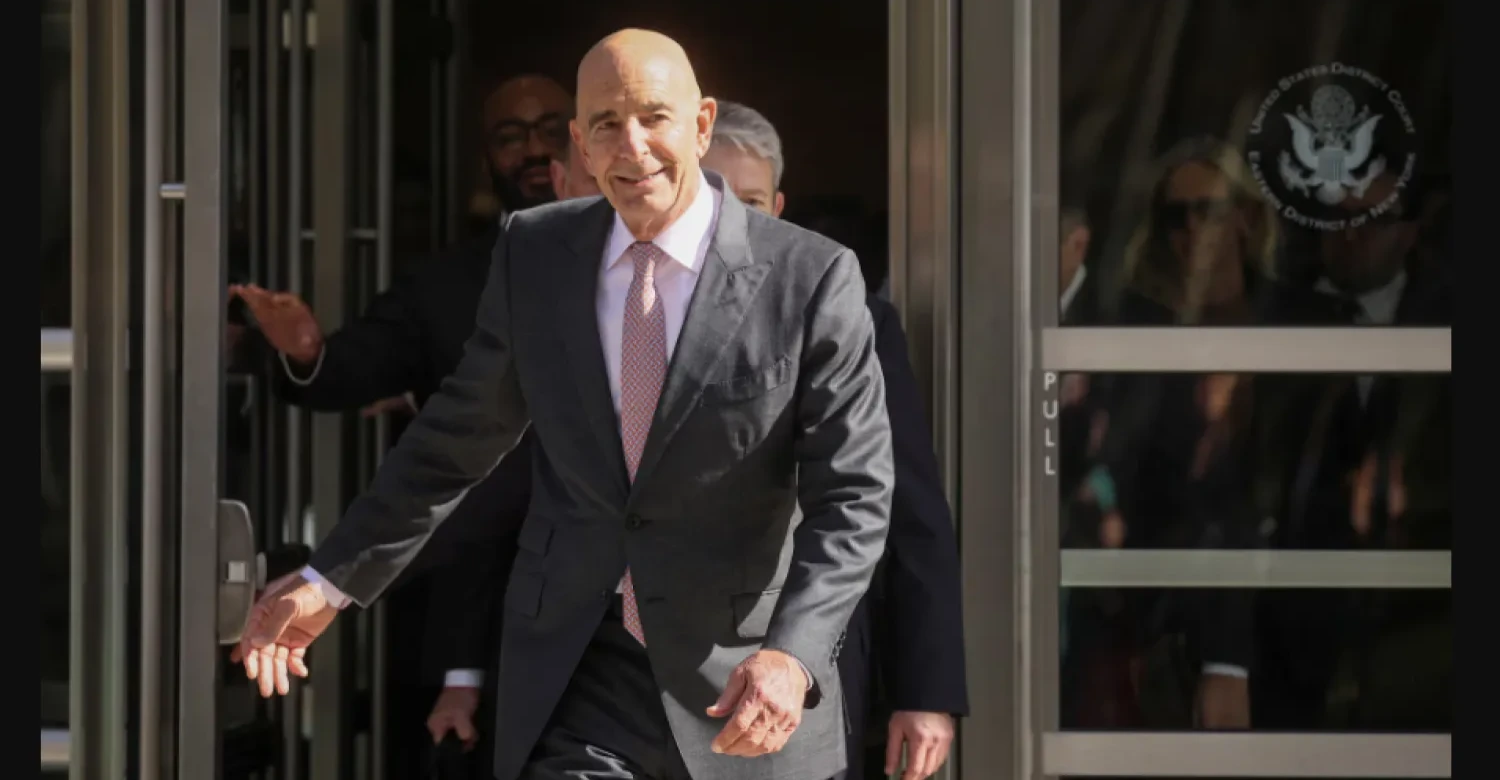 Diler Khalaf Osman, a researcher in international relations and Middle Eastern affairs at the University of Tennessee, confirmed on Monday that Washington’s decision to merge the Iraq and Syria files under the supervision of a single envoy reflects a fundamental shift in the American strategy towards the region.
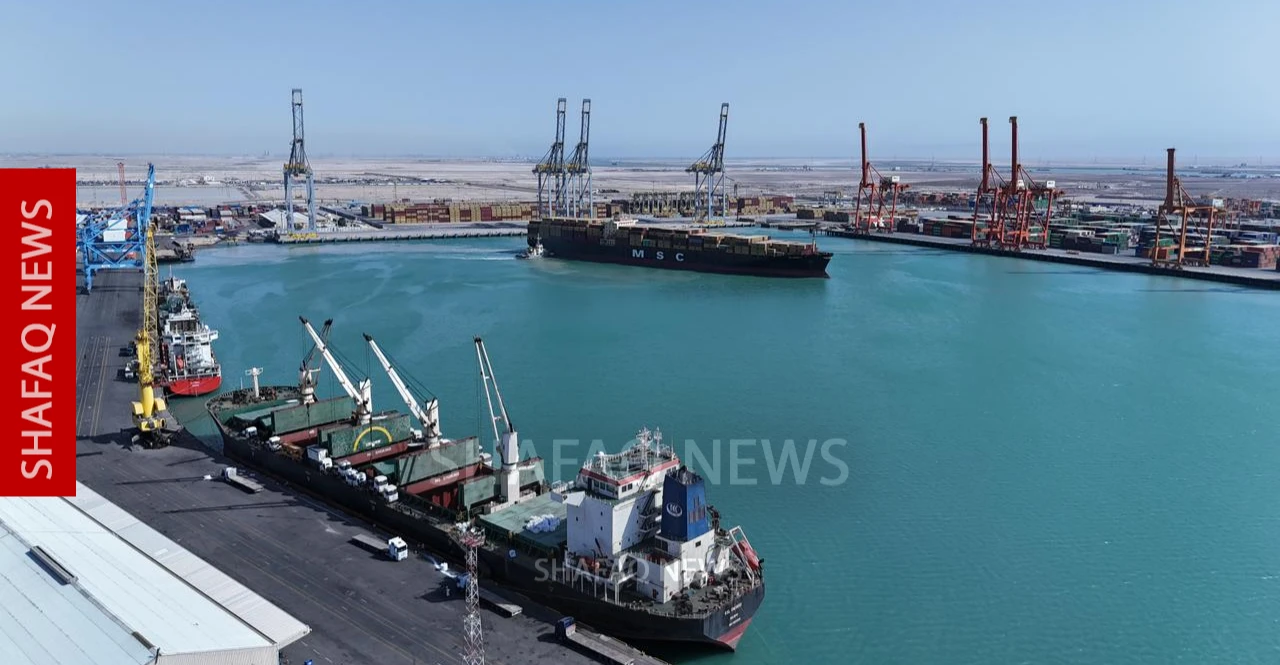 The giant ship “MSC” arrived on Monday at the ports of Umm Qasr in Basra, in the far south of Iraq, after an absence of more than three months as a result of the war and the closure of the Strait of Hormuz.
 The “Red Buses”, belonging to the Iraqi Passenger and Delegation Transport Company, continue to play their role in easing the burden of transportation for citizens in the capital, Baghdad, especially in areas of the city center such as Tahrir Square, Al-Shourja, Bab Al-Muadham, and the connecting lines between the two sides of Karkh and Rusafa.
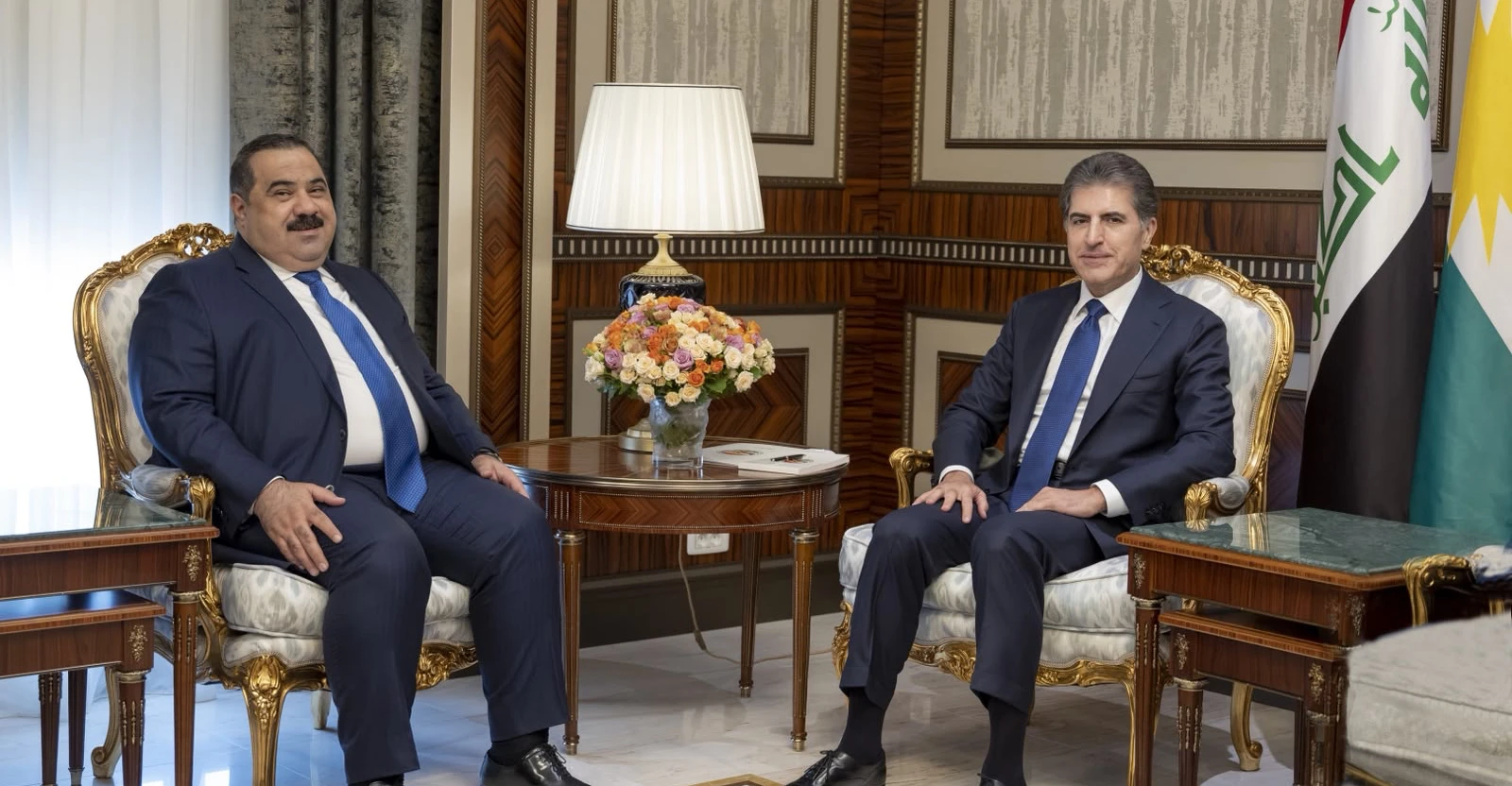 On Monday, Kurdistan Region President Nechirvan Barzani discussed with Muthanna al-Samarrai, head of the Azm Alliance, Baghdad’s measures to restrict weapons to the state, complete the government of Ali al-Zaidi, and fill the vacant ministries.
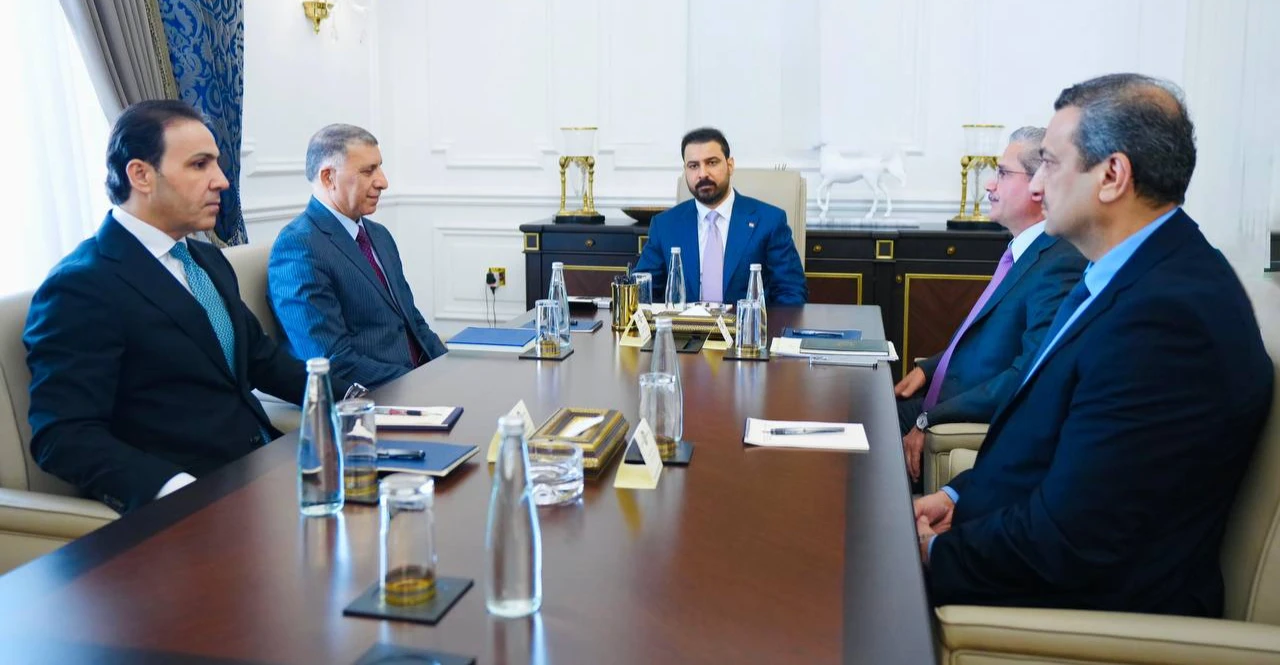 On Saturday, Prime Minister Ali Faleh al-Zaidi directed the formation of the Supreme Sovereign Council for Integrity, Oversight and Recovery of Public Funds.
 MP Iyad al-Jubouri, from the Azm Alliance, accused unnamed parties on Saturday of being behind what he described as a “conspiracy” to thwart the passage of a number of ministers during the vote on Ali al-Zidi’s government, stressing that the session’s management witnessed legal violations.
 The head of the “Design” coalition, Amer Al-Fayez, confirmed on Saturday that the completion of the ministerial cabinet of Prime Minister Ali Al-Zidi’s government will take place after the Eid Al-Adha holiday, noting that the decision will be made through an emergency session or immediately after the end of the parliamentary legislative holiday.
 MP Kamel Al-Akeeli, from the Coordination Framework, confirmed on Saturday that one of the most prominent reasons for the disputes that accompanied the confidence vote session was due to the competition within the Sunni component regarding the distribution of positions and ministerial portfolios, noting that this conflict was directly reflected in the course of the session and the atmosphere of political consensus.