
Following the easing of visa requirements, Damascus confirms the start of a new phase of trade exchange with Iraq.
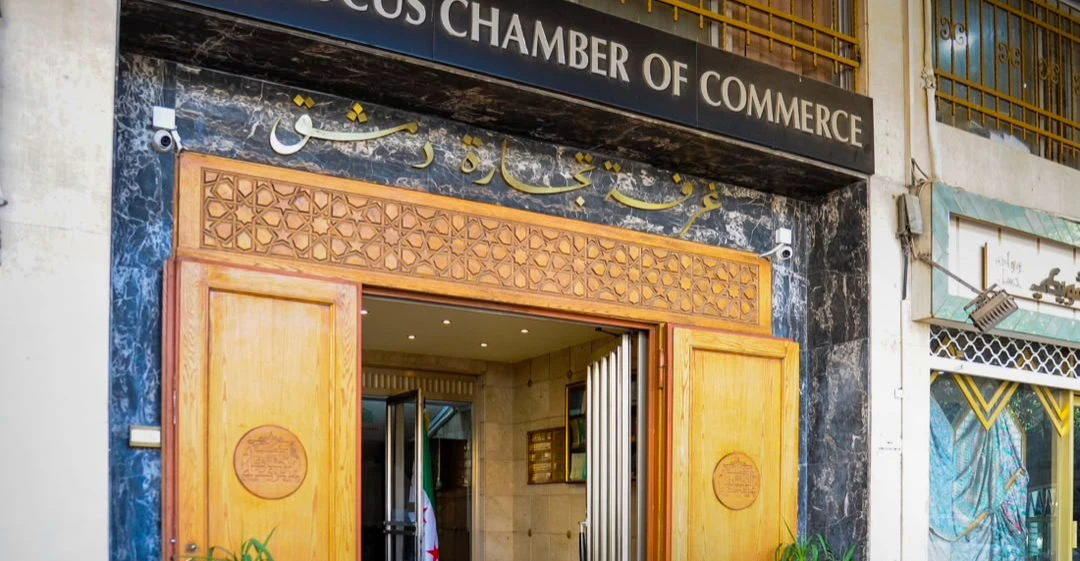 On Tuesday, Mohammad Imad Al-Mawlawi, a member of the executive office of the Damascus Countryside Chamber of Commerce, affirmed that the decision to facilitate the granting of visas to traders between Syria and Iraq is an important step to enhance trade and investment exchange and expand partnership opportunities between the two countries, expecting its effects to gradually appear during the coming year. Iraqeconomic reports
Al-Mawlawi told Shafaq News Agency that the importance of the decision lies in removing one of the obstacles to direct trade, as it allows traders to travel to inspect markets, negotiate with buyers and suppliers, follow up on shipments, dues and warehouses, participate in exhibitions and build continuous trade relationships, which reduces reliance on intermediaries and their costs, and gives Syrian companies better opportunities to access the Iraqi market.
He added that facilitating movement will positively impact the mutual exports between the two countries, whether Syrian to Iraq or Iraqi to Syria, by enhancing direct communication between importers and distributors, enabling the monitoring of marketing campaigns and shipments, as well as enabling brand owners to send delegates and representatives to follow up on their work in the markets on an ongoing basis.
He pointed out that direct communication between traders contributes to reducing costs, exchanging experiences, and benefiting from the commercial and industrial experiences of both parties. He explained that the decision benefits traders registered in chambers of commerce within the excellent, first, and second grades, who have significant business volumes, production capabilities, and trade figures, as it allows them to expand their activity, access new markets, and participate in exhibitions and trade events.
Al-Mawlawi explained that possible areas of cooperation include the agriculture, industry, transportation, logistics, transit, energy, building materials and reconstruction projects sectors, noting that Syria has important opportunities for economic growth, and that facilitating visas may pave the way for increased mutual investments and the establishment of new partnerships.
However, he stressed that visa facilitation, despite its importance, is not enough on its own to guarantee the flow of investments, but needs to be complemented by other procedures and agreements, including activating border crossing agreements, providing more facilities, and simplifying procedures for the flow of business and trade between the two countries.
He explained that the decision came in response to the demands of the chambers of commerce to facilitate visa procedures, noting that the chambers are working in this direction with a number of countries, including Iraq, Turkey and Jordan, to promote the movement of businessmen and trade exchange.
Al-Mawlawi stressed the importance of the role of chambers of commerce in the next stage, through organizing meetings between businessmen, providing information related to markets and investment opportunities, working to overcome obstacles and transform communication channels into actual partnerships and investments, expressing his hope that the results of these measures will begin to appear in a tangible way during the next year.
The Federation of Syrian Chambers of Commerce announced on November 2 that the Iraqi government had agreed to facilitate the granting of entry visas to Syrian traders of excellent, first and second class, provided that their applications are completed by letters of recommendation issued by the Federation.
Syrian traders were facing difficulties in obtaining visas, which limited their ability to track their goods and make deals directly, and led some of them to rely on intermediaries.
The move comes after Iraqi Prime Minister Ali al-Zaidi’s visit to Damascus on October 28, where he discussed with Syrian President Ahmed al-Sharaa strengthening economic and trade cooperation, expanding investment opportunities, and developing trade routes between the two countries.
Shafaq.com