
Exclusive: Details of an Iraqi-Saudi-American meeting dominated by factions and al-Zaidi’s movements
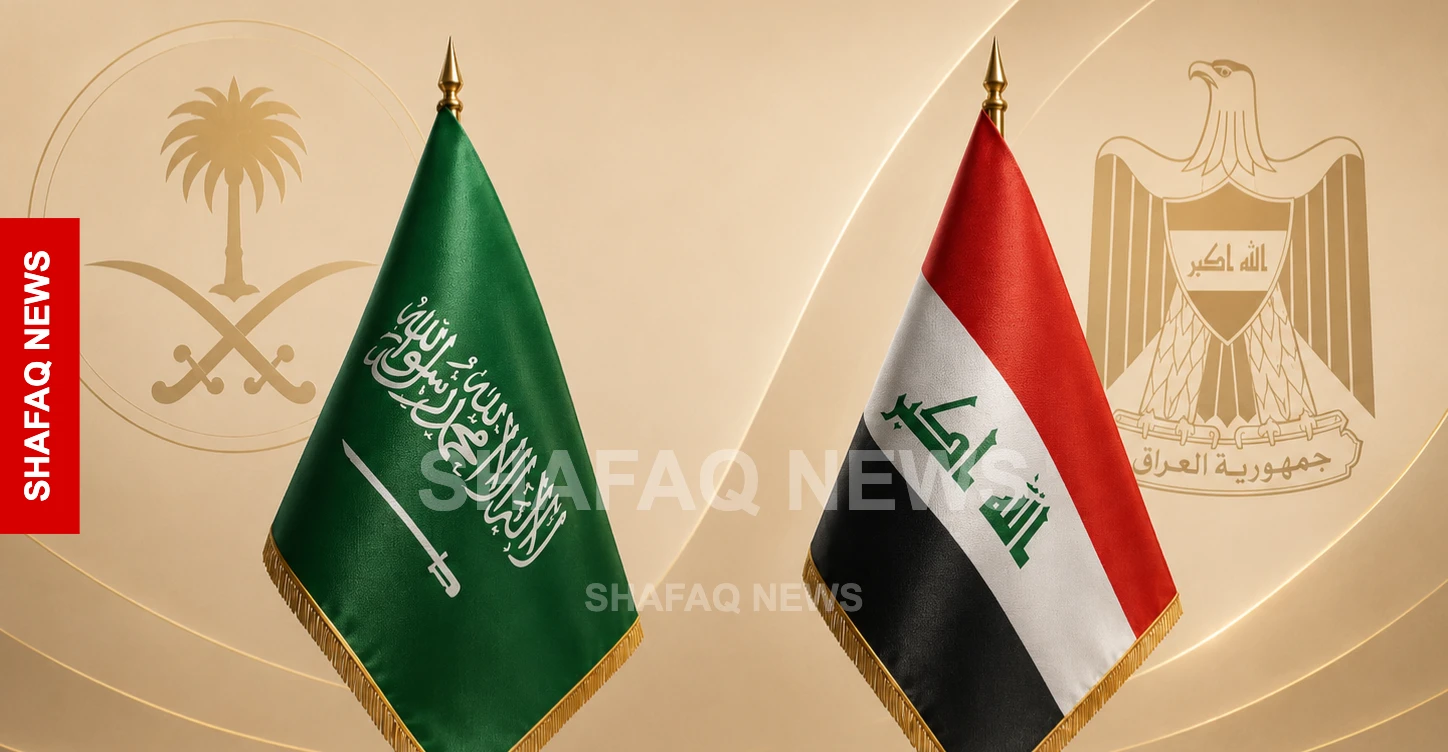 Two Iraqi and Saudi diplomatic sources revealed on Friday details of a meeting held the previous evening in Riyadh, which included delegations from Iraq and Saudi Arabia and representatives of the US Central Command (CENTCOM), to discuss security developments and the issue of armed factions in Iraq.
The Iraqi diplomatic source told Shafaq News Agency that the meeting addressed the latest developments regarding the factions and the options available for dealing with them, without revealing the nature of those options or any further details about them.
According to the two sources, Saudi Defense Minister Prince Khalid bin Salman is overseeing the file and related communications from the Saudi side, while the Director of the Office of the Commander-in-Chief of the Iraqi Armed Forces, Lieutenant General Abdul Amir al-Shammari, is managing a major aspect of the security file in communications between Baghdad and Riyadh.
The Iraqi source indicated that the participation of the head of the Counter-Terrorism Service, Lieutenant General Zaid Hoshi, in the meetings was welcomed by the Saudi side, given that the discussions focused on the measures taken by Baghdad to control the security situation and prevent the recurrence of attacks launched from Iraqi territory.
For its part, a Saudi diplomatic source told Shafaq News that Riyadh views positively the security and military changes being made by Iraqi Prime Minister Ali Faleh al-Zubaidi, considering them to reflect a more serious approach from Baghdad to stop attacks targeting the Kingdom and countries in the region.
He added that Saudi officials now see al-Zaidi as “serious about limiting the ability of factions to carry out attacks against the Kingdom and countries in the region again,” stressing that “security coordination between Baghdad, Riyadh and Washington will continue during the current phase.”
The Iraqi security delegation, headed by Al-Shammari, arrived in Riyadh on Thursday. It included the head of the intelligence service, Hamid Al-Shatri, the commander of the air defense, Lieutenant General Muhannad Al-Asadi, and the head of the counter-terrorism service, Lieutenant General Zaid Hawshi, to hold talks related to drone attacks and security coordination between the two countries.
The Iraqi delegation’s visit came less than a week after Saudi General Intelligence Chief Khalid bin Ali al-Humaidan visited Baghdad and met with al-Zaidi, where the two sides agreed to continue security coordination and information exchange, and the Iraqi Prime Minister stressed that his country’s territory would not be allowed to be used as a launching pad for actions targeting other countries.
Baghdad and Riyadh are trying to contain a sharp escalation of tensions that erupted at the end of July, when Saudi Arabia announced it had intercepted drones that it said were launched from Iraqi territory and targeted oil facilities, before US and Saudi fighter jets carried out strikes inside Iraq on July 29 that CENTCOM said targeted weapons depots and logistical sites of factions linked to Iran.
The Popular Mobilization Forces said that the strikes targeted official headquarters belonging to it in a number of provinces and resulted, according to an initial tally it announced at the time, in the killing of at least 20 of its members and the wounding of 32 others, while armed factions vowed to respond to the United States and Saudi Arabia and gave the Iraqi government a deadline to take a position on the bombing. The escalation at the time led to the suspension of a planned visit by al-Zaidi to Riyadh.
But the contacts that followed the confrontation gradually pushed the two countries to resume their security channels, before a private Iraqi source revealed to Shafaq News Agency on Thursday evening that Saudi Arabia had informed the Iraqi delegation of its intention to return its diplomatic mission to Baghdad within three months or less, in exchange for obtaining guarantees regarding the security of the mission headquarters and its personnel.
The Saudi mission had left Baghdad on March 17, due to the deteriorating security situation and the attacks that the capital witnessed, including drone attacks that targeted the Al-Rasheed Hotel.
Shafaq.com