
“An explanation that needs further explanation”… An economic expert: The Central Bank of Iraq’s statement on the currency did not answer the questions.
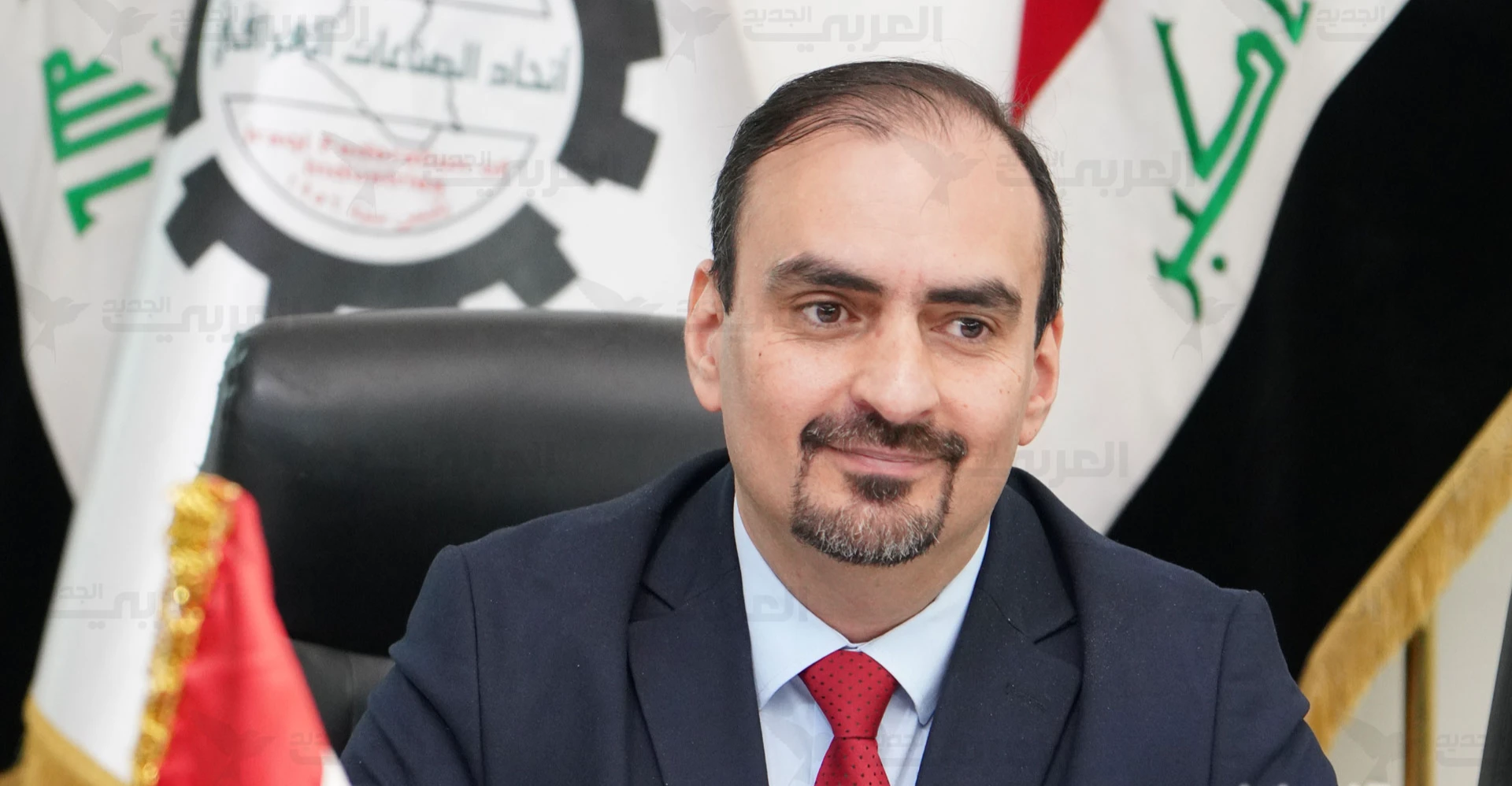 On Monday, economist Manar Al-Obaidi stated that the latest clarification issued by the Central Bank of Iraq lacked answers to many questions regarding the effects of its measures on the monetary and economic reality, demanding that it publish detailed data on the treasury transfer portfolio and its impact on the monetary base.
Al-Obaidi, commenting on the Central Bank’s statement issued on June 7, 2026, said that he agrees with the technical distinction between “discounting treasury transfers” and “printing currency,” but the discussion should focus on the monetary impact of these tools, questioning whether discounting transfers at the Central Bank practically leads to the creation of a new monetary base and the reflection of this on the money supply.
He added that the recovery of treasury remittances at maturity is supposed to be done from real revenues, questioning whether the remittances due are being repaid from actual cash flows or are being rolled over through the issuance of new remittances, which could turn temporary financing into a permanent cash obligation.
Al-Ubaidi called on the Central Bank to publish figures relating to the size of the treasury remittance portfolio and its development during the past months, and its impact on the monetary base, as well as to clarify the reasons for the rise in currency circulating outside banks and its coincidence with the stagnation of deposits and the rise in annual inflation rates.
He also called for clarifying the safeguards that prevent exceptional measures from becoming a permanent policy for financing the deficit, and announcing clear time and quantity limits for this type of financing.
He pointed out that a number of economic indicators, including accelerating inflation and declining monetary indicators, call for more transparency and disclosure, stressing that publishing detailed data is the best way to resolve the ongoing debate about monetary policy and ensure confidence in financial stability.
The Central Bank of Iraq issued a clarification yesterday, Sunday, regarding what is being circulated about the issue of printing currency and financing public expenditures, following statements by Foreign Minister Fuad Hussein indicating that 25 trillion dinars would be printed to confront the financial crisis and provide salaries.
He explained in a statement received by Shafaq News Agency that “there is a fundamental and important difference between ‘discounting treasury bills’ and ‘printing currency’ on both the technical and economic levels; discounting bills provides temporary financial liquidity against an existing government debt instrument, and is repaid when the bill matures. It is an internationally recognized financial mechanism, practiced by major central banks with strict adherence to its maturity dates.”
He continued: “As for (printing currency), it is the issuance of new money without compensation that is injected directly into the economy, which leads to direct inflation and erosion of the currency’s value. It is not recovered and represents a permanent monetary burden, and this is something that is completely prohibited under the Central Bank of Iraq Law No. (56) of 2004. Therefore, the simplified description of the ongoing operations as ‘printing currency’ does not reflect its true technical and financial nature.”
The Central Bank stressed that its primary role is to manage monetary policy, maintain monetary stability, price stability, and the integrity of the financial system, and not to be a permanent channel for financing public expenditures.
Shafaq.com