
International Monetary Fund: Iraq among the countries most vulnerable to financial pressures with rising debt in 2026
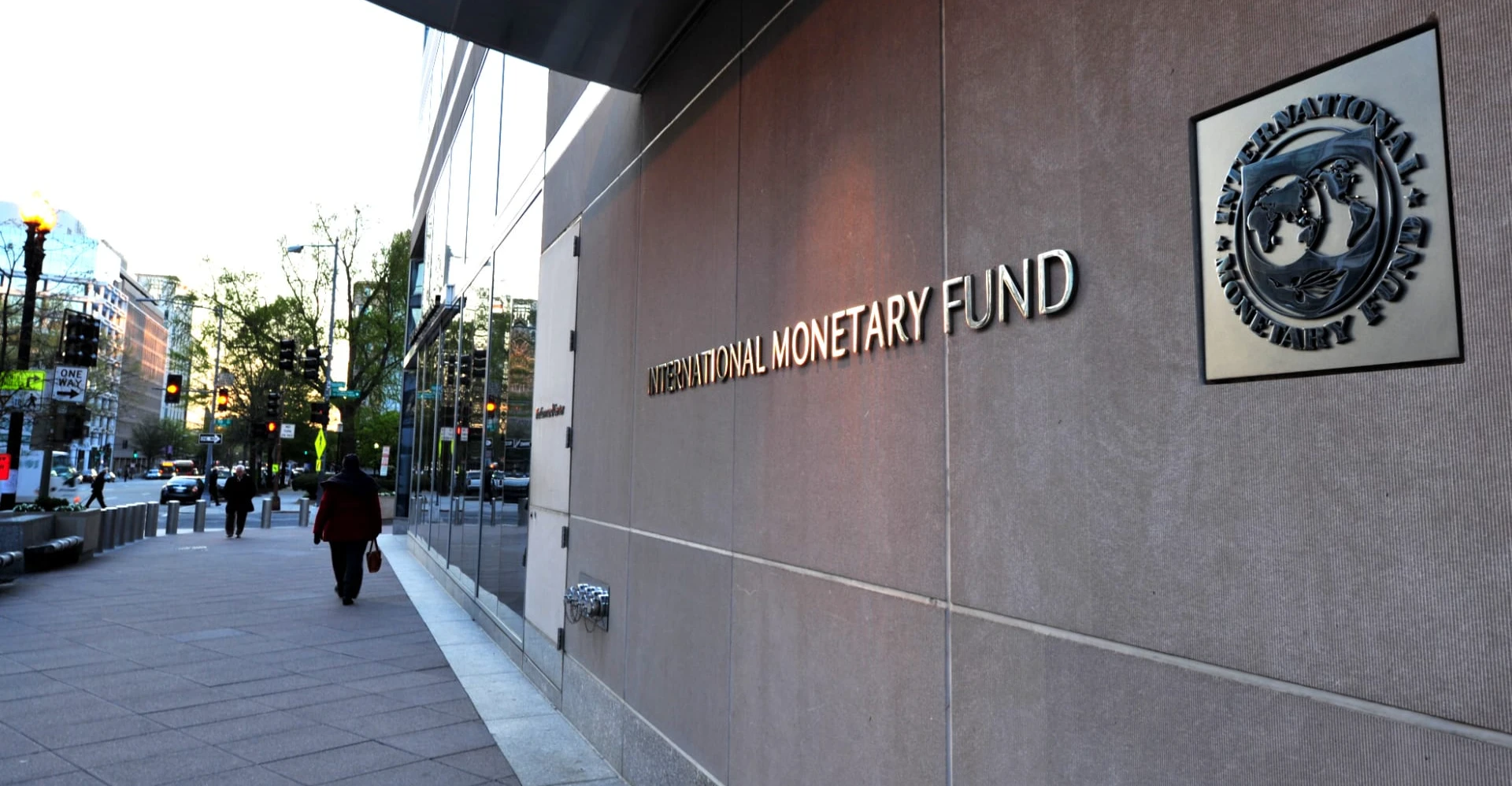 A report issued by the International Monetary Fund showed that Iraq faces increasing financial pressures during 2026, due to the rising cost of government energy subsidies, increasing public debt, and rising borrowing costs in international markets.
According to the report, which was reviewed by Shafaq News Agency, Iraq is estimated to be among the countries with high levels of energy subsidies, with the cost of subsidies reaching less than 6% of GDP, making the general budget more vulnerable to fluctuations in oil and gas prices, and increasing pressure on public finances if global energy prices continue to rise.
The IMF noted that Iraq is among a group of economies that have seen a significant increase in public debt compared to before the COVID-19 pandemic, as debt levels rose significantly in 2026 compared to 2019, within a regional trend that includes a number of countries with high fiscal deficits.
According to the report, this development coincides with rising sovereign borrowing costs in the region, increasing financing pressures on countries with large financial needs, including Iraq, in a global environment characterized by high interest rates and tighter financing conditions.
The Fund stressed that the continuation of these pressures poses challenges to fiscal policies in Iraq, especially with regard to the need to control spending, redirect subsidies, and enhance fiscal sustainability within medium-term frameworks, while maintaining the ability to finance basic services in light of the fragile regional economic environment.
Shafaq.com