
Maliki… A third term: a political dilemma or a wise decision?
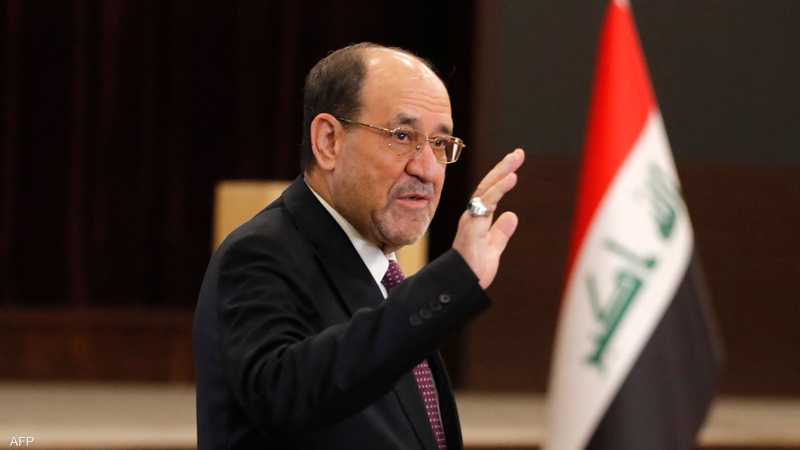 Iraqi political circles followed with interest the outcome of the nomination of Mr. Nouri al-Maliki for the Iraqi premiership for the third time by the majority of members of the Coordination Framework, and took into account its international and regional dimensions and interests after a tweet by US President Donald Trump in which he stated that he had heard of “a very bad choice to reinstall Nouri al-Maliki as president,” and pointed out that “the last time Maliki was in power, he plunged the country into poverty and chaos. This must not be repeated.” He added, “If he is elected, the United States will not provide any future assistance to Iraq.”
Some members of the Coordination Framework failed to act wisely or rationally in dealing with the American position. Instead, they persisted in their support for Maliki, disregarding the higher interests of the Iraqi state and the importance of its political and economic relationship with the United States. Maliki remained steadfast in his insistence on remaining Prime Minister, despite internal opposition and calls from key figures within the Coordination Framework to distance themselves from the nomination process and choose another political figure to preserve Iraq’s security and stability and shield it from any major economic crises. These crises could arise from the American administration’s refusal to cooperate and offer advice on all political, military, and economic levels, which would inevitably impact the country’s internal situation.
As the push to maintain Maliki’s political option and retain him as Prime Minister continued, the American administration, through several messages sent to Iraqi politicians, threatened to impose broad economic sanctions targeting the Central Bank of Iraq, SOMO (State Oil Marketing Organization), the Ministries of Defense and Interior, and all entities and individuals seeking Maliki’s return and election for a third term.
Given these American political stances and the continued rejection of al-Maliki, the Coordination Framework must make sound decisions that preserve Iraq’s standing and prevent any further deterioration or the imposition of broad sanctions that would harm the Iraqi people, exacerbate their suffering and economic crises, and weaken their political system.
The Center for Political Studies and Research, in its monitoring and interest of Iraqi affairs, believes that Mr. al-Maliki has no remaining political prospects of assuming the premiership, and that international and regional rejection has reached significant proportions through the threat of economic sanctions and the refusal to cooperate and establish a strategic partnership with the United States. If the Coordination Framework does not make a wise political decision by selecting a figure from among its members or an independent candidate, it will expose the country to a political crisis and effective economic sanctions. It must prioritize Iraq’s interests above any narrow personal, factional, or partisan considerations, and the supreme interest of the Iraqi people must be the true determinant, the foundation, and the central focus in preserving Iraq, its standing, and its leading regional and international role.
Rawabetcenter.com