
Finance in Iraq: Financial chaos and potential risks
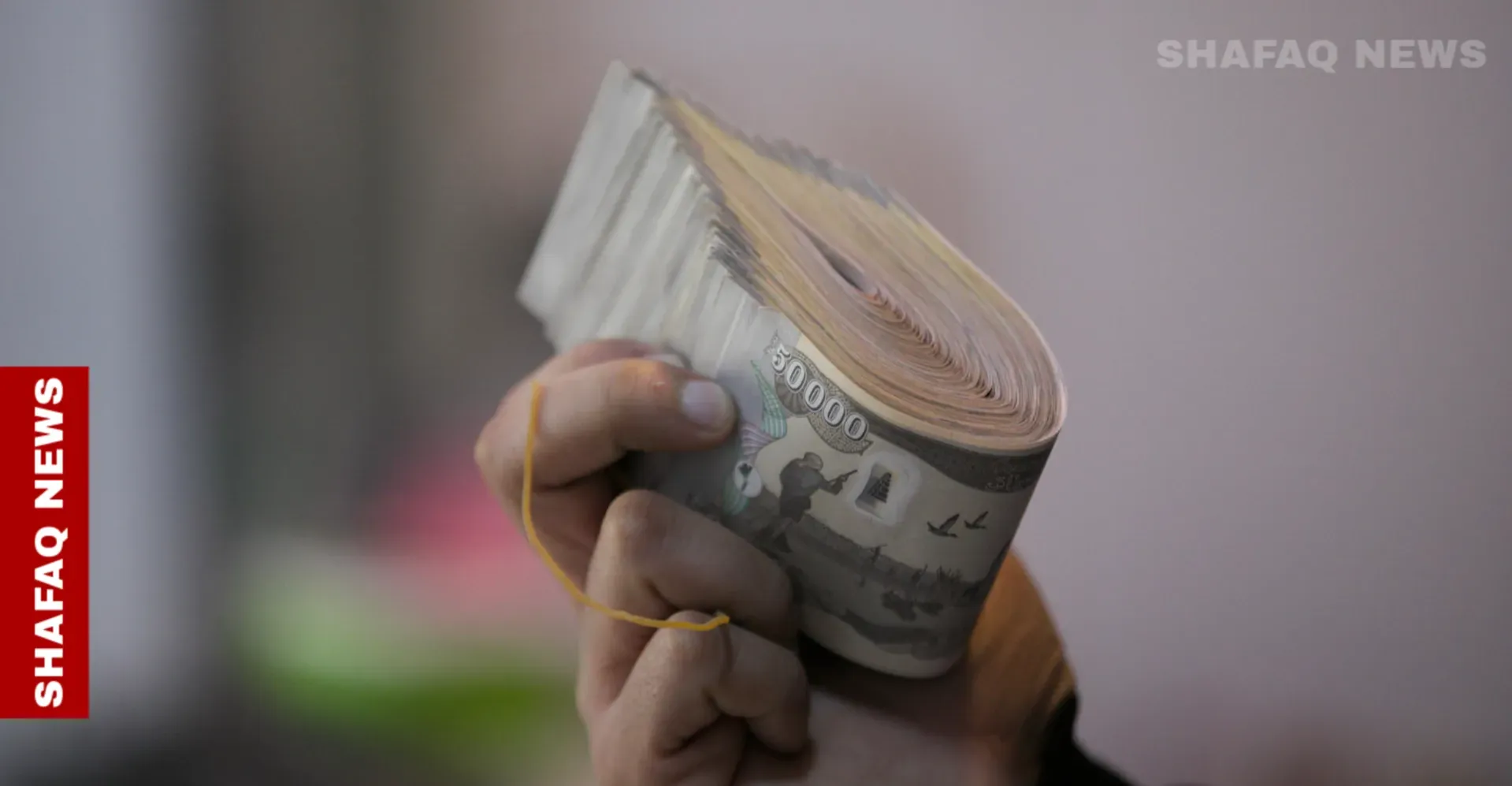 For months, Iraq has been experiencing a clear disruption in the implementation of service and investment projects, as a result of the delay in sending the 2025 budget schedules to Parliament, and the accompanying administrative paralysis and funding stoppage.
The continued application of the 1/12 monthly rule, according to Financial Management Law No. 6 of 2019, has resulted in the inability to finance new projects or complete stalled ones, which has cast a heavy shadow on ministries, governorates and implementing companies, and has led to a decline in basic services and an increase in the levels of delays in completion.
The effects of this delay are compounded by the political and technical disputes that have disrupted the completion of the budget schedules, in addition to the widespread criticism of the previously imposed three-year budget (2023–2025), which experts believe opened the door to manipulation of public funds and was not implemented transparently, thus exacerbating the financial turmoil and delaying the funding of vital projects.
Deteriorating services
Meanwhile, MP Mahma Khalil, who won the recent parliamentary elections, says that the budget delay has negatively impacted the level of services and projects, as the astronomical three-year budget for the years 2023-2024-2025 was not spent transparently and was marred by numerous suspicions that led to the stagnation of service projects.
Khalil adds to Shafaq News Agency that the spending in the three-year budget gave the government leeway to manipulate public funds, considering it a resounding failure that necessitates demanding final accounts to know the true size of spending, especially since the 2025 budget has not yet been completed despite the approaching end of the year.
For his part, Baghdad Provincial Council member Amer Dawood Al-Faily told Shafaq News Agency that the lack of budgets has disrupted projects in general, noting that the Baghdad Provincial Council’s budget for 2025 has not been released yet, which has caused obstruction of service projects and delays in payments to implementing companies.
According to Al-Faily, the problem is clearly evident in the projects department of the Baghdad Municipality, where implementing companies stopped working due to the lack of funding, which directly affected services in the capital and caused a decline in completion levels in vital sectors.
reformist vision
In contrast, former member of the parliamentary finance committee, Mu’in al-Kadhimi, explains that there is a trend within the coordination framework to address past mistakes by approving a “real” budget in which unnecessary expenditures are reduced and revenues and levies are increased.
Al-Kadhimi, speaking to Shafaq News Agency, points to the need for political solidarity within the state administration coalition, along with popular understanding of the nature of the upcoming financial phase.
It is also expected that the 2026 budget will amount to only 150 trillion dinars, after the 2025 budget was at the level of 211 trillion dinars, but only 150 trillion dinars were actually spent, which confirms the need for a more realistic budget that is commensurate with the available revenues and reduces waste.
Shafaq.com