Preliminary “unofficial” results of the parliamentary elections in Baghdad, Babylon, and Maysan
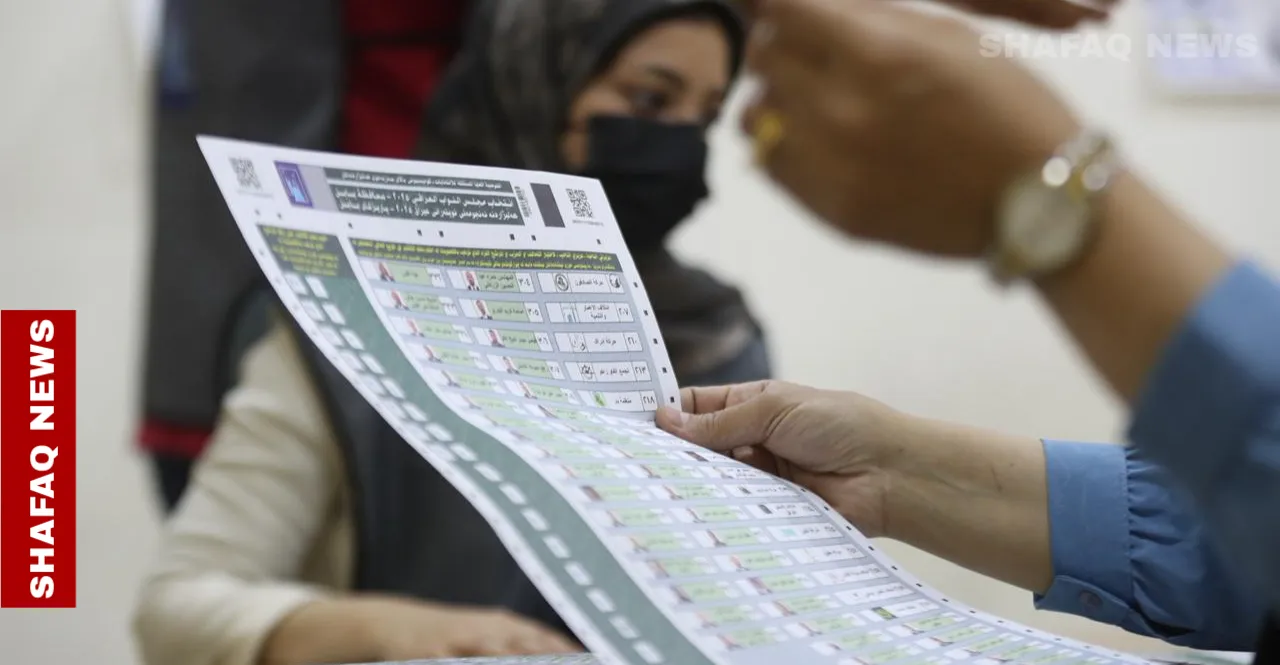 An informed source revealed on Wednesday preliminary “unofficial” results for the parliamentary elections in the governorates of Baghdad and Babylon, within the general vote that took place on Tuesday, indicating that the results do not include the special vote and are subject to change after it is added.
The source told Shafaq News Agency that “the initial results in Baghdad Governorate showed that the Reconstruction and Development Coalition obtained more than 250,000 votes, winning 15 seats, while the State of Law Coalition obtained more than 200,000 votes, winning 10 seats, and the Sadiqun bloc obtained more than 100,000 votes, winning 5 seats.”
He added that “the State Forces Alliance obtained more than 80,000 votes and 4 seats, and the Foundation Alliance obtained more than 70,000 votes and 4 seats, while the Rights Bloc obtained more than 50,000 votes and 2 seats, and the Badr Bloc obtained more than 50,000 votes and 2 seats as well.”
Regarding the Sunni blocs, the source indicated that “the Progress Party obtained more than 150,000 votes and 8 seats, while the Azm Party obtained more than 70,000 votes and 3 seats, and the Sovereignty Party obtained more than 70,000 votes and 3 seats.”
He explained that “other blocs such as Al-Hasm, Ishraqat Kanoun and Al-Khidmat received between 20,000 and 35,000 votes, which gave each of them one or two seats.”
Regarding Babil Governorate, the source explained that “the initial results included only the general vote, as the number of voters reached about 408,000 votes, distributed among the electoral lists as follows: the Reconstruction and Development Coalition more than 75,000 votes (3 seats), the Sadiqun Bloc more than 70,000 votes (3 seats), the State of Law Coalition and Ishraqat Kanun more than 50,000 votes (two seats each), while the State Forces and Services Alliance and Badr obtained more than 50,000 votes each, which qualifies them to obtain one parliamentary seat for each alliance.”
In Maysan Governorate, according to the same source, the results showed that the Reconstruction and Development Coalition topped the lists with 60,000 votes, followed by the Badr Bloc with 32,000 votes, while the State of Law Coalition and the Sadiqun Bloc each received 29,000 votes.
The State Forces Alliance received 27,000 votes, the Rights Movement received 11,000 votes, while independent MP Raed Al-Maliki received about 9,800 votes.
The source concluded by saying that “these results are preliminary and subject to change, as the number of votes and seats will change after the special voting results are added to the final totals.”
The number of seats allocated to Maysan Governorate is 10 seats, and they will be distributed among the lists according to the Sainte-Laguë 1.7 system after calculating the final results, including the special voting votes, which may cause changes in the final seat ranking.
The preliminary results are scheduled to be officially announced by the Independent High Electoral Commission 24 hours after the closing of the ballot boxes.
Shafaq.com

 Imran Karkoush, a member of the State of Law Coalition, ruled out the possibility of alliances that could overturn the political process, noting that political parties from other components should deal with the current realities and move towards the largest bloc to ensure the formation of the new government.
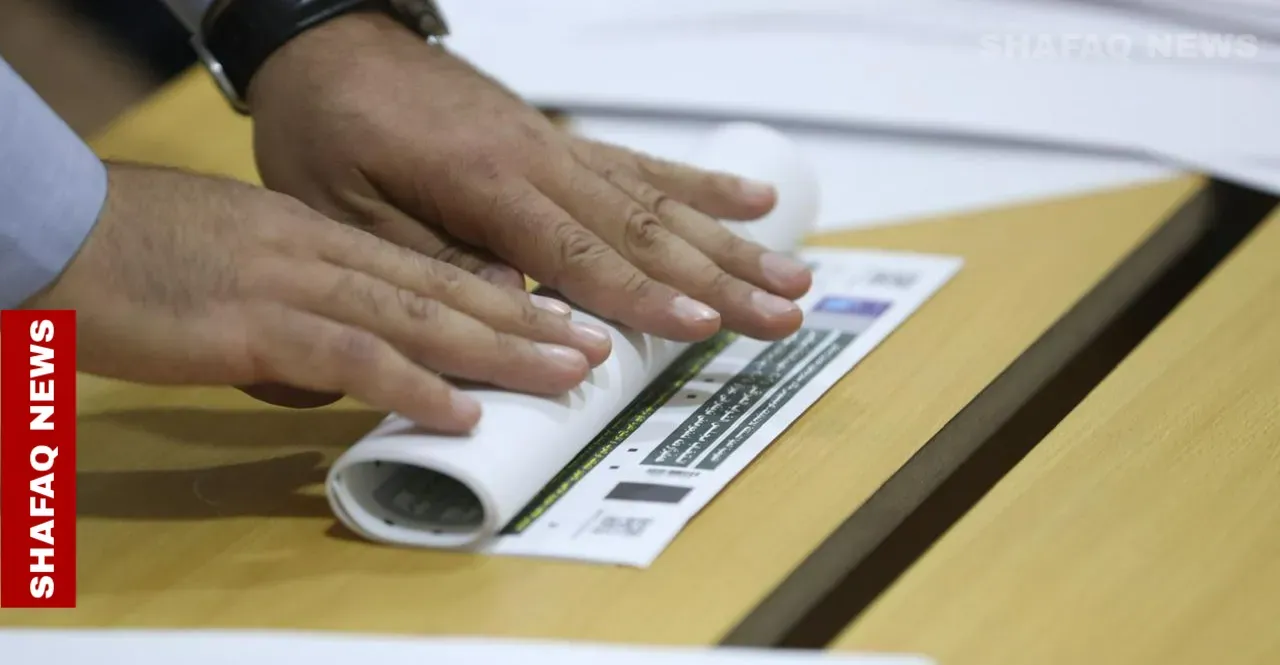 The Iraqi Electoral Commission revealed on Monday the date for announcing the final results of the sixth parliamentary elections.
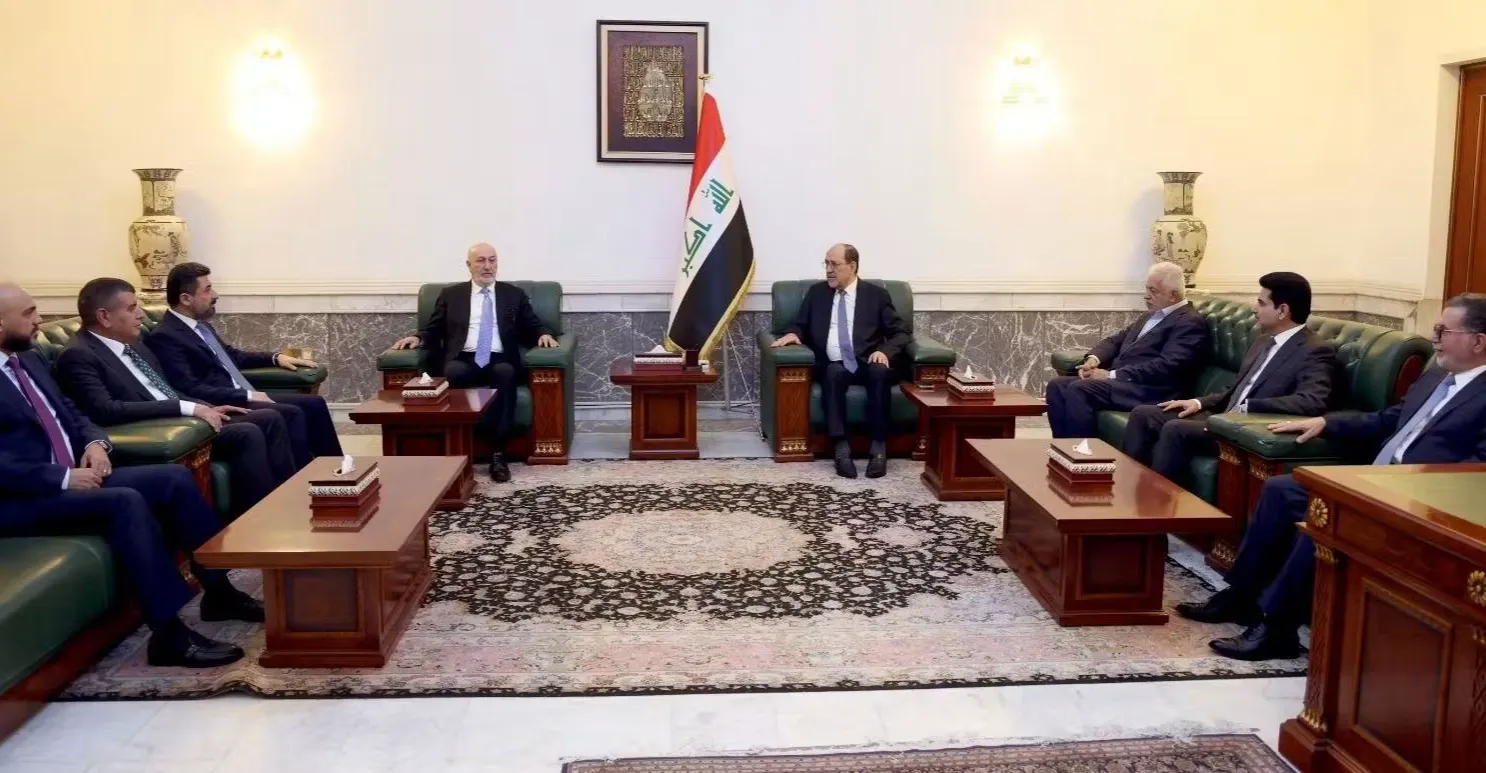 On Monday, Nouri al-Maliki, head of the State of Law Coalition, called for continued efforts to form a “strong government” during his meeting with delegations from the National Approach Alliance and the Patriotic Union of Kurdistan Party.
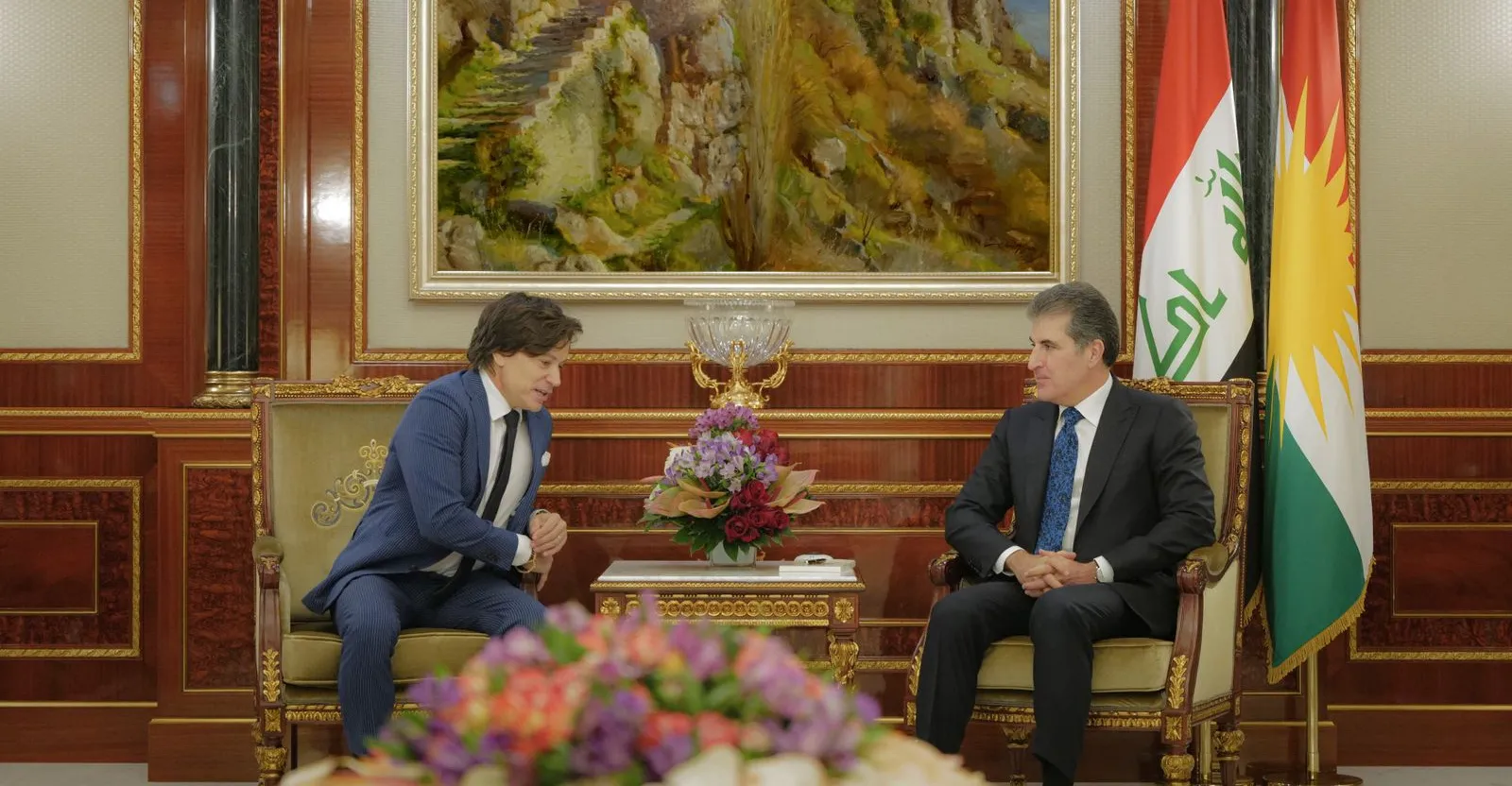 The President of the Kurdistan Region, Nechirvan Barzani, discussed trade relations between Washington and Erbil with a delegation from the US Business Council.
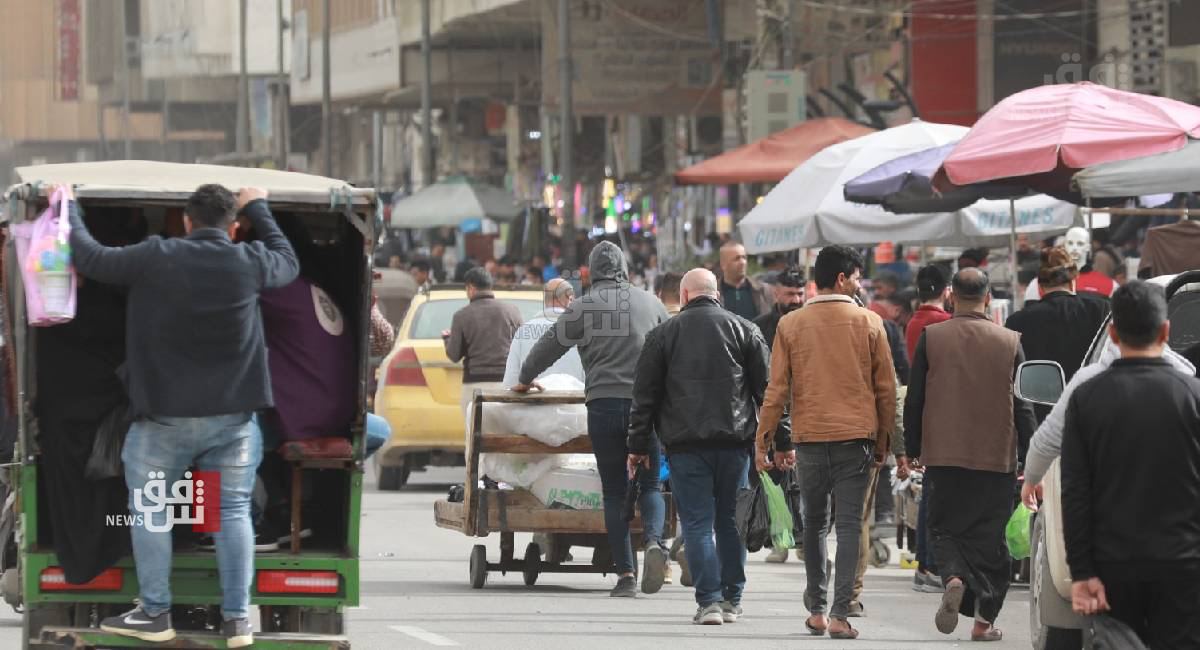 The Iraqi economy is poised for a more stable growth trajectory in the coming years, following a slight contraction of 0.2% in 2024, according to data from the International Monetary Fund.
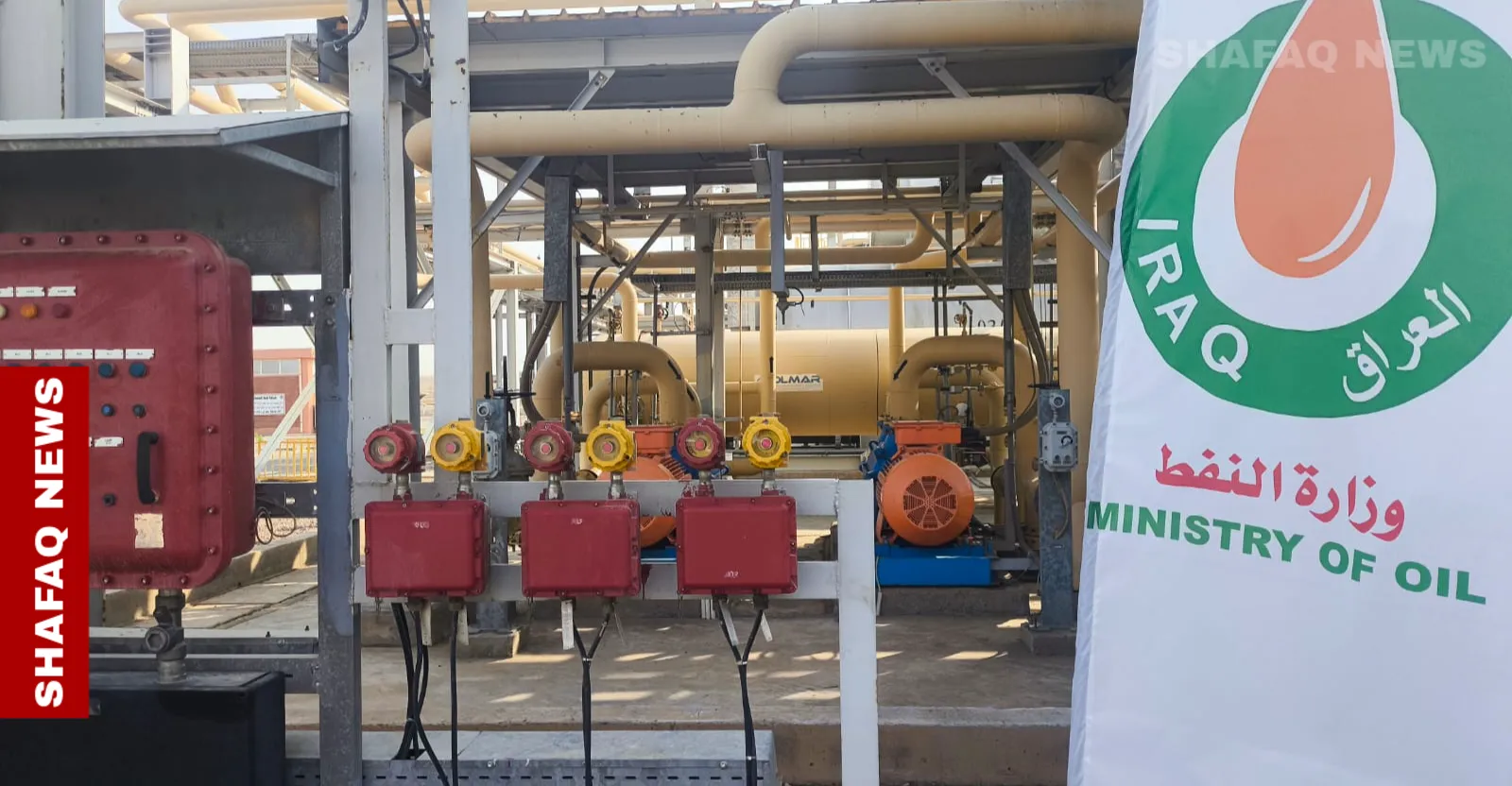 Iraq’s State Oil Marketing Company (SOMO) announced on Wednesday that Iraq exported more than 2 million tons of oil derivatives during the third quarter of 2025.
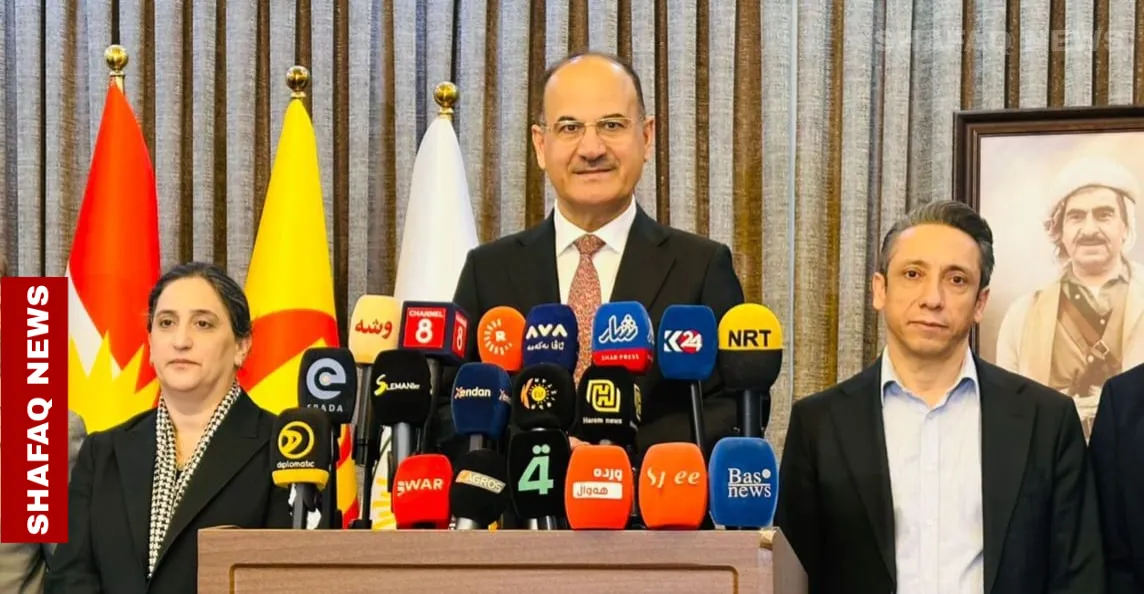 Ali Hussein, an official in the Kurdistan Democratic Party’s organizational office in Sulaymaniyah, Halabja, and Raparin, confirmed on Wednesday that the Kurdistan Democratic Party topped the results of the Iraqi parliamentary elections and obtained first place in the number of votes.
 The Central Bank of Iraq announced on Wednesday that it had recorded a decline in the growth of deposits at banks operating in Iraq for the month of September, while the growth of credit increased.