Intensifying efforts to raise Iraq’s credit rating
 The government has intensified its efforts to achieve the highest international credit rating, given the importance of this step in gaining the confidence of international investors, facilitating the attraction of foreign investments, reducing borrowing costs, and enhancing confidence in the national economy.
The process of raising the credit rating contributes to supporting structural reforms and enhancing the ability to obtain financing from international institutions. It is an important indicator of the state’s ability to meet its obligations, which encourages sustainable economic development.
A few days ago, Fitch Ratings confirmed in its latest report that it had maintained Iraq’s sovereign rating at “B-” with a stable outlook, reflecting international confidence in the Iraqi economy’s ability to maintain its financial and credit stability despite current global and regional challenges.
In this regard, economic expert Alaa Fahd believes that the country needs investment, especially foreign investment, at the present stage, to carry out infrastructure projects and major projects, stressing the need to create a suitable environment for investment, whether legal, legislative, economic, or financial, by providing financial and banking facilities.
Government efforts
In an interview with Al-Sabah, Fahd expressed his hope that investment contracts would be free from corruption, as this would raise Iraq’s credit rating. He noted that the country is currently rated B- according to the latest report from the international credit rating agency Fitch, which confirmed that Iraq is a “stable environment.”
He explained that stability paves the way for a higher rating by creating a conducive financial environment, combating corruption, and establishing a suitable legislative framework to support investments. He emphasized that the steps taken by the government and the Central Bank, in cooperation with international financial institutions, to attract investment, particularly in sectors that generate profits and economic savings, such as the Development Road, the Faw Port, and also investment in the oil sector and manufacturing industries, as well as investment in the housing sector, economic cities, smart cities, and the banking sector, have contributed to achieving this rating.
Ways of cooperation
The spokesperson added that many countries have greatly benefited from foreign investment, emphasizing the importance of providing government support and finding avenues for cooperation to ensure investment becomes a driving force in Iraq, as many other countries have achieved, creating an attractive investment environment by eliminating bureaucracy. In this context, Dr. Maitham Adham Al-Zubaidi, Vice President of the Competition and Monopoly Council, stated that attracting investment to Iraq requires addressing the structural factors that influence investor decisions, primarily reforming the banking system, ensuring exchange rate stability, and establishing clear monetary policy. He noted that these factors play a crucial role in building trust and providing a predictable financial environment.
Al-Zubaidi told Al-Sabah that reform remains incomplete unless it is complemented by strengthening governance and transparency, especially in the Iraq Stock Exchange, by protecting shareholders’ rights, ensuring disclosure, and transforming the market into a real tool for financing companies and not just a limited trading platform with an economic concentration in the banking sector to the exclusion of other sectors. He pointed out that simplifying administrative procedures is a necessity of no less importance, as the multiplicity of granting bodies and licensing committees and the conflict of classifications of economic activities constitute a burden on the investor.
Pivotal steps
He added that unifying activity classification systems among licensing and business registration bodies and regulatory authorities, such as the ISIC4 system, is a pivotal step toward reducing overlaps, preventing conflicting interpretations, and building a unified government economic data portal accessible to the public. This portal will accurately serve investors and feasibility study makers. He emphasized that infrastructure, particularly in communications and transportation networks, forms the foundation upon which any economic activity rests, and its development requires liberalizing competition and preventing monopolies, along with effective regulation that ensures a level playing field. By linking these three paths within a clear governance framework, Iraq can transition from an economy that repels investment to one that is attractive and sustainable.
Alsabaah.iq
 The International Trade Centre, a United Nations agency, confirmed that Iraq has made clear progress in its steps towards joining the World Trade Organization.
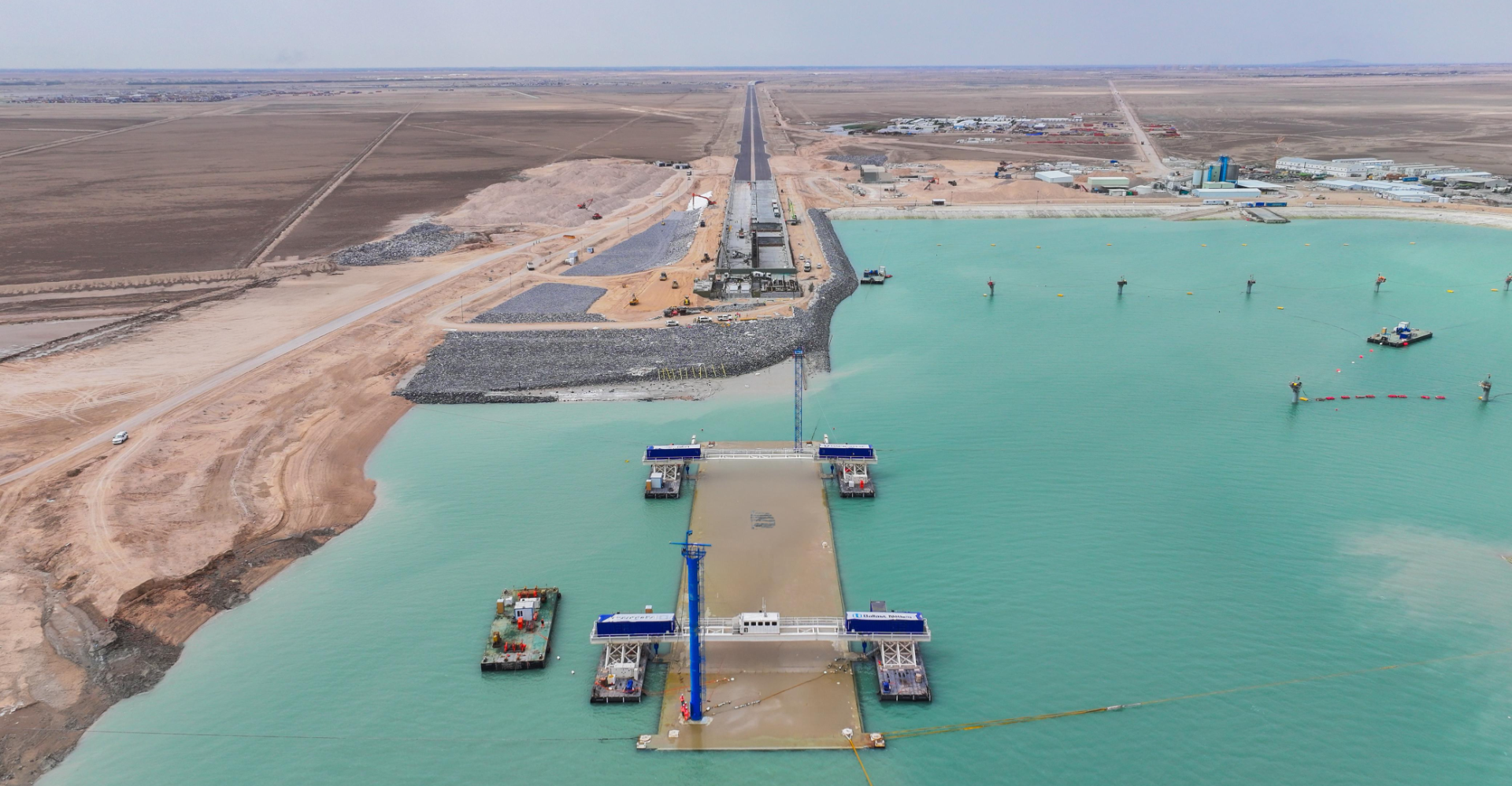 The Director General of Iraqi Ports, Farhan Al-Fartousi, announced today, Monday, that Iraqi ports ended 2025 with advanced operational and financial indicators, stressing the company’s readiness to enter 2026 with economic and commercial change plans, while indicating the start of operations during 2026 for the Grand Faw Port.
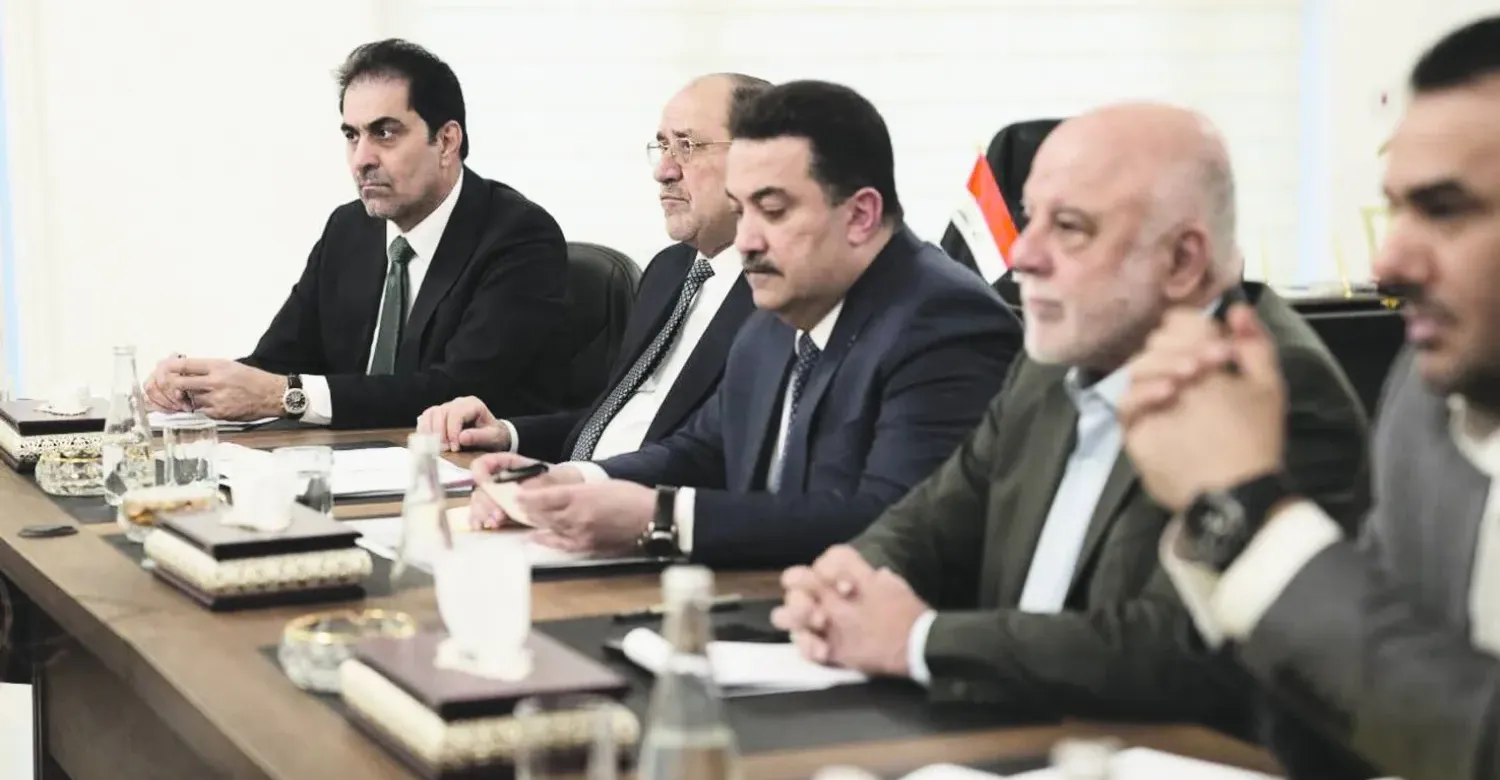 On Monday, Fahd al-Jubouri, a leader in the Hikma Movement, revealed the priorities of the meeting of the leaders of the coordinating framework that includes the Shiite forces, which is scheduled to be held this evening, to decide on the selection of the new prime minister and the issue of electoral entitlements.
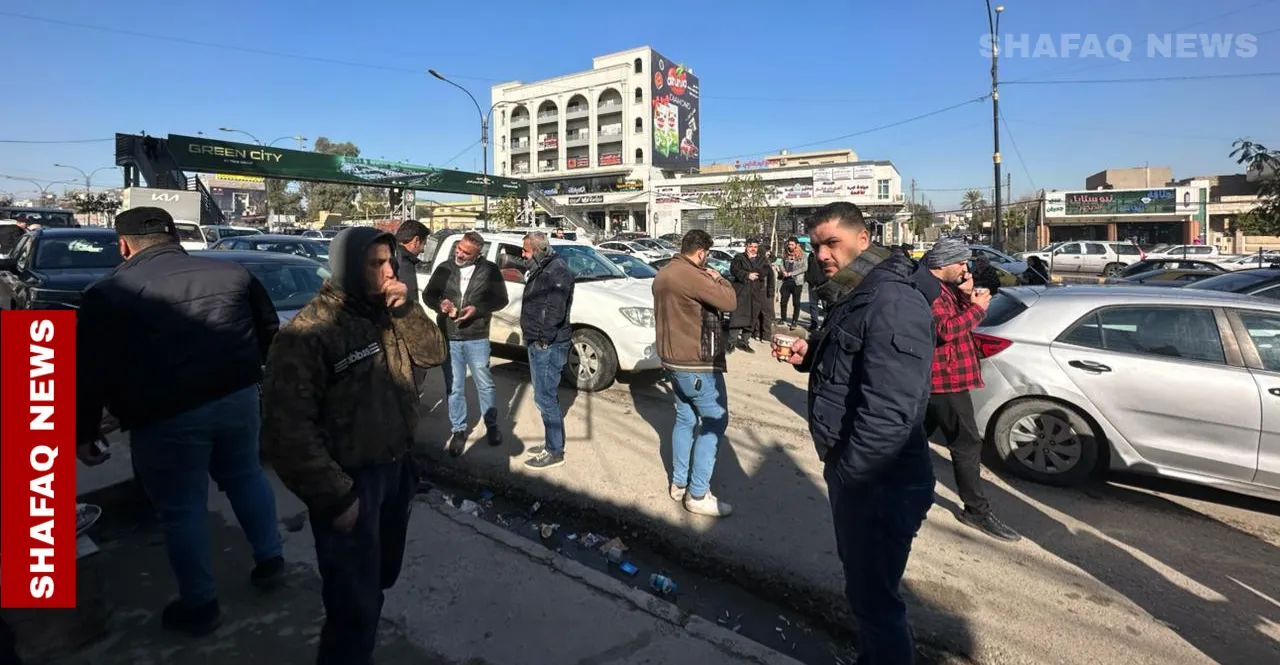 On Monday, Abdullah Al-Jiro, the head of the money changers’ union in Nineveh Governorate, revealed a cash liquidity crisis affecting banks in Mosul, which has delayed payments to money changers, prompting some of them to spend the night in front of banks hoping to receive their money.
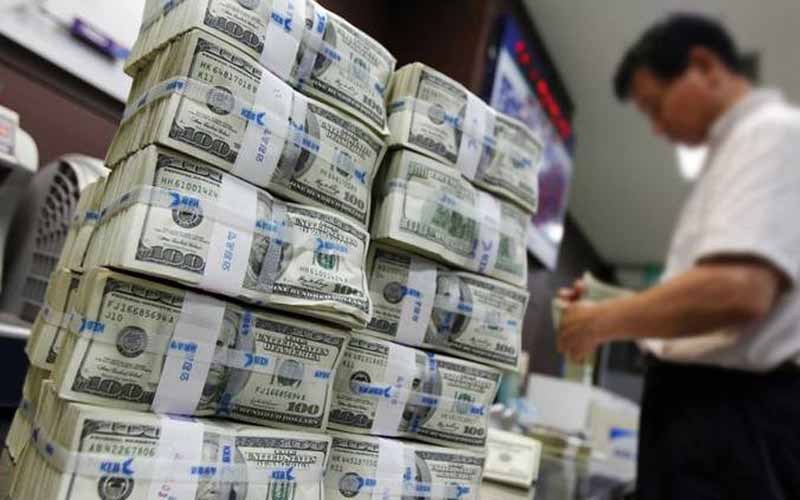 The Prime Minister’s Advisor for Financial Affairs, Mazhar Muhammad Salih, confirmed Sunday, January 4, 2026, that the fluctuation in the exchange rate is “temporary” and does not reflect a structural imbalance, especially since it has practically become detached from the level of income and consumption, and its effect has been transferred to the asset sector, which is not directly related to the stability of daily living.
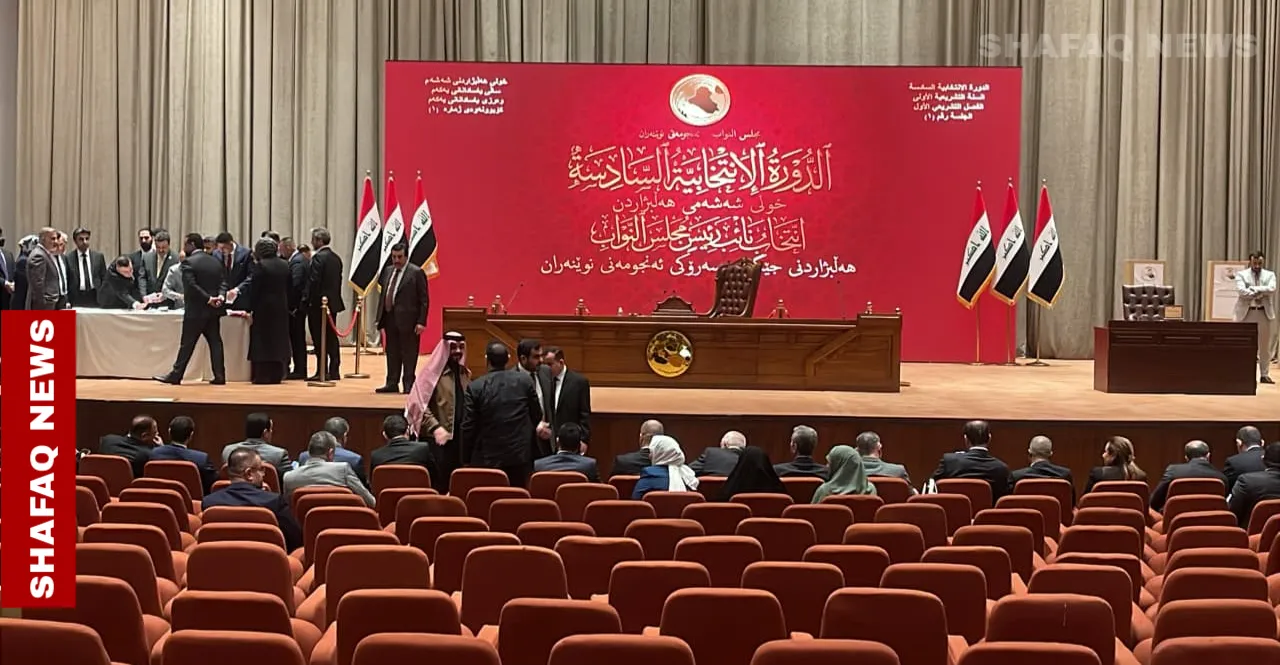 On Tuesday evening, members of the Iraqi Parliament elected Farhad Amin Atrushi, a member of the Kurdistan Democratic Party, as the second deputy speaker of the parliament, after a third round of voting was held due to the failure to achieve a parliamentary majority in the previous two rounds, in which Shakhwan Abdullah, a member of the Kurdistan Democratic Party, competed with Ribwar Karim, a member of the Al-Mawqif bloc, on Monday evening.