The banking sector and the new public
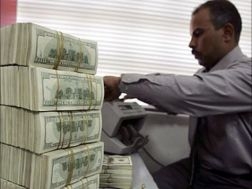 The past year, 2025, witnessed tireless activity at various levels in the pursuit of achieving the desired banking reform in Iraq.
On the one hand, the outgoing government made strenuous efforts to reform the state-owned banks, which included merging some banks and making the decision to split Al-Rafidain Bank into two banks. These measures were described as being part of the reform of the state-owned banking sector.
On the other hand, the Central Bank of Iraq, as the supervisory and regulatory body for the work of private (national) banks, played a pivotal role in advancing the reform of this sector, by taking important steps during 2025, the most prominent of which was bringing in the global company “Oliver Wyman”, which is one of the consulting companies specializing in the development of banking and financial systems.
This contract aims to elevate the private banking sector to meet international standards, especially since Iraq is about to enter a phase of developmental and reconstruction renaissance that requires a robust banking sector capable of meeting the needs of international companies wishing to invest in Iraq, after the wars and crises that the country has gone through that have deeply affected its economic structure.
Oliver Wyman established strict conditions and clear requirements for achieving banking reform, obligating banks to comply and emphasizing that those lagging behind or failing to comply could be forced out of the banking sector. These conditions included: increasing bank capital, encouraging bank mergers, and adhering to international standards for governance, solvency, and risk management.
According to the available data, most banks have responded to these requirements and agreed to bear the costs of consultations and repairs.
This raises a fundamental question commensurate with the scale of this response:
After the banks have fulfilled their obligations, what rights and facilities should they receive to enable them to provide banking services that meet the standards of international banks?
Banking experts believe that successful banking reform is a reciprocal process. After banks commit to the new standards, there is an urgent need for an incentive package to help them conduct their banking activities efficiently, especially since a large portion of banks are still subject to various sanctions.
These stimulus packages include financial and funding support, technical assistance and institutional capacity building, regulatory flexibility and a phased approach to implementing requirements, infrastructure and technological system reforms, and opportunities for growth and regional and international partnerships. The success of banking reform depends not only on enforcement but also on integrating obligations with rights and building a banking environment capable of supporting comprehensive economic development in Iraq.
Finally, reforming the banking sector in Iraq cannot be measured solely by the number of regulations or the stringency of the conditions, but rather by its ability to become a genuine engine for economic development. Banks that have responded to the reform requirements and complied with international standards, in turn, need a supportive regulatory environment and practical incentives that enable them to fulfill their natural role in financing, investment, and driving economic growth. Successful banking reform is a balanced partnership between the regulatory authority and the banks, based on the exchange of obligations and rights, a phased implementation, and addressing structural challenges, foremost among them sanctions, weak infrastructure, and limited financing tools. Without this, reform could transform from an opportunity for advancement into a burden that hinders the sector’s effectiveness.
With the start of a new year, the opportunity remains to build a modern, robust Iraqi banking sector that is integrated into the global financial system and capable of meeting the requirements of reconstruction and sustainable development, provided that the reform process is completed with a comprehensive vision that balances discipline and empowerment, and oversight and incentives, in a way that serves the national economy and enhances confidence in the banking system.
Alsabaah.iq
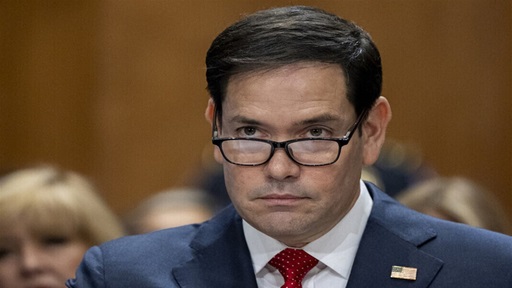 The United States welcomed on Thursday Iraq’s initiative to detain members of the ISIS terrorist organization in secure facilities.
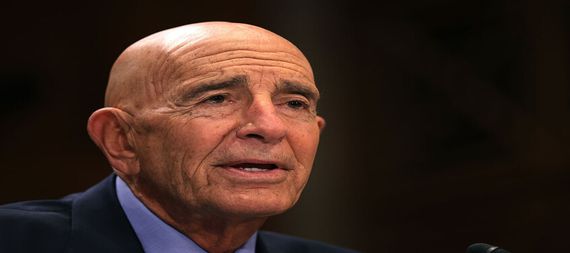 The US President’s Special Envoy to Syria, Thomas Barak, praised Iraq’s contributions to promoting stability in the region, describing them as “indispensable”.
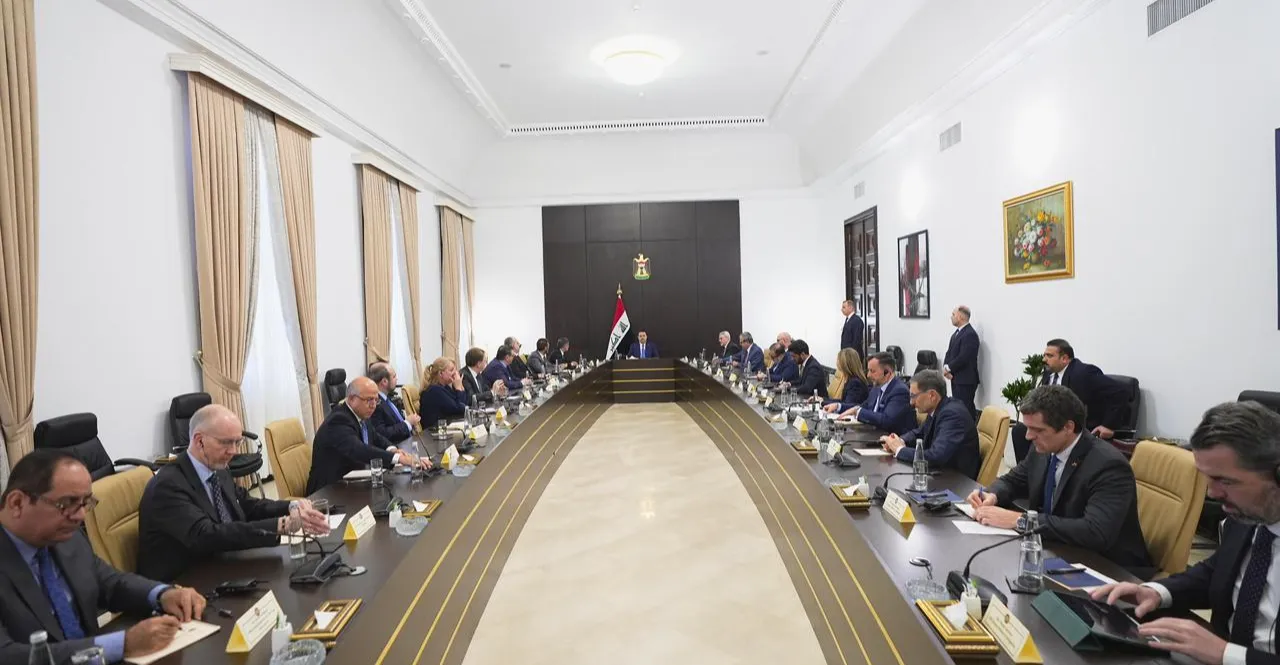 Outgoing Prime Minister Mohammed Shia al-Sudani confirmed on Tuesday that Iraq is in contact with Iran and America to find a platform for dialogue between them in Baghdad, noting that the principle of restricting weapons to the state enjoys national consensus and has now become acceptable.
 The head of the Federal Integrity Commission, Mohammed Ali Al-Lami, affirmed on Tuesday that one of our main objectives is to support investors and protect them from extortion. A statement from the commission indicated that “the head of the Federal Integrity Commission, Mohammed Ali Al-Lami, discussed during a meeting with a representative of the World Bank mission ways to enhance transparency standards in contracts and projects funded by the World Bank.”
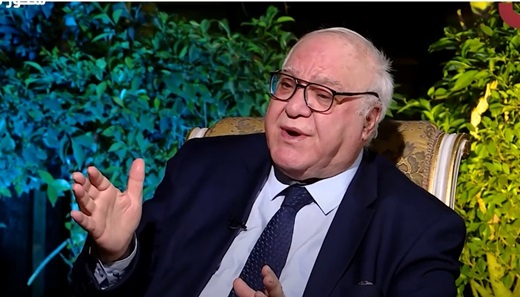 The Prime Minister’s financial advisor, Mazhar Muhammad Saleh, outlined six key measures on Monday to regulate the gold market, noting that the Gold City project is a strategic initiative to protect one of the nation’s greatest assets.
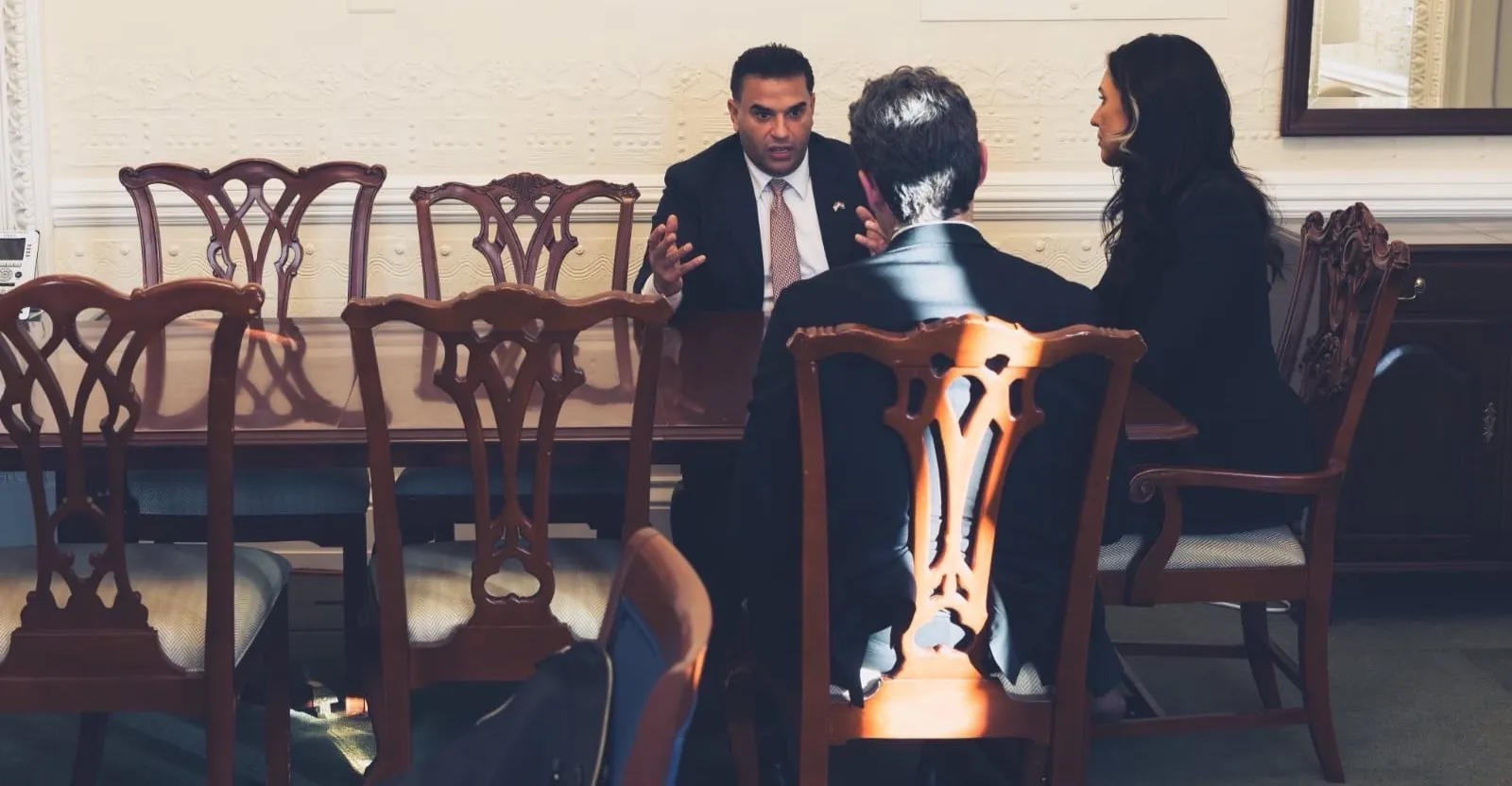 Mark Savaya, President Donald Trump’s envoy to Iraq, affirmed on Monday his commitment to pursuing “militias” and enhancing Iraq’s security and stability.
 The Central Bank of Iraq revealed on Monday that the volume of currency in circulation rose to more than 93 trillion dinars during October of 2025.
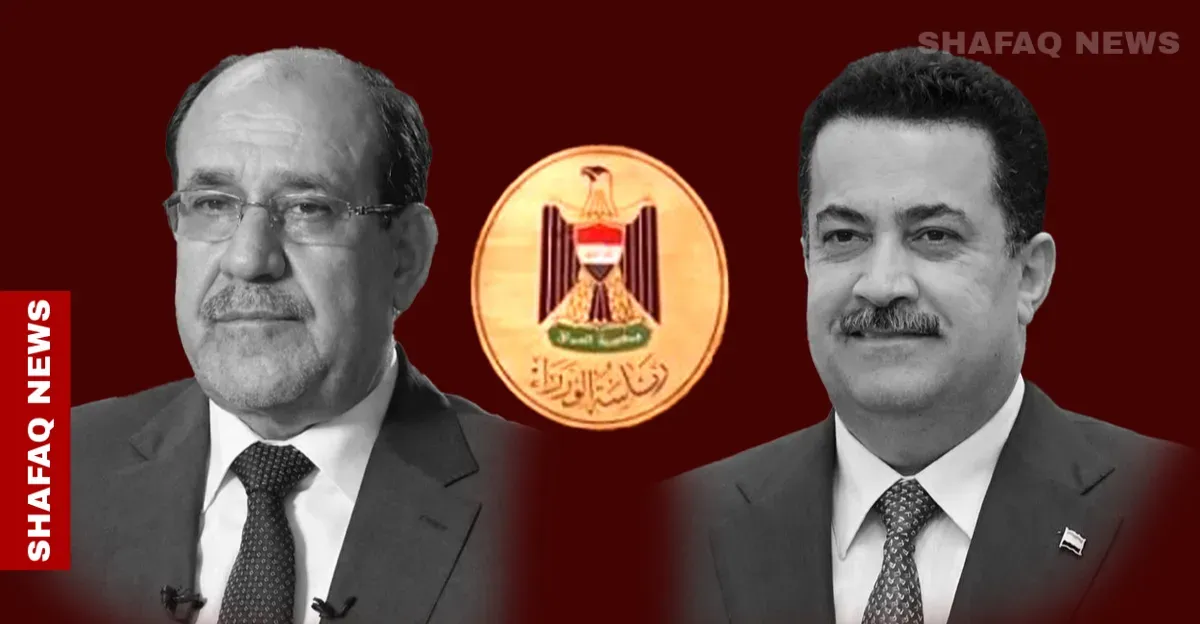 A source within the coordinating framework that brings together the ruling Shiite political forces in Iraq revealed on Monday that the Reconstruction and Development Coalition, led by caretaker Prime Minister Mohammed Shia al-Sudani, was given the largest share of ministries. Meanwhile, a politician close to the framework confirmed that the nomination of former Prime Minister and leader of the State of Law Coalition, Nouri al-Maliki, as head of the next government will be decided at the framework’s next meeting.
 The Securities Commission announced on Monday the launch of a strategy for the years 2026-2028 to develop the capital market and enhance investment. The head of the Securities Commission, Faisal Al-Haimas, stated in a statement that “the Securities Commission’s strategy for the years 2026-2028 has been launched, which aims to develop the Iraqi capital market and enhance its efficiency, in a way that contributes to supporting the national economy and creating a stable and safe investment environment in line with international standards and best practices.”