Iraq reassesses its policies with the adoption of a new price for the dinar
 BAGHDAD – Iraq revalued its currency, which had collapsed against the US currency, just over two weeks after replacing the central bank governor as part of an effort to stabilize the exchange market.
On Wednesday, the Central Bank began selling the dollar at the new official price at 1,300 dinars, instead of the previous price at 1,450 dinars, hours after the government approved a recommendation from monetary decision-makers to ease pressures on individuals and companies.
The Central Bank confirmed in a statement published by the Iraqi News Agency that it will continue its procedures until the stability of the new exchange rate, and said that it “is seeking to achieve its goal of stabilizing the general level of prices to protect the purchasing power of citizens.”
The second largest producer in OPEC came under pressure from the United States to limit the flow of money to neighboring Iran, as the Federal Reserve (the central bank) last November imposed stricter controls on dollar transactions than Iraqi banks.
The measures contributed to a shortage of dollars in the Iraqi market, led to a decline in the local currency to more than 1,670 dinars per dollar, and increased inflation, which prompted Prime Minister Muhammad Shia al-Sudani to replace the central governor, Mustafa Ghaleb Makhaif.
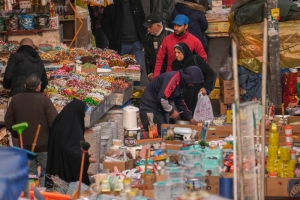
The exchange rate of the dollar against the Iraqi dinar was recently reflected in the local markets, and this appeared in the form of rises in the prices of commodities and foodstuffs, and pushed them to rise significantly.
Against the background of the significant rise in the exchange rate and the subsequent rise in the prices of foodstuffs, goods and services, the capital, Baghdad, witnessed demonstrations in front of the Central Bank building, to demand a reduction in the exchange rate of the dollar.
Ziad Daoud, an emerging markets expert at Bloomberg Agency, said that Iraq is facing a scarcity of dollars, which is causing the dinar to weaken on the black market.
He said, “The reassessment will not solve the problem, nor will it change the supply of dollars in the market. Instead, it increases Iraq’s dependence on oil, especially when combined with increased government spending.
An Iraqi delegation headed by Central Bank Governor Ali Al-Alaq held talks last week with a delegation from the US Federal Reserve in Turkey to discuss possible measures to reduce the exchange rate of the dollar against the dinar.
Al-Alaq confirmed in a statement to reporters that another round of talks will be held in Washington, describing the results of the current round as “good.”
Last month, Prime Minister Mohamed Shia al-Sudani said he was scheduled to visit Foreign Minister Fuad Hussein with Acting Central Bank Governor Ali Al-Alaq and Washington advisers to discuss issues including newly applied standards for dollar transfers.
It is expected that the new budget, which has not been approved, will depend on the new exchange rate for the purposes of evaluating its revenues and expenditures in foreign currency, while the country’s reserves of hard currency have increased to $115 billion.
The financial advisor to the Prime Minister, Mazhar Muhammad Salih, stated that the decision to adjust the exchange rate is commensurate with the increase in the current account of the balance of payments to the gross domestic product, which currently stands at about 15 percent.
He said, “These indicators prompted monetary policy to adjust the exchange rate and raise the external value of the Iraqi dinar.”
He added, “The decision supports the availability of official foreign reserves supporting Iraq, which provides standard coverage for total foreign trade for about 20 months of import, while the global average is three months.”
He continued, “The decision to raise the value of the dinar will also lead to combating inflationary activities and expectations that have exacerbated in the last three months, as this time the central bank followed a strict monetary policy pattern by maximizing the external value of Iraqi cash.”
This matter, according to Saleh, imposes stability in the general level of prices, and is also important in the stability of individuals’ cash income and the maintenance of living standards.
So far, Iraq has not approved the new budget. The Parliamentary Finance Committee suggested, in a race, that the government would send it to Parliament during this week.
Rawabetcenter.com

 Information/Baghdad… A member of the Oil, Gas and Natural Resources Committee, Kazem Al-Tooki, revealed that there are parliamentary efforts to pass the oil and gas law soon, indicating that all roads are clear towards passing the law.
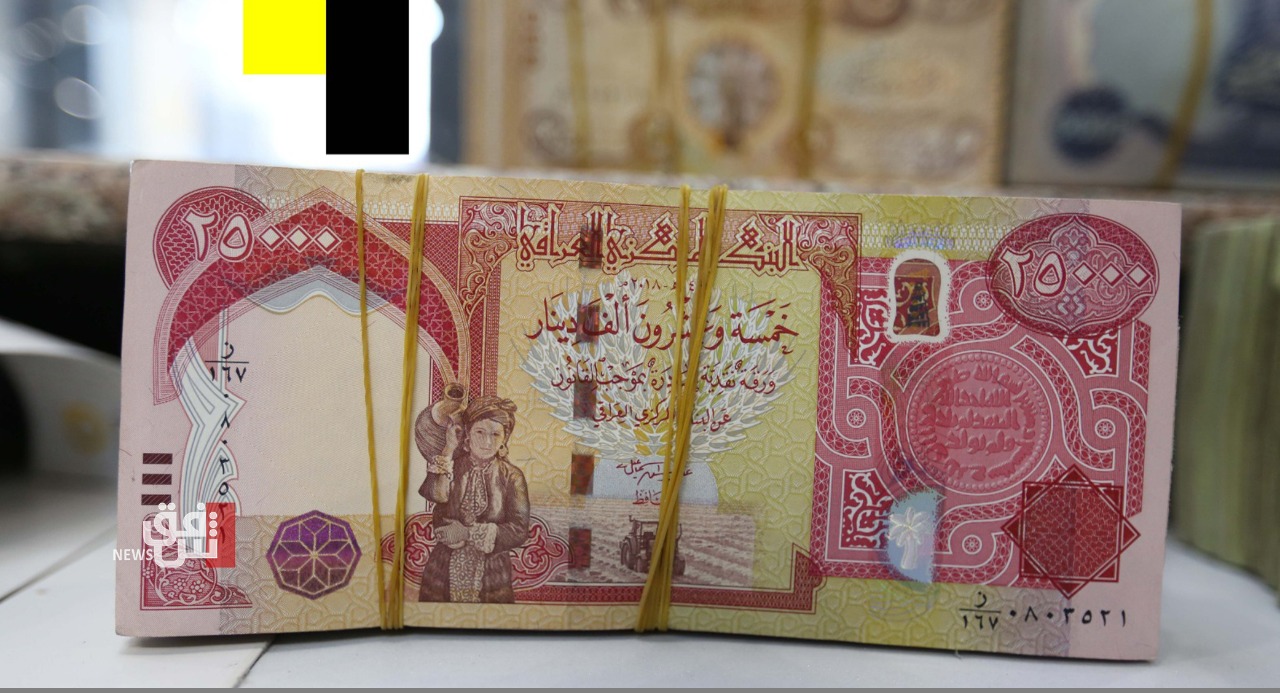 Shafaq News / Member of the Parliamentary Finance Committee, Representative Nermin Maarouf, announced, on Friday, the size of the 2023 budget, noting that it exceeds 200 trillion dinars, while pointing out that the fluctuation of dollar prices and the failure to fix its price in the budget delayed sending it to Parliament.
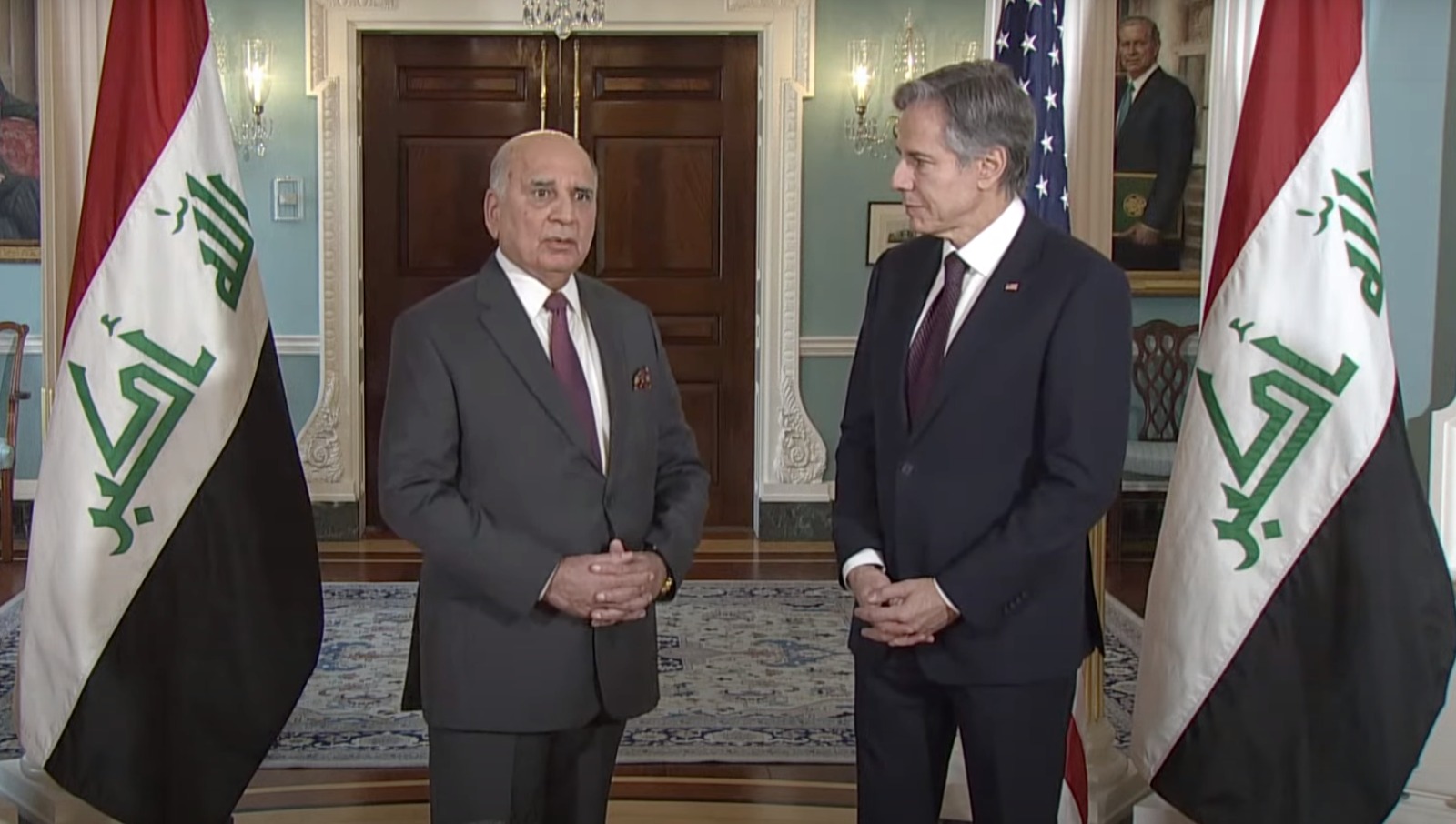 Shafaq News / US Secretary of State Anthony Blinken announced, on Thursday, support for Iraq’s economy, and while stressing the need for Baghdad to have an independent energy, Foreign Minister Fuad Hussein stressed the country’s need for Washington’s support in various fields.
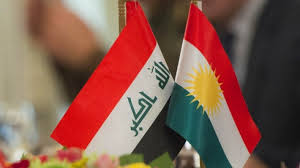 Baghdad and Erbil are close to resolving the energy file in the country, after Iraqi Prime Minister Muhammad Shia al-Sudani revealed, on Tuesday evening, that there is a draft oil and gas law that is being reviewed between Baghdad and Erbil in order to ripen it and then approve it, in a step that is believed to be resolving the most important dispute over oil wealth between the two countries. The federal government and the Kurdistan region. It will also organize all files related to this throughout Iraq.
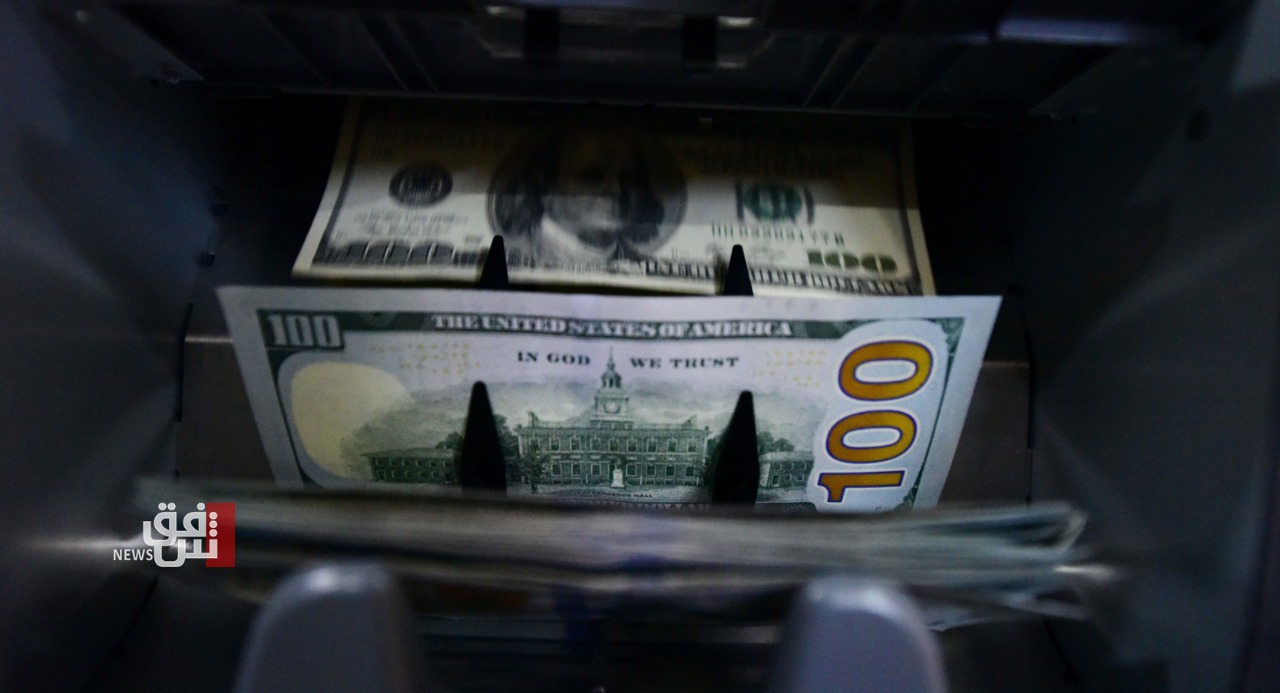 Shafaq News / On Monday, the Iraqi Prime Minister, Muhammad S. al-Sudani, issued new decisions to alleviate the problem of Dinar-dollar exchange rates.
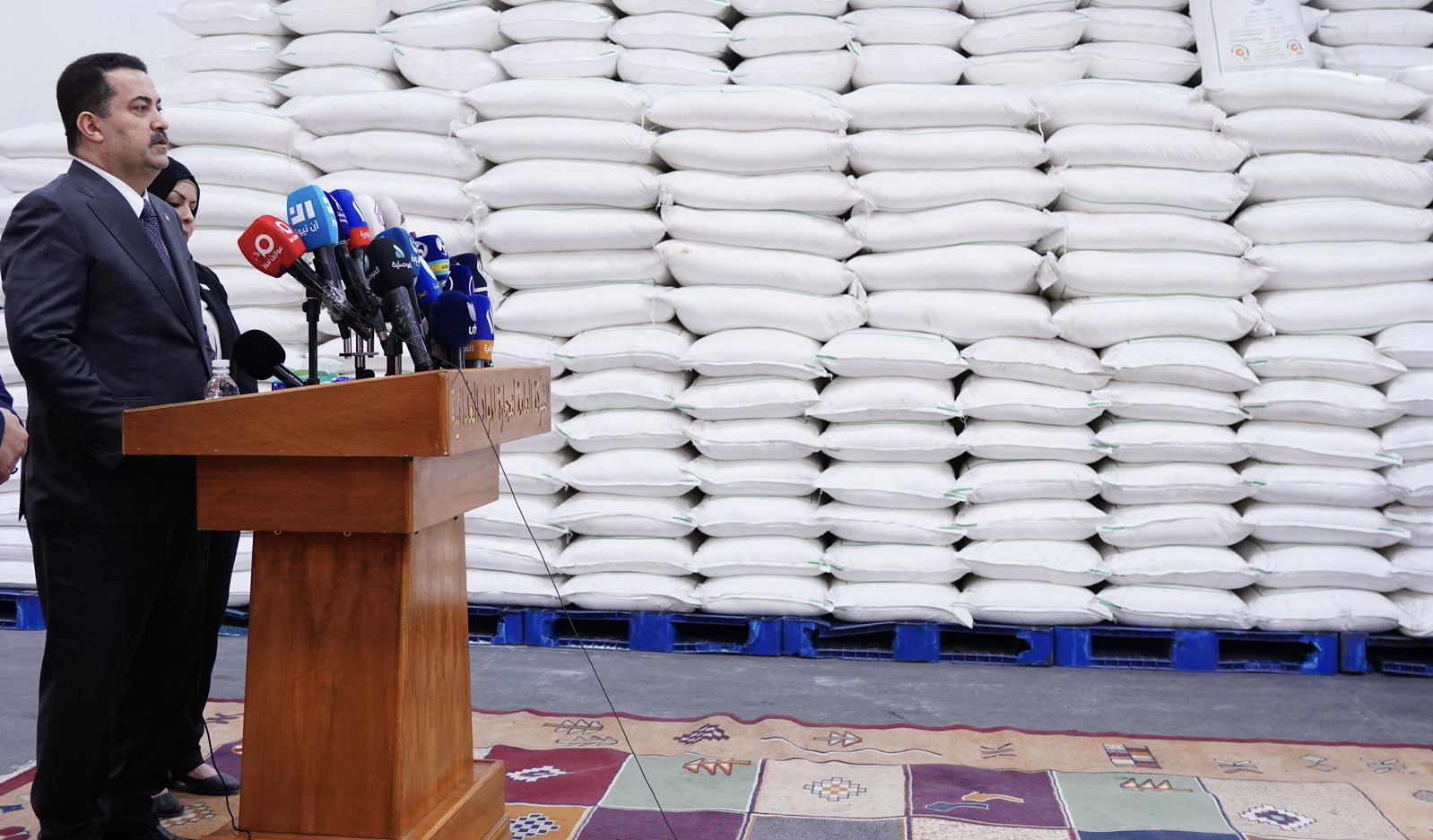 Shafaq News / Iraq’s Prime Minister Mohammad Shia al-Sudani has expressed confidence that Iraq’s central bank (CBI) and trade bank (TBI) will manage to harness the prancing exchange rate of the US dollar against the Iraqi dinar.
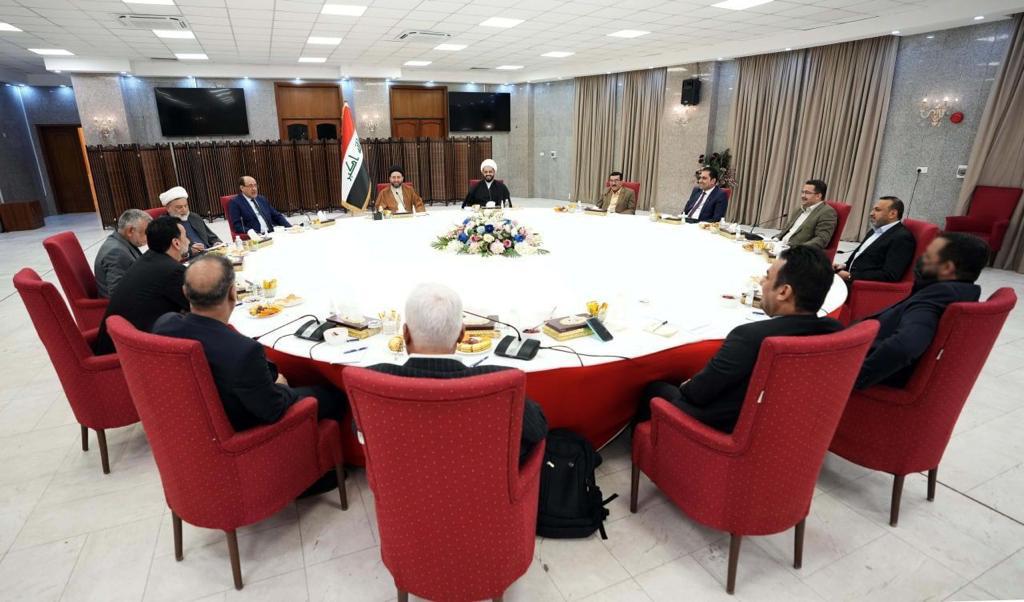 Shafaq News / Iraqi lawmaker Hasan Fad’am on Monday defended Prime Minister Mohammad Shia al-Sudani’s decision to dismiss the country’s central bank governor, and his colleague, Sajjad Salim, denounced it as a political move.