Zebari remembers his calls with Soleimani and Obama: Biden will not withdraw in an election year
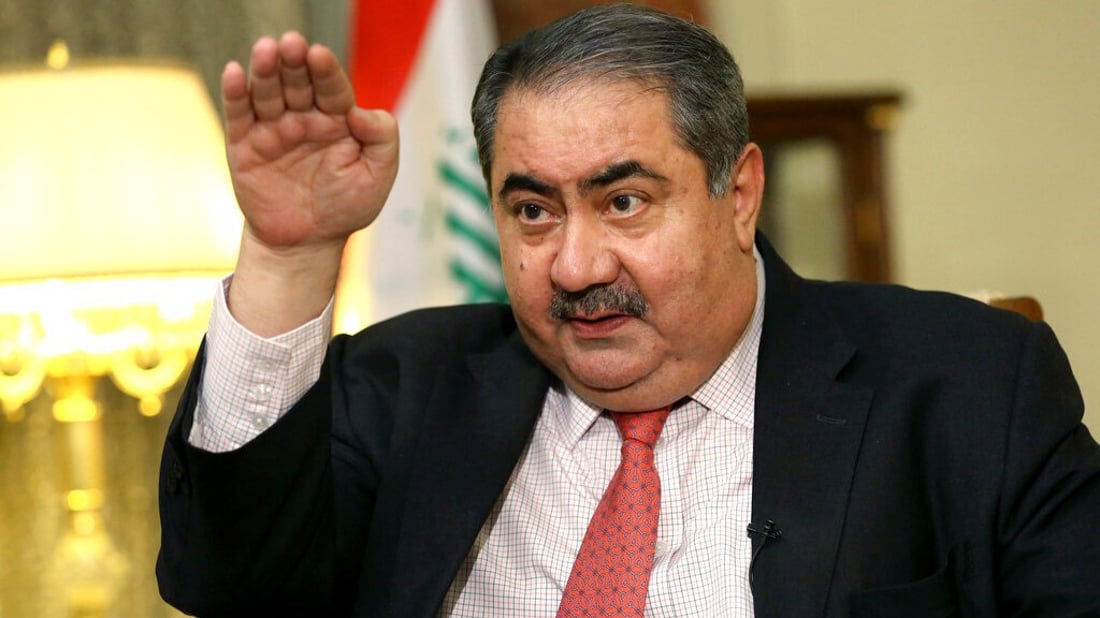 Erbil – 964… In a lengthy interview with Lebanese writer Ghassan Charbel published by Asharq Al-Awsat newspaper, Hoshyar Zebari reviewed memories from his long work in the Iraqi Ministry of Foreign Affairs, including a 45-minute call with former US President Barack Obama about withdrawing from Iraq, and dialogues within the “narrow circle” of the Iranian team. Its most prominent representative is Revolutionary Guard General Qassem Soleimani, and Zebari ruled out the possibility of the withdrawal of coalition forces during a year that witnesses the presidential elections in the United States.
Zebari in an interview with writer Ghassan Charbel, followed by Network 964:
This February 10 was a turning point because the Iraqi parliament wanted to hold a session with a full quorum to approve or pass a decision to expel the Americans immediately. But there was not the required response, neither from the Sunni Arab blocs nor the entire Kurdish bloc, nor even from most of the Shiite blocs. More than 230 deputies, only about 75 deputies attended, so there was no consensus, consensus, or quorum, and the issue was postponed.
It is very, very difficult for a divorce to occur between Iraq and America in fact, because the American relationship with Iraq and the region is linked to international, regional and economic issues. Therefore, divorce and separation from this relationship is difficult. In the strategic framework agreement that we negotiated with them, they gave us many opportunities and areas to support the Iraqi economy, security, and capabilities, but unfortunately, successive Iraqi governments did not take advantage of this available opportunity.
There was a heated debate between the military leaders who worked in Iraq, and the majority of the US Army leaders currently served in Iraq. Therefore, they had fear or concern that a sudden withdrawal in this way, and not keeping some forces to help, would threaten America’s interests, with regard to terrorism or other forces greedy in Iraq. But US President Obama decided to withdraw them and did not heed this advice, and I spoke to him for about 45 minutes.
He was in his election campaign and Iraq was a major issue in the elections at that time. John McCain was the Republican nominee. Iraq was a prominent focus of interest for both camps. Obama called me by phone during an election tour in one of the states. My message to him was that we believe that Iraq has not fully recovered, meaning it is not a normal or normal country. There are terrorist threats and security threats. Therefore, we do not encourage you to rush to completely withdraw forces. We need this help and your help in training and qualifying our military forces. He took the issue to mean: No, I came to rid America of foreign wars. In Afghanistan and Iraq. We want to focus on the internal situation. There was a financial crisis in the world market.
After the collapse of the army and the invasion of ISIS the task also fell on me when I was Minister of Foreign Affairs. I was a decision-making minister. When we felt that there was a real threat to the government and the country, we agreed with the Americans to exchange notes requesting assistance because this danger was imminent and unexpected. There are still investigations into how the invitation came to be at that time when they returned in 2014 and helped us. They helped Erbil, the capital of the Kurdistan region, which was threatened by ISIS. Samarra was threatened.
Any cancellation of this understanding – so that I can add more poetry to you – requires the approval of both parties and requires a period of time and notice to the other party of no less than one year.
This is an election year in America, and it is very difficult for any president to make a decision like this while the region is on fire and we do not know where things are headed. In my opinion, Iraq cannot obtain a divorce in this relationship.
I had discussions with the late (commander of the “Quds Force” in the Iranian “Revolutionary Guard”), General Qassem Soleimani, who was targeted by American forces at Baghdad airport in 2020, and the advisor to the Supreme Leader, Ali Khamenei, who is the former Foreign Minister, Ali Akbar Velayati in 2007-2008. We were on visits with the President of the Republic and the Prime Minister to Tehran and discussed with them. One of their requests was: “You, Kurds and Shiites, have gotten rid of dictatorship. You are not supposed to trust the global arrogance or the Americans. You are also supposed to become part of the axis of resistance.”
964media.com

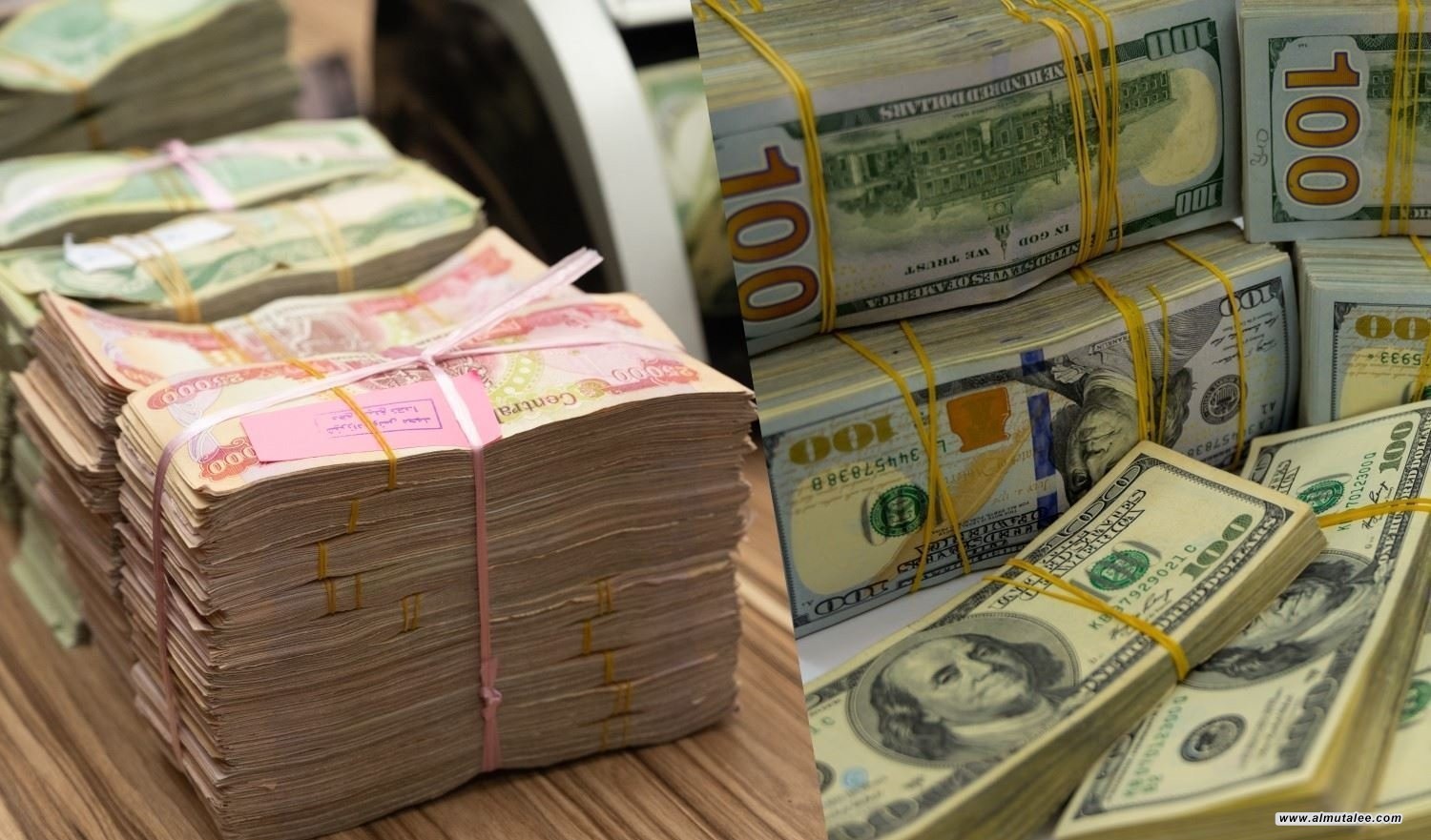 Today, Central Bank Governor Ali Al-Alaq denied the existence of a problem with the liquidity of the Iraqi dinar, while indicating the imminent launch of the new mechanism for travelers to obtain the dollar.
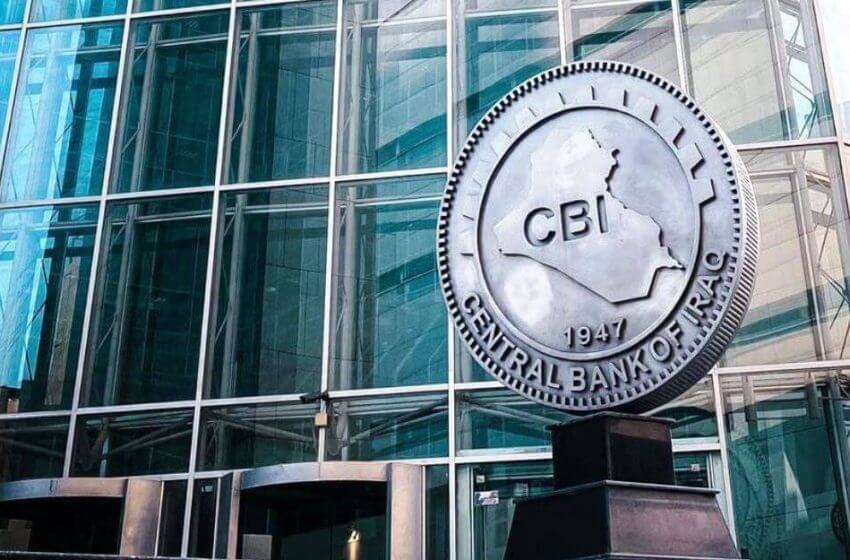 Baghdad (IraqiNews.com) – Over the last week, the Central Bank of Iraq (CBI) sold more than $1 billion worth of US currency.
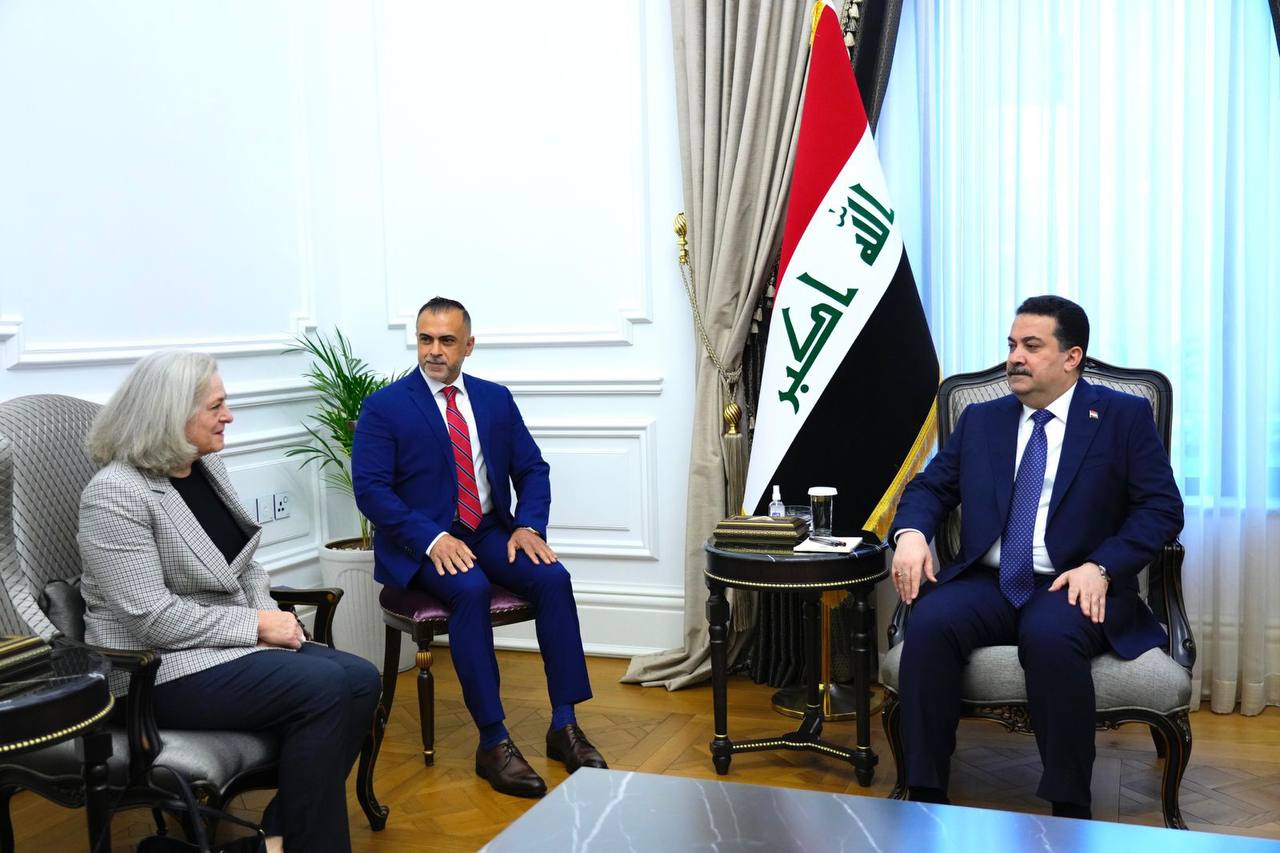 Shafaq News / Prime Minister Muhammad Shiaa Al-Sudani discussed, with US Ambassador Alina Romanowski, on Wednesday, the issues that will be raised during his upcoming visit to the United States.
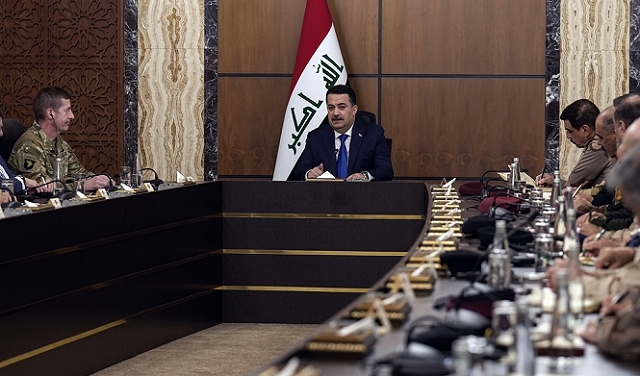 Today, Wednesday, Prime Minister Muhammad Shiaa Al-Sudani received the US Ambassador to Iraq, Alina Romanowski, while they stressed the continuation of the dialogue rounds to end the tasks of the international coalition in Iraq.
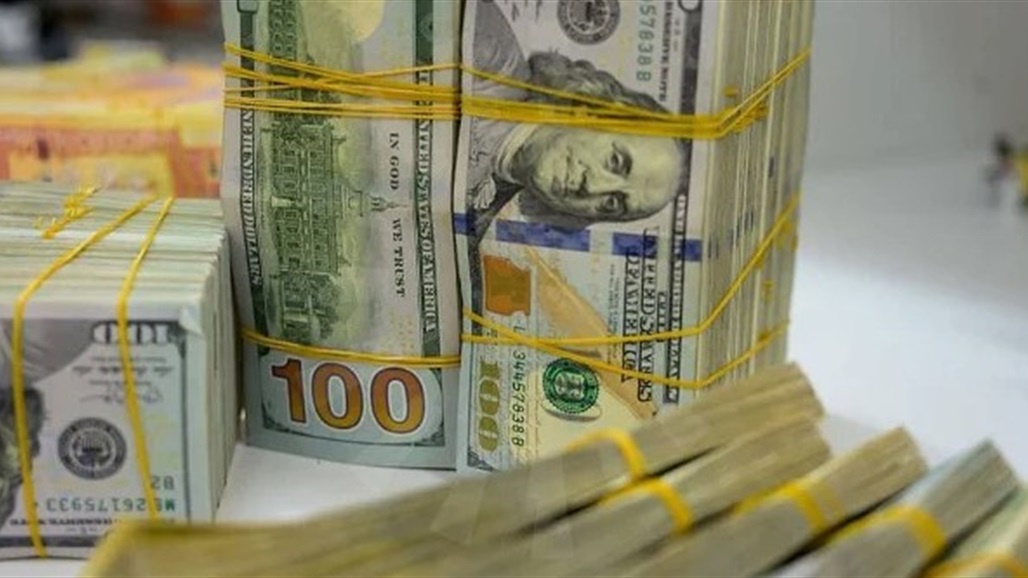 Al-Sumaria News – Economy… The Central Bank of Iraq revealed, today, Tuesday, the mechanism for financing foreign trade after canceling the electronic platform and the currency auction, which the Central Bank intends to implement soon.