
Saleh explains the reason for the rise in foreign dollar remittances and its impact on the national economy
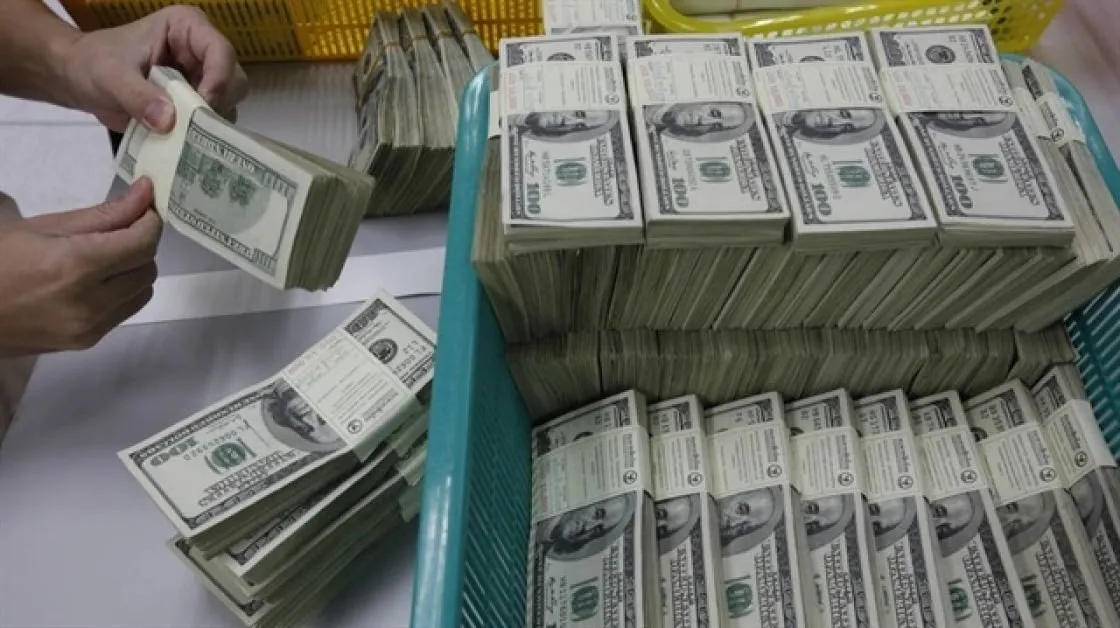
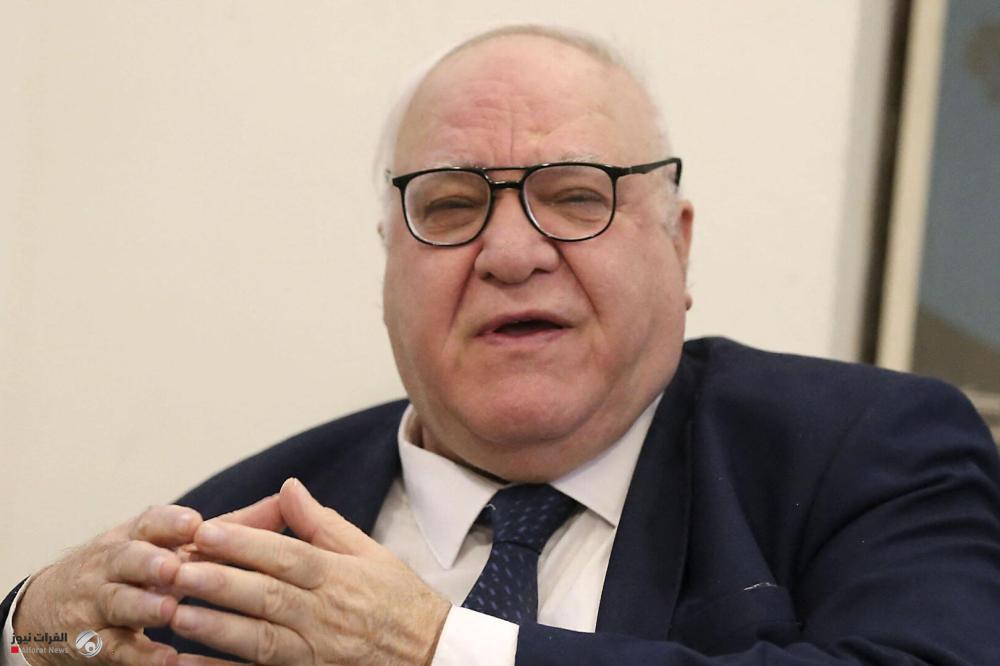 The financial advisor to the Prime Minister, Mazhar Muhammad Salih, explained the reason for the increase in sales of foreign currency remittances {dollars}.
Saleh told Al Furat News Agency, “The phenomenon of increasing sales of foreign currency transfers is due to the results of the important change that occurred in the policy of the Central Bank of Iraq in dealing with foreign transfers and intervening in the monetary market through the transformation of the mechanisms for financing foreign trade for the private sector from the compliance platform to new mechanisms represented by strengthening the accounts of correspondents of Iraqi banks abroad in foreign currency at studied and sufficient levels that are consistent with the requirements for financing foreign trade for the private sector in foreign currency.”
He added, “After the compliance platform had previously rejected nearly 85% of foreign transfer requests during the past months, the policy of strengthening the accounts of Iraqi banks with their correspondents from solid international banks, as an alternative policy, has become so easy, simple and flexible that it has made the implementation of daily foreign transfer requests available and achieved through foreign correspondent banks directly without going through the platform, at a high rate of nearly 85% of the total demand for these daily foreign transfers.”
Saleh explained that “this high change in the flexibility of transfers has been reflected positively on the national economy, especially in the stability of the functions of supply and demand within the national economy in two directions, the first of which is {the supply side} and is represented by the availability of a wide supply of goods and services in the local market through flexible imports financed by the fixed official exchange rate of 1320 dinars per dollar.”
He explained that “the other direction is {the demand side}, which refers to the process of exchanging the Iraqi dinar for the dollar for the purposes of financing foreign trade through the transfers mentioned above, which means that meeting the demand for the dollar represents a direct meeting of the demand for (foreign goods, services and benefits) for the benefit of the local market.”
He pointed out that “meeting the demand for foreign currency represents an important pillar of the monetary policy of the Central Bank of Iraq, and achieving its operational objectives in confronting the levels of local liquidity surplus from the dinar and controlling them, which constitute what is called {surplus demand}, as this control over local liquidity represents a positive intervention by the Central Bank’s monetary policy in the money market and controlling the levels of that liquidity.”
Saleh continued, “This control leaves positive effects in achieving a balance between the real flow in the overall economy of goods, services and benefits and the monetary flow within the economy itself,” indicating that “such a balance between supply and demand achieves stability in the general level of prices and welds growth levels in inflation rates, which is positively reflected in the stability of the purchasing power of the dinar and the general monetary income.”
Alforatnews.iq
 Member of the Parliamentary Finance Committee, Mustafa Al-Karawi, confirmed today, Wednesday, that price speculators continue their suspicious trade by manipulating marketing prices and importing goods and commodities under the pretext of the rise in the price of the dollar.
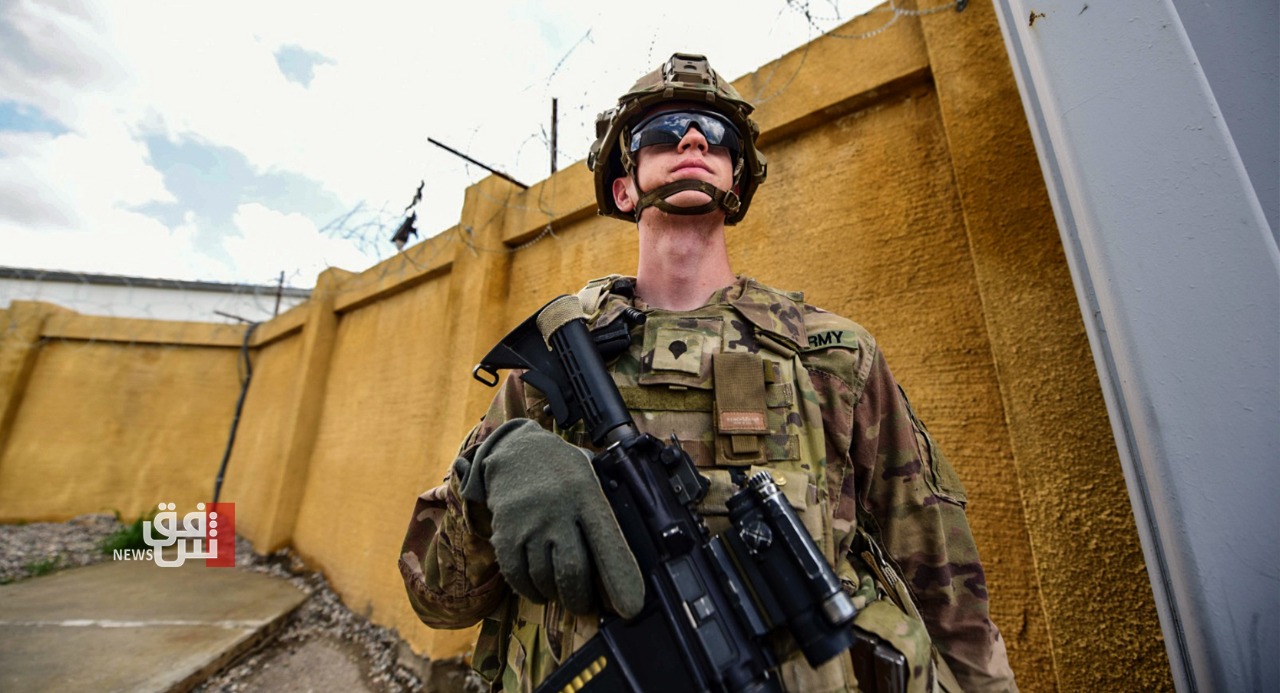 The Washington Post newspaper considered that President Joe Biden’s plan for a military withdrawal from Iraq is a trap for the next US president, and may pave the way for a worsening crisis in the Middle East, while indicating that the withdrawal will mean Washington’s complete abandonment of the region and its surrender to Iran.
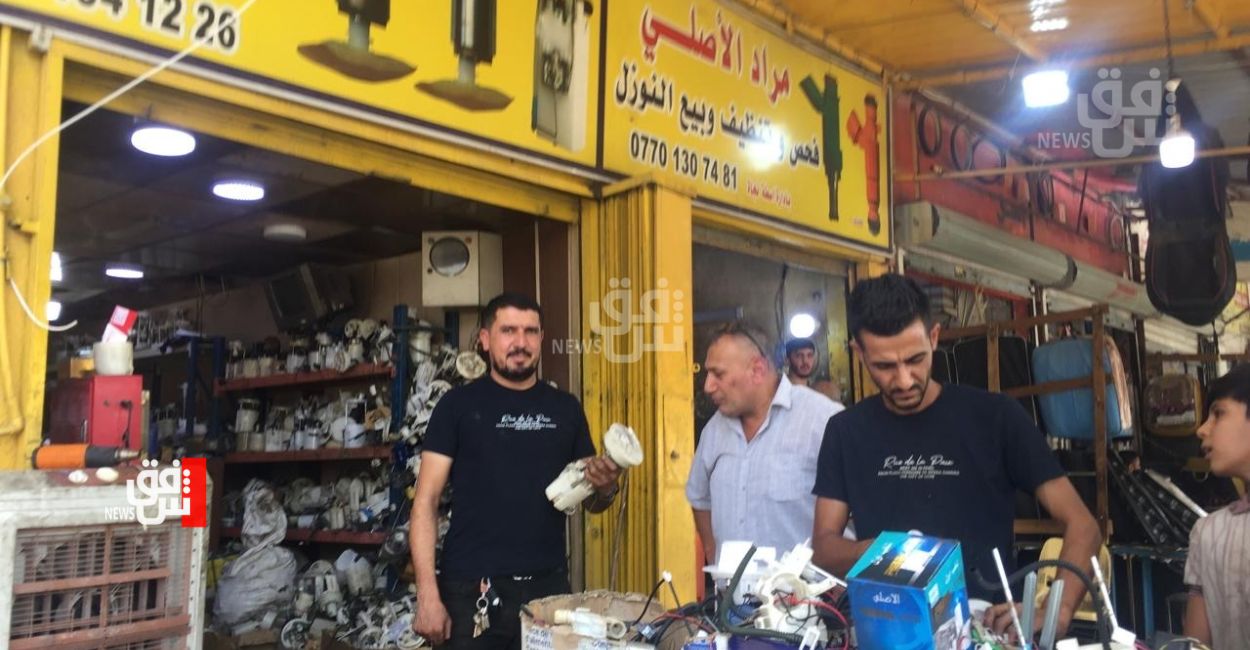 Every day, dozens of car owners in Kirkuk Governorate suffer a great shock that puts them in the hands of mechanics, due to malfunctions affecting their cars, and they blame the cause on the type of gasoline provided by petroleum products in the governorate.
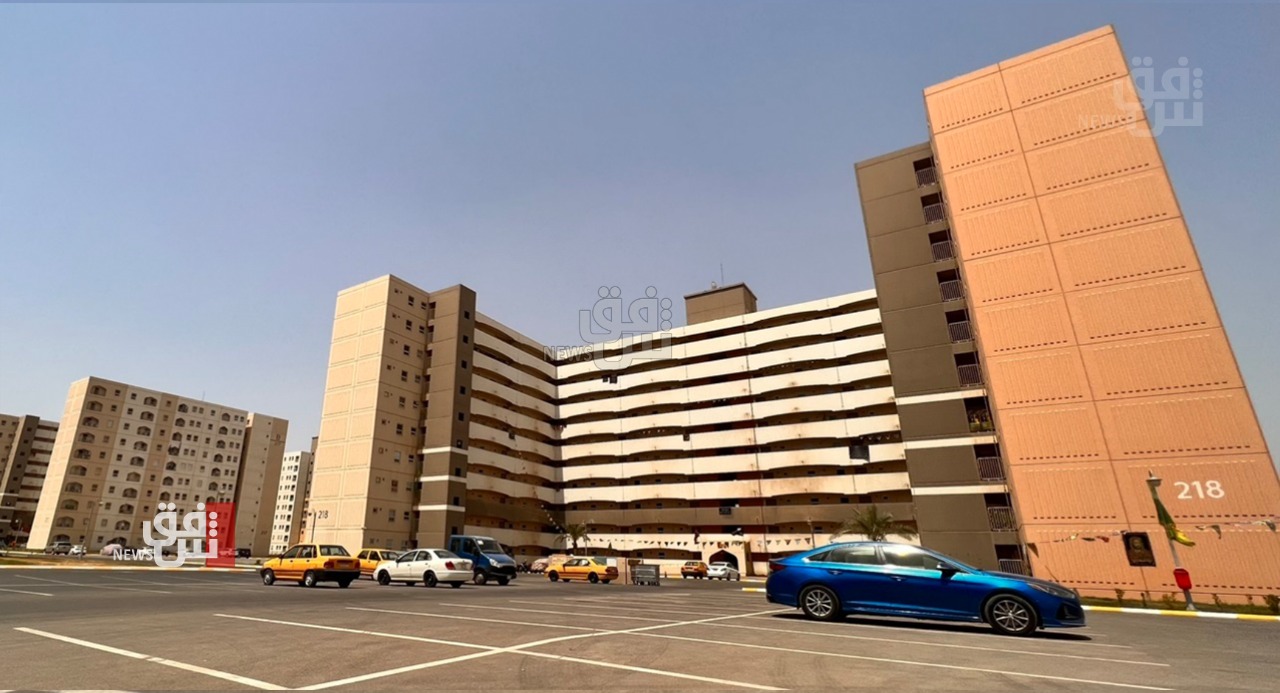 The Central Bank of Iraq announced, on Monday, that it would support the Real Estate Bank with two trillion dinars to secure housing loan amounts for citizens.
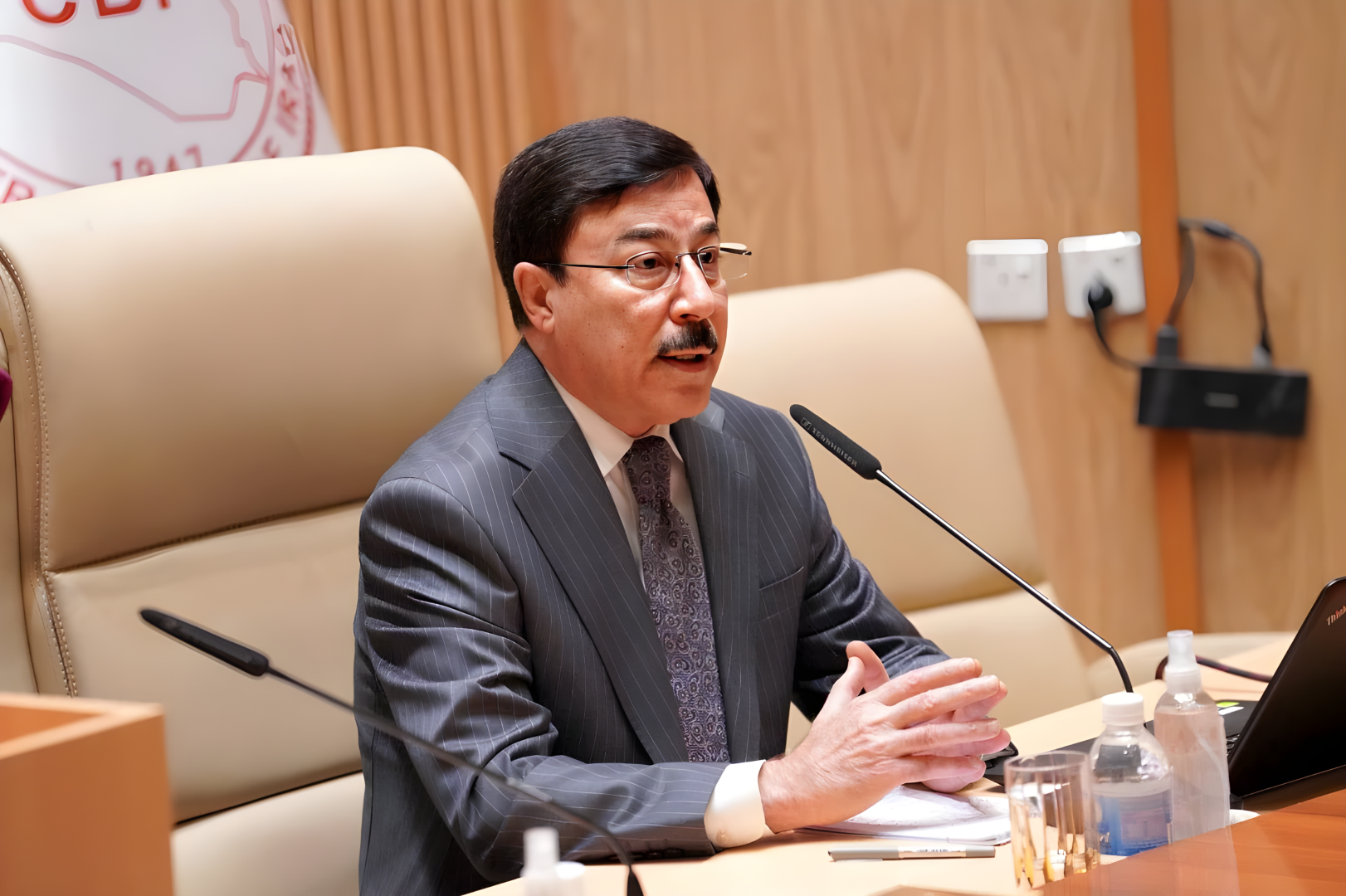 Member of the Parliamentary Finance Committee, Mustafa Al-Karaawi, revealed on Monday that a request was submitted to the Presidency of the Council of Representatives to set a date to question the Governor of the Central Bank of Iraq regarding several files, most notably the exchange rate of the dollar against the local currency.
 Under the leadership of Prime Minister Mohammed Al-Sudani, Iraq has achieved significant growth in its non-oil revenues, rising from seven trillion Iraqi dinars to twenty-seven trillion dinars in two years. This remarkable increase indicates a strategic shift towards diversifying the economy and enhancing its stability.
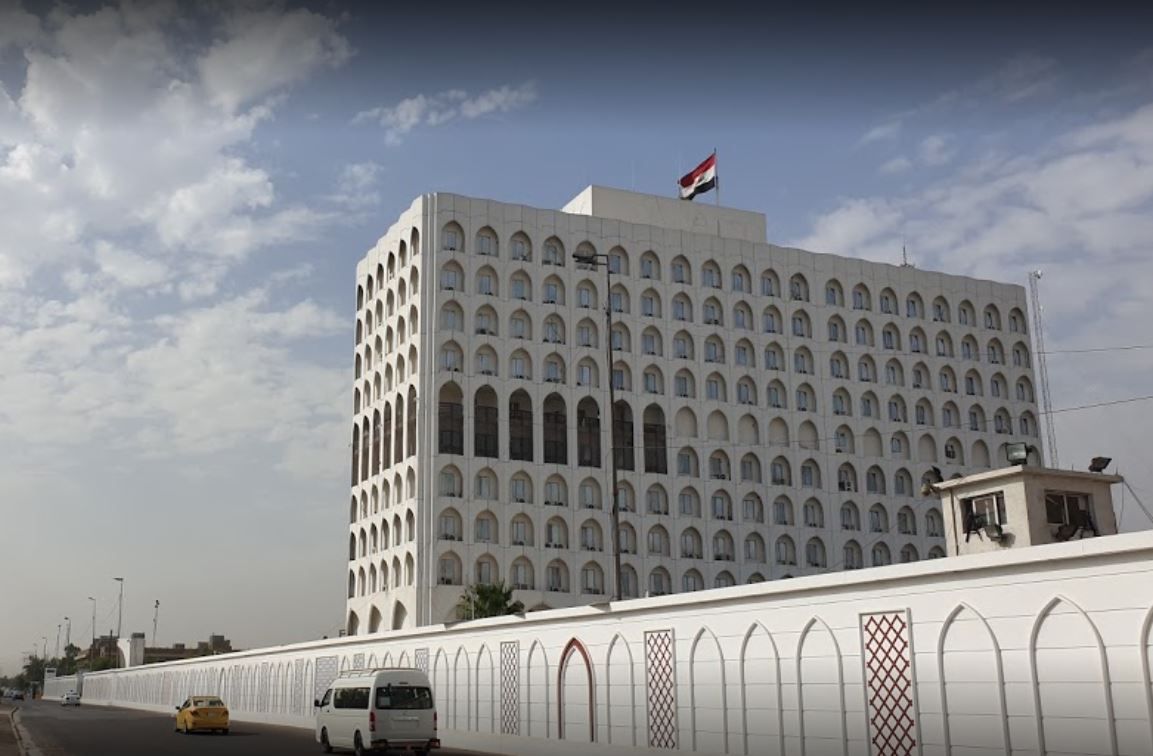 The Iraqi Ministry of Foreign Affairs responded on Thursday to statements made by the official spokesman for the US State Department. While announcing the postponement of the announcement of the end of the military mission of the international coalition in Iraq due to recent developments, it confirmed that there are no US forces in Iraq except for the advisors under the umbrella of the international coalition.
 The financial advisor to the Prime Minister, Mazhar Mohammed Salih, confirmed today, Thursday, that Iraq’s external debts do not exceed 9 billion dollars.
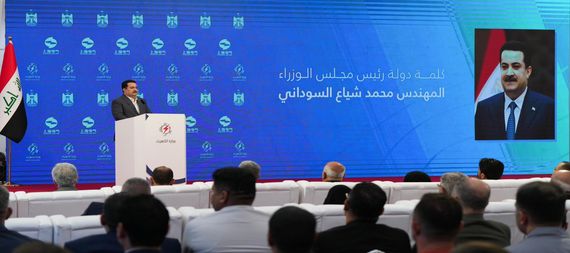 Prime Minister Mohammed Shia Al-Sudani announced the government’s readiness to launch the largest project to produce (10) thousand megawatts of electric power.