
An expert discusses a crisis deeper than the decline in oil prices in Iraq.
 On Monday, economist Manar Al-Obaidi warned of the repercussions of the International Monetary Fund’s prediction that the Iraqi economy would contract by 6.8% in 2026, stressing that the problem is no longer limited to the decline in oil production and exports, but extends to the structure of the non-oil economy. Dailynews subscription
Al-Obaidi said in a post he published on social media platforms that the non-oil economy is still largely linked to the government sector, which in turn depends almost entirely on oil revenues, indicating that the decline in these revenues is reflected in government and investment spending, market activity, demand and job opportunities.
He explained that non-oil activity has been subjected to multiple pressures during the past period, including stricter procedures and customs duties, higher costs of commercial activity, a decline in some forms of agricultural and industrial support, weak financing incentives, as well as the limited ability of Iraqi companies to access foreign markets.
He added that most companies still rely on the local market, which means that declining consumer confidence in the economy and reduced spending directly impact sales, investment, and expansion.
Regarding bank financing, Al-Obaidi believes that the banking sector alone is no longer able to lead the expansion of the private sector, noting that the decline in confidence in banks after the recent measures taken against a number of them, along with the government’s increasing reliance on bank financing, is pushing banks towards less risky government financing and reducing their appetite for financing private sector projects.
He stressed that supporting the private sector in the next phase depends primarily on increasing the volume of new local and foreign investments, and opening financing channels that do not depend on banks alone.
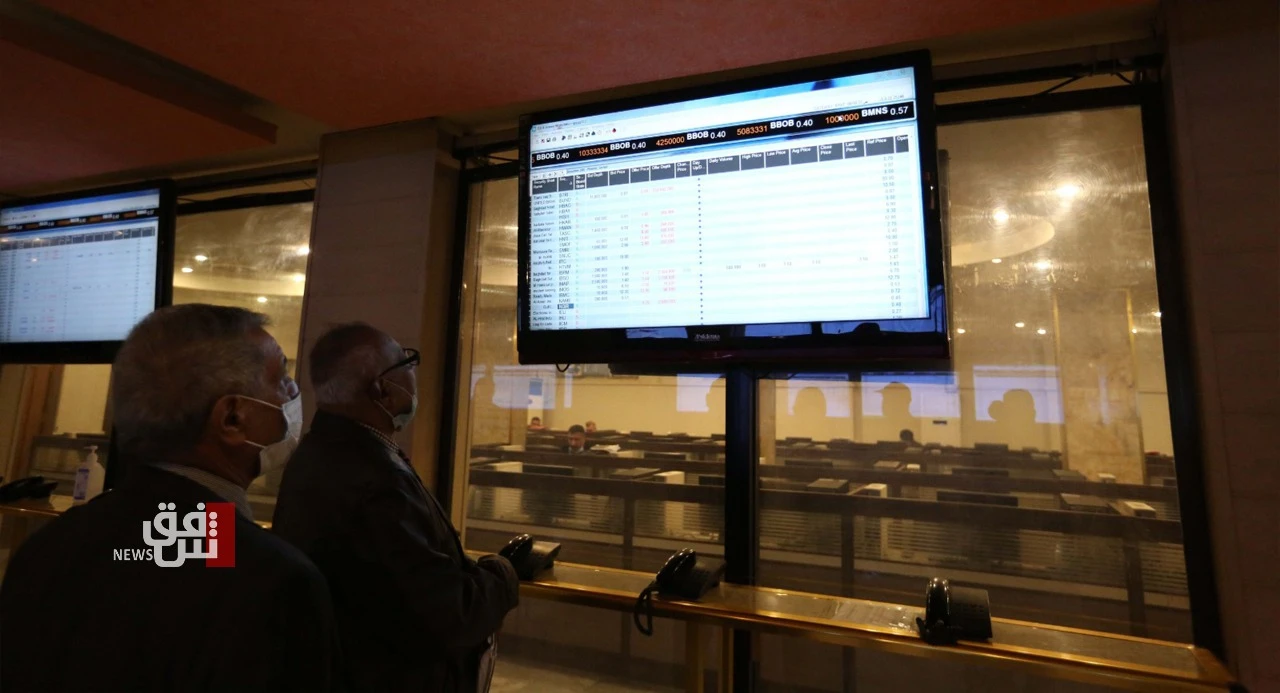
He pointed to the importance of activating the Iraqi stock market, encouraging the listing of a larger number of companies in different sectors, in addition to legislating the legal frameworks for investment funds and facilitating the entry procedures for local and foreign investors.
Al-Obaidi concluded by saying that “the real challenge facing Iraq is not only how to get the output back to growth after 2026, but how to build a private sector that can obtain capital, expand and create jobs, even when the state’s ability to spend declines.”
Shafaq.com