
Desert tourism in Iraq: A natural resource awaiting investment
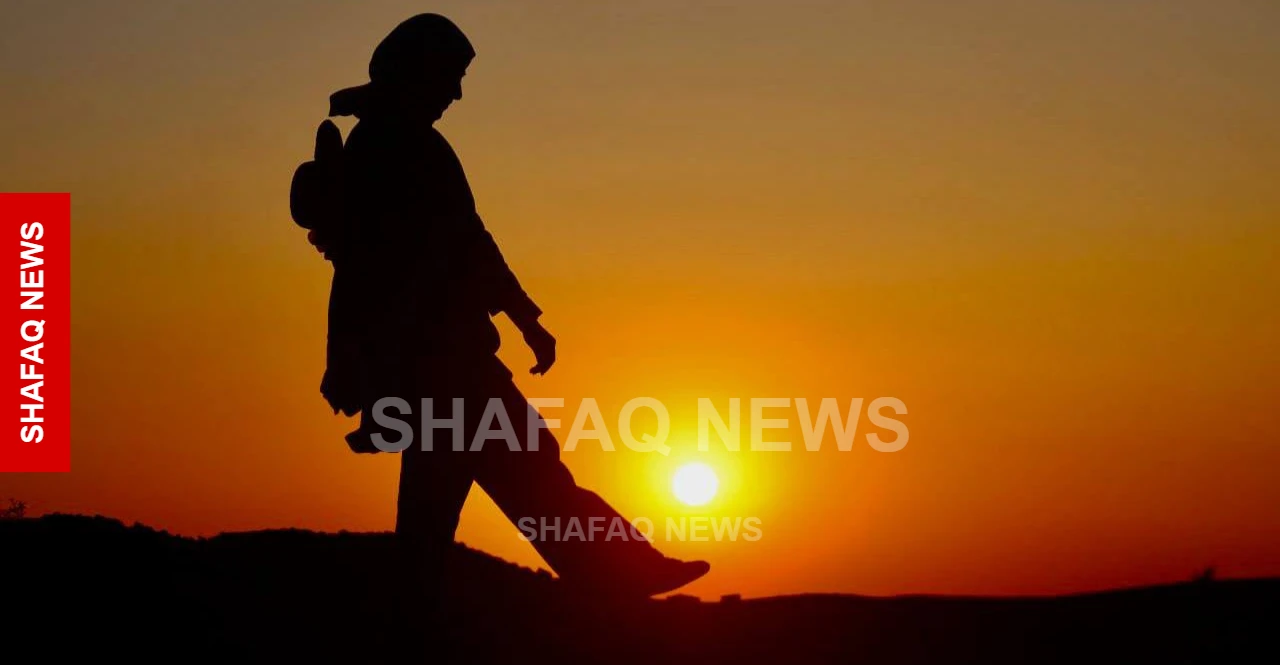 Iraqi tourism is looking for new ways to diversify the tourism product, including desert tourism, which is still in its early stages, despite Iraq having vast areas and natural and cultural sites that can be a destination for tourists, especially in the governorates of Anbar, Muthanna, Najaf, Karbala and Dhi Qar. IraqTravel Guide
Ali Yassin, spokesman for the Tourism Authority at the Ministry of Culture, Tourism and Antiquities, told Shafaq News Agency that desert tourism is still in its initial stage, but it has begun to receive increasing attention within tourism diversification plans.
Yassin explained that the Iraqi desert regions possess unique natural and cultural resources, but this type of tourism still lacks an organized investment and tourism framework, in addition to the limited products and services directed to tourists in those regions.
He pointed out that current activities are mostly limited to individual trips or trips organized by local and international organizations, in addition to nature and desert photography activities by amateurs.
Yassin believes that the Iraqi desert offers multiple assets that can be transformed into marketable tourism products, taking advantage of its natural diversity, which includes valleys, hills, rocks, sand dunes, and clear skies, as well as the possibility of stargazing away from light pollution.
The most prominent proposed products include desert camping, both traditional and luxury, and the establishment of tents equipped with tourist services and nighttime programs that include local food and music. Astrotourism can also be developed by organizing programs to view stars and planets, using guides who specialize in astronomy, and choosing sites far from sources of light pollution.
The proposed products also include hiking and climbing trips through valleys and sand dunes, with local guides and rest stops provided, along with adventure tourism that includes desert biking, sandboarding and dune racing in four-wheel drive vehicles.
Desert tourism is not limited to nature and adventure, as it can include cultural and tribal tourism through visiting Bedouin communities and learning about traditional hospitality patterns, folklore performances, local cuisine and handicrafts, as well as organizing workshops for desert photography at sunrise and sunset, wildlife photography, holding specialized courses and producing documentaries and geographical programs.
The spokesperson for the Tourism Authority also confirmed that developing desert tourism can contribute to creating job opportunities for local communities in remote areas, in addition to supporting the local economy and diversifying sources of income.
According to the proposed vision, this type of tourism is linked to the concept of sustainable ecotourism, provided that controls are put in place to preserve natural resources, plants and wildlife in desert areas.
Yassin continued, saying that transforming these capabilities into an actual tourism sector requires a clear institutional framework, with the participation of the Tourism Authority, the Ministries of Environment, Interior and Transport, the relevant governorate councils, as well as the private sector, the local community, and environmental and cultural organizations.
Among the proposals put forward is the establishment of a unit specializing in the development of desert tourism within the Tourism Authority, in addition to setting up a licensing system for desert camps, adventure travel companies, and desert guides.
The activity also requires organizing camping, camel riding, desert trips and stargazing trips, ensuring safety, insurance and training requirements.
Opportunities for the private sector to invest in ecotourism and adventure companies, desert camps and eco-hotels, as well as transportation and logistics services within desert areas, are emerging.
It also proposes the establishment of a coordination committee comprising government agencies, governorates, the private sector, the local community, and environmental and cultural organizations, with the adoption of performance indicators to measure the impact of desert tourism, a system for classifying and licensing camps and trips, as well as conducting periodic environmental and security monitoring.
These proposals come within a broader direction of the Tourism Authority to diversify the Iraqi tourism product, as the announced tourism vision includes goals to attract tourists and develop archaeological, heritage, cultural, religious and natural sites, with a focus on integration, sustainability and quality. IraqTravel Guide
While the Iraqi desert possesses vast natural resources, transforming it into a tourist destination requires moving from limited trips and individual initiatives to organized tourism products, supported by infrastructure, legislation and investment, making the desert one of the new paths for diversifying tourism in Iraq.
Shafaq.com