
The Toman under pressure: When the currency crisis becomes a mirror of the Iranian economy
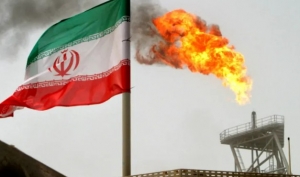 The Iranian Toman crisis is no longer merely a fluctuation in the exchange market; it has become a reflection of the immense pressures facing the Iranian economy. The decline in the value of the local currency is now linked to a complex interplay of factors, most notably sanctions, military tensions, disruptions to shipping, and a drop in oil exports, coupled with high inflation. The problem is that the toman’s weakness is not confined to the currency market; it is rapidly impacting prices, production, and the purchasing power of ordinary citizens. Economicanalysis reports
Oil is one of Iran’s most important sources of foreign currency. According to July data, oil exports fell from about 1.7 million barrels per day in June to approximately 967,000 barrels per day in July. This decline not only represents a loss of oil revenue but also limits the flow of foreign currency the economy needs to finance imports and support economic activity. With sanctions, difficulties in financial transfers, discounts offered to buyers, and increased transportation risks, Iran’s ability to convert its oil wealth into actual revenue is becoming increasingly complicated.
And here lies the most dangerous link: **The decline in exports reduces foreign revenues, the shortage of foreign currency increases pressure on the Toman, and the weakening of the Toman raises the cost of imports and production, then the increase is passed on to prices and the citizen bears the final result.**
The danger of this equation becomes apparent when it comes to food and basic necessities. Families can postpone purchasing many goods, but they cannot postpone their daily needs. When prices rise faster than wages, the real value of income declines, even if nominal salaries remain constant or increase slightly. Thus, the Toman crisis transforms from a monetary issue into a cost-of-living crisis that directly affects the middle class and those with limited incomes.
But the currency crisis has another, equally dangerous dimension: **confidence**. When citizens or investors expect the value of the toman to continue depreciating, the desire to protect savings through dollars, gold, or real estate increases. As demand for alternative assets rises, pressure on the local currency intensifies, and the negative expectations themselves become a factor fueling the crisis.
In the long term, the impact extends to investment. Currency volatility makes it difficult for companies to estimate the costs of projects, equipment, and raw materials, leading some to postpone or reduce investment. Lower investment today means less productivity, fewer jobs, and less growth in the future.
Can the Toman regain its stability?
The answer is not solely related to intervention in the foreign exchange market. Currency stability requires increasing the economy’s capacity to generate foreign currency, ensuring regular oil exports, controlling inflation, improving the investment and production environment, and easing trade and financial restrictions.
Therefore, the real question is not to what level the toman can fall against the dollar, but rather **to what extent can the Iranian economy restore confidence and stop the erosion of purchasing power?**
If sanctions, tensions, declining revenues, and rising inflation persist, the toman will remain a reflection of broader economic depletion. However, if external easing is coupled with internal economic reforms and increased investment and production, the currency may regain some stability.
The future of the Iranian toman will not be determined by the exchange market alone; rather, it will depend on Iran’s ability to transform its oil wealth into production, investment, confidence, and sustainable growth.
Rawabetcenter.com