
Government advisor: The liquidity crisis does not mean the state is bankrupt and does not threaten salaries.
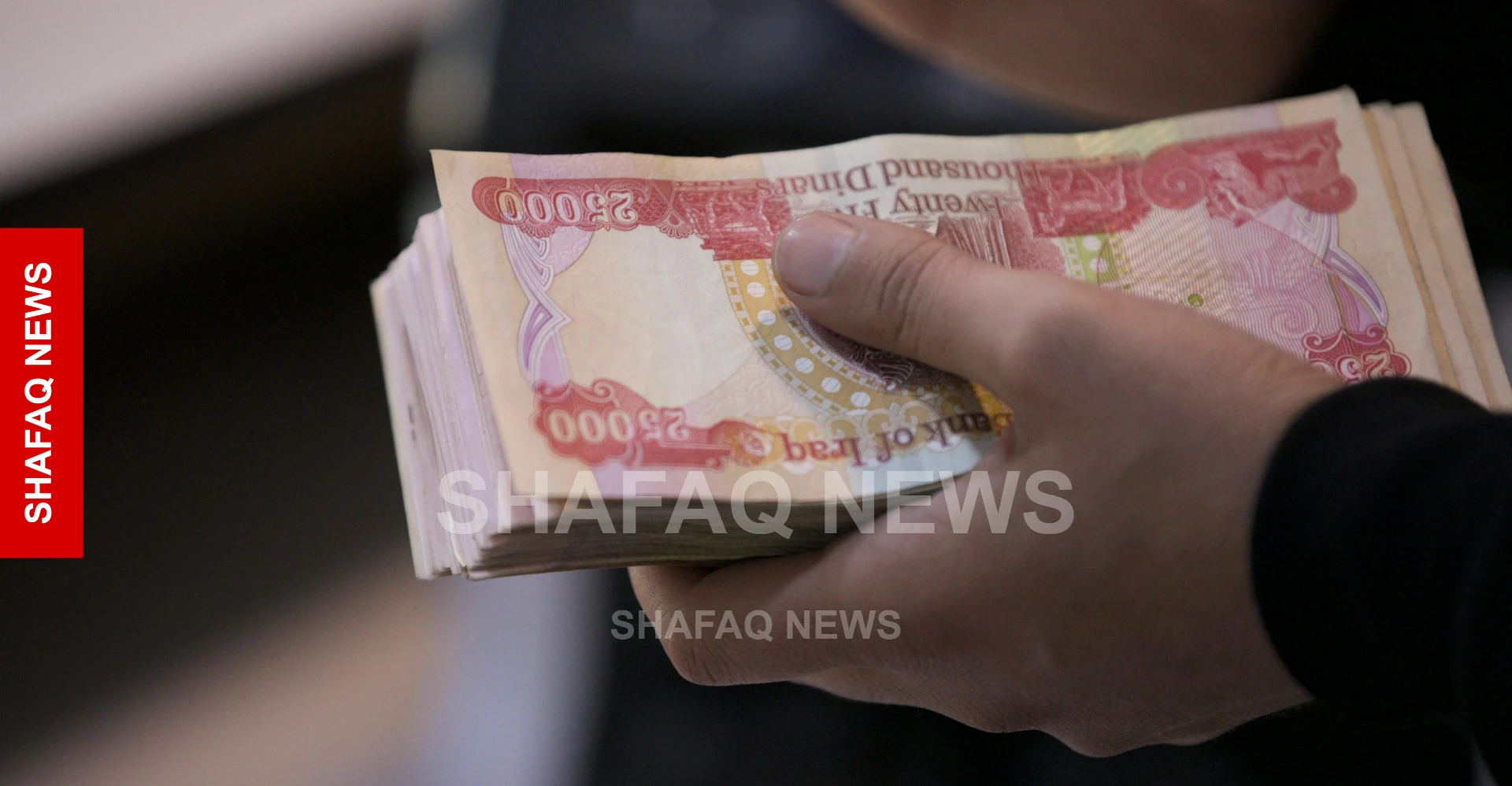 The financial advisor to the Iraqi government, Mazhar Muhammad Saleh, confirmed on Tuesday that the liquidity crisis facing Iraq does not mean a shortage of funds or the bankruptcy of the state, stressing that the government possesses financial and administrative tools that guarantee the continued funding of salaries and the fulfillment of its basic obligations. News
Saleh told Shafaq News Agency that the current pressures are related to the imbalance between the timing of oil revenues entering the treasury and the due dates for monthly expenditures, primarily salaries, as well as the increase in public spending, the expansion of appointments, and the weakness of non-oil revenues.
He explained that these challenges, along with regional tensions that may affect trade and oil exports, do not mean that Iraq is entering a severe financial crisis, stressing that the country has multiple options to manage the situation and maintain financial stability.
He pointed out that the government can ensure the payment of salaries by managing liquidity efficiently, giving priority to basic expenditures, rescheduling some non-urgent investment expenditures when needed, in addition to improving collection, reducing financial waste, and enhancing non-oil revenues.
He added that internal or external financing remains an available option when necessary, provided that it is used within the safe limits of public debt, and in a way that ensures the continued financing of basic obligations without harming financial stability.
Saleh stressed that the next phase requires accelerating projects to diversify oil export outlets and develop infrastructure in the transport and energy sectors, in order to reduce the risks of relying on a single source of revenue and enhance the economy’s ability to cope with regional and international changes.
He concluded by saying that sustainable financial stability will not be achieved by relying on oil alone, but rather by accelerating economic reforms, diversifying sources of income, and building an economy more resilient to external shocks.
Shafaq.com