
Iraqi private banks are facing increasing pressure to meet the requirements of the US Federal Reserve and have sanctions lifted.
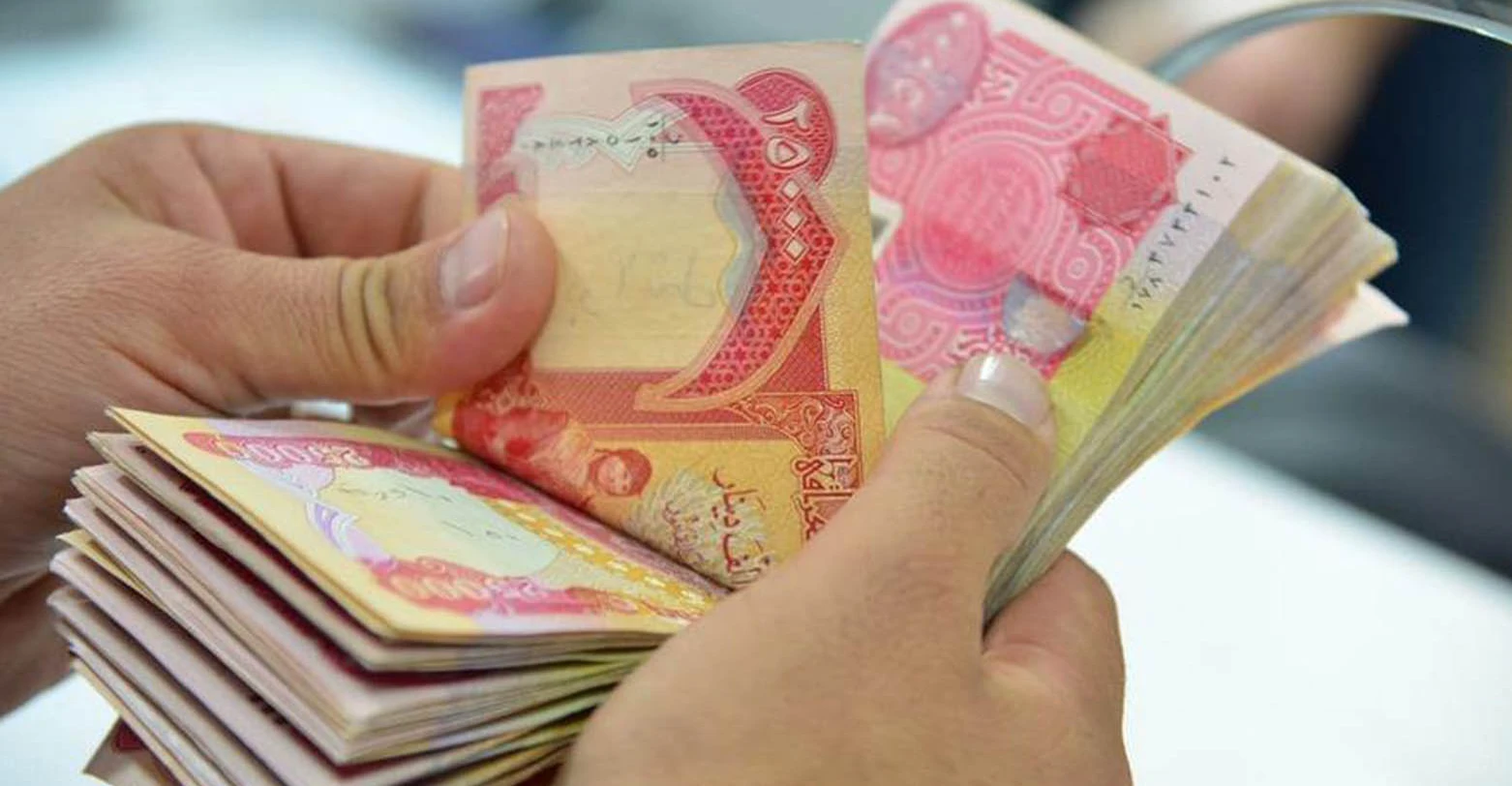 Banking sources revealed on Thursday new and urgent directives to private banks in Iraq, aimed at completing the requirements that were raised during Prime Minister Ali al-Zubaidi’s visit to Washington, in preparation for completing the procedures to lift the sanctions and restrictions imposed on a number of banks. DailyNews Reports
The sources told Shafaq News Agency that the requirements that were emphasized include strengthening anti-money laundering and counter-terrorism financing measures, compliance and governance, tightening control over dollar movement, preventing smuggling and illegal transfers, as well as implementing a package of new banking instructions and procedures within specific time limits.
According to the sources, private banks have begun implementing the urgent instructions issued by the Central Bank of Iraq in this regard, amid warnings that failure to complete the requirements within the specified timeframes may lead to the bank being deprived of international banking facilities and transactions, which requires the administrations to expedite the completion of the required files and procedures.
In this context, a number of employees in private banks reported that the administrations imposed a high work pace to complete the requirements within the specified period, noting that some employees work about 12 hours a day due to the volume of procedures and files that need to be completed.
The employees added that the continuous work pressure caused, according to their statements, a state of extreme exhaustion and recorded cases of fainting among some employees as a result of the large working hours and deductions, while the banks are communicating with the regulatory authorities to complete the required requirements within the specified timetable.
These measures come as part of the Iraqi banking sector’s efforts to comply with international standards and strengthen its relationship with the global financial system, in light of the tightening of US control over the movement of dollars and financial transfers related to Iraq.
The media office of Prime Minister Ali al-Zaidi announced on July 18 that the Governor of the Central Bank of Iraq, Nizar Nasser Hussein, held a series of high-level meetings with officials at the US Treasury, which resulted in a common understanding to return restricted Iraqi banks to foreign correspondent banking channels not linked to the US dollar.
For his part, the governor of the central bank confirmed that there are 7 banks currently qualified to return and operate within the external banking correspondent channel not linked to the dollar (in other currencies), so that they will have the right later to deal in the US dollar after passing other stages of compliance and governance requirements.
This came in conjunction with the Prime Minister’s welcoming of the understanding reached between the Central Bank of Iraq and the US Treasury Department, describing it as “an important step in the path of reforming the banking sector and enhancing its integration into the global financial system.”
It is noted that at the beginning of 2024, an official document issued by the Central Bank of Iraq showed that 8 Iraqi banks were banned from participating in the foreign currency buying and selling window.
The document, which was reviewed by Shafaq News Agency, included a ban on those banks from participating in the foreign currency buying and selling window and from dealing in dollars.
The eight banks are: (Iraqi Investment Bank, Kurdistan International Islamic Bank, Iraqi Union Bank, Al-Huda Bank, Ashur International Investment Bank, South Islamic Bank for Investment and Finance, Arab Islamic Bank, and Hammurabi Commercial Bank).
Shafaq.com