
CENTCOM: Iran does not control the Strait of Hormuz, and F-16 fighter jets are patrolling the Middle East.
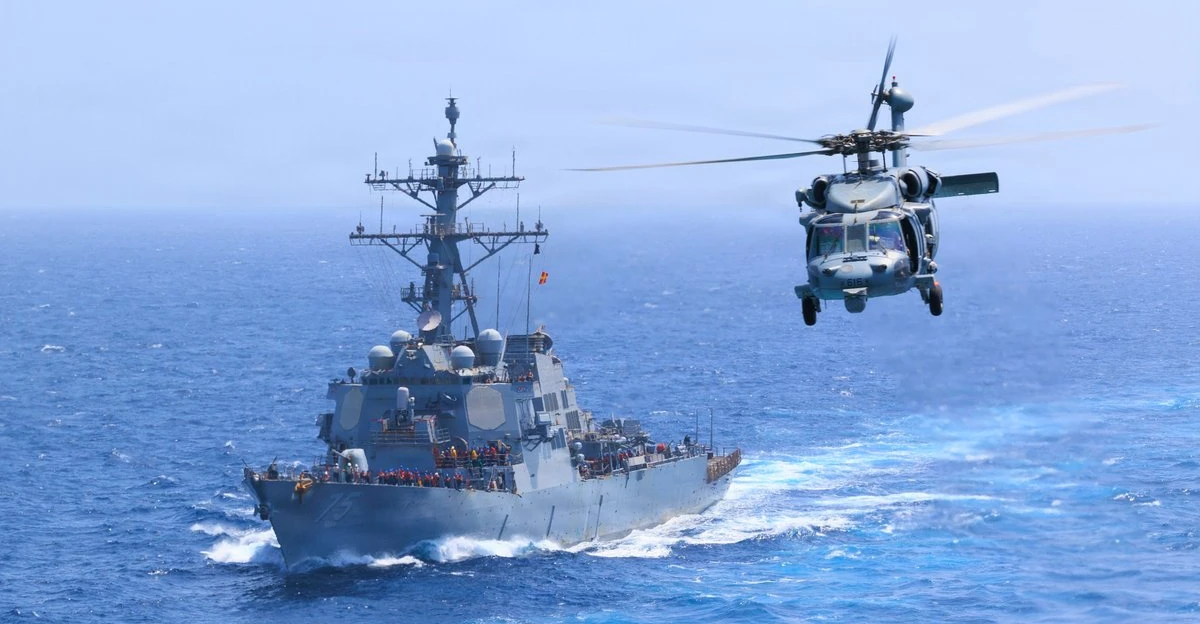 The US Central Command (CENTCOM) confirmed on Wednesday that the Iranian Revolutionary Guard has no authority to impose routes for free and open navigation in the Strait of Hormuz. DailyNews Reports
She added in a post on the “X” platform, which was monitored by Shafaq News Agency, that commercial ships continue to use the strait with American military support.
She added that since early May, US forces have helped nearly 1,000 ships and 500 million barrels of crude oil pass through this narrow waterway.
In another post, the US command said: “A US Air Force F-16 fighter jet is flying in the skies over the Middle East. The F-16 is capable of performing a variety of missions, including air combat, air-to-ground attacks, tactical reconnaissance, and close air support.”
Earlier today, a senior Iranian official told Reuters that Tehran had rejected Oman’s proposal for joint regional management of the Strait of Hormuz, saying there was no chance of it succeeding.
He added that the Sultanate must supervise the part of the strait that falls under its control, noting that the southern routes through the strait, which pass through Omani territorial waters, could pose a danger to navigation.
In developments regarding the Strait of Hormuz, a US official confirmed that Iran is exaggerating its demands related to the Strait of Hormuz, and explained in statements reported by Reuters that these demands are rejected by America, Oman, and the international community.
He pointed out that the agreement currently being discussed regarding the waterway is only about coordination and will not include talk of imposing any fees, whether for passage or otherwise.
For his part, US President Donald Trump reiterated that the United States controls the strait, not Iran.
In contrast, Iranian Deputy Foreign Minister Kazem Gharibabadi asserted that opening the southern route to the Strait of Hormuz would have caused Iran to lose control of the strait, noting that the Sultanate of Oman had requested that the removal of Hormuz mines be entrusted to another country, but Tehran did not allow it.
The Iranian Deputy Foreign Minister also stressed that the Strait has become part of the country’s national security, noting that Tehran is working to strengthen its defense capabilities and will not abandon them.
Control of the Strait of Hormuz, the narrow waterway between the Persian Gulf and the Indian Ocean that serves as the main route for about a fifth of the world’s oil supply and other vital commodities, has long been a major point of contention in efforts to end the war between the United States and Iran. It has been largely closed since the beginning of the war.
Shafaq.com