
Economic analysis: Reduction in the traveler’s dollar rate pushes Iraqis to the black market
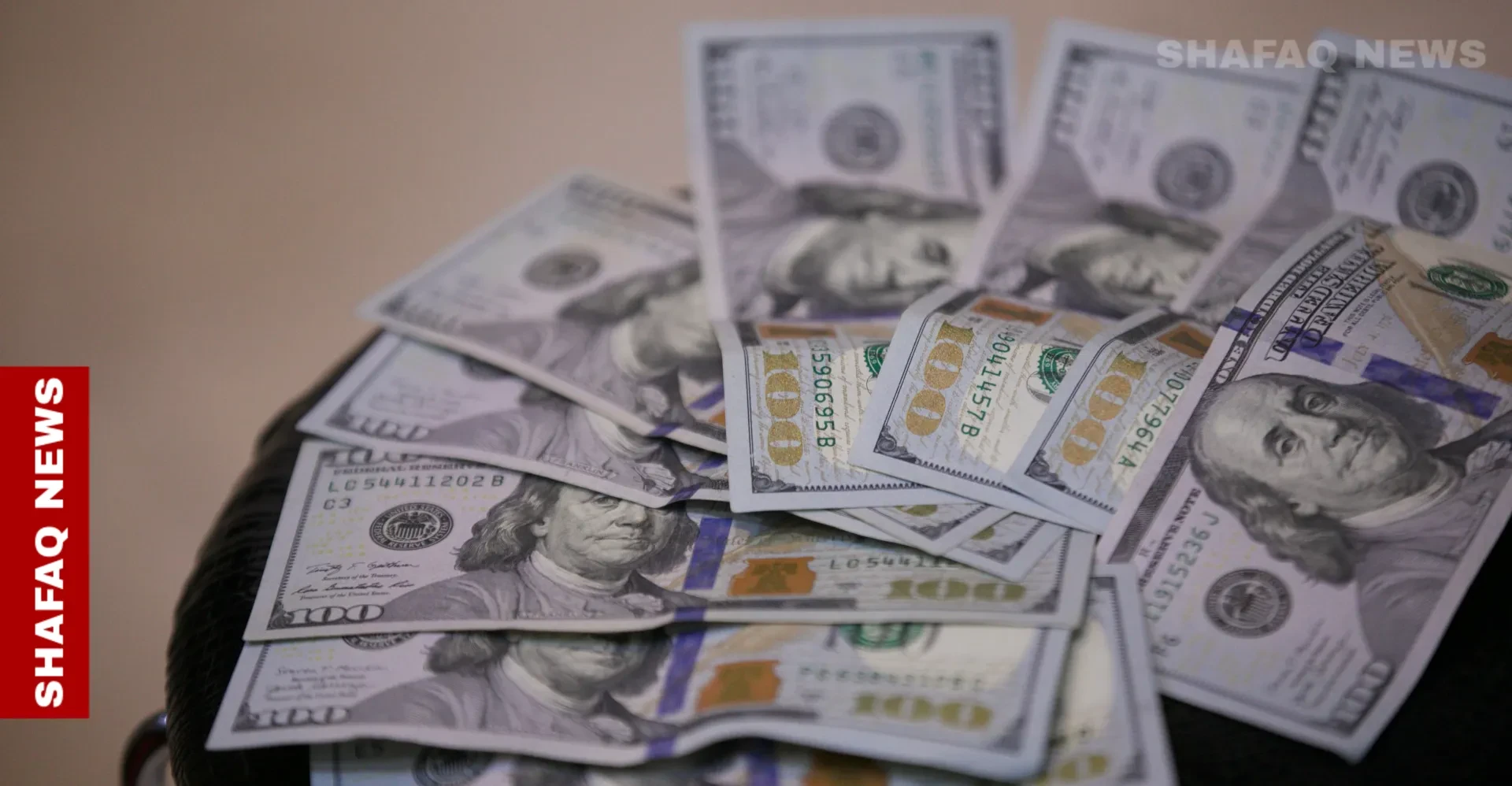 Economic expert Mohammed Al-Hassani suggested on Tuesday that the decision by the Central Bank of Iraq to reduce the amount allocated for air travelers from $3,000 to $2,000 will lead to an increase in demand for dollars in the parallel market during the first phase, with some travelers resorting to buying the remaining amount from local markets.
Al-Hassani told Shafaq News Agency that reducing cash allowances will push a segment of travelers who need larger sums to cover travel expenses to compensate for the difference by buying dollars from the parallel market, which may increase the volume of demand and have an impact on the exchange rate if it is not met with an increase in supply.
He added that the impact will not necessarily be large or long-lasting, as it depends on the number of travelers and the actual size of demand, as well as the ability of bank cards to meet spending needs outside Iraq, which is what the Central Bank seeks to enhance within the policy of expanding electronic payment.
Al-Hassani pointed out that the Central Bank’s success in encouraging the use of bank cards outside Iraq may reduce pressure on the parallel market, noting that any rise in the dollar’s price will be temporary if it is accompanied by regulatory and supervisory measures that ensure market stability and the availability of foreign currency.
An informed source reported earlier today that new directives were issued by the Central Bank of Iraq to reduce the share of foreign currency (dollars) for travelers to $2,000 instead of $3,000, as part of the approved mechanism to meet travel requests.
According to the source, who spoke to Shafaq News Agency, the decision will include Iraqi citizens departing through all airports and border crossings, whether they are heading for tourism, medical treatment, study, performing Hajj and Umrah rituals, as well as business trips.
The mechanism for delivering the funds will remain unchanged, through government and private banks and approved exchange companies, where the traveler receives his share after his passport is stamped and before the flight’s departure time.
According to the source, the new instructions included travelers whose circumstances require additional funds (for exceptional medical or commercial reasons) relying on electronic payment cards and loading them with additional balance, stressing that spending outside Iraq through these cards will be done according to the official exchange rate of 1320 dinars per dollar.
Shafaq.com