
Al-Zaydi announces the date for “monopolizing weapons” and reveals a settlement with those involved in corruption.
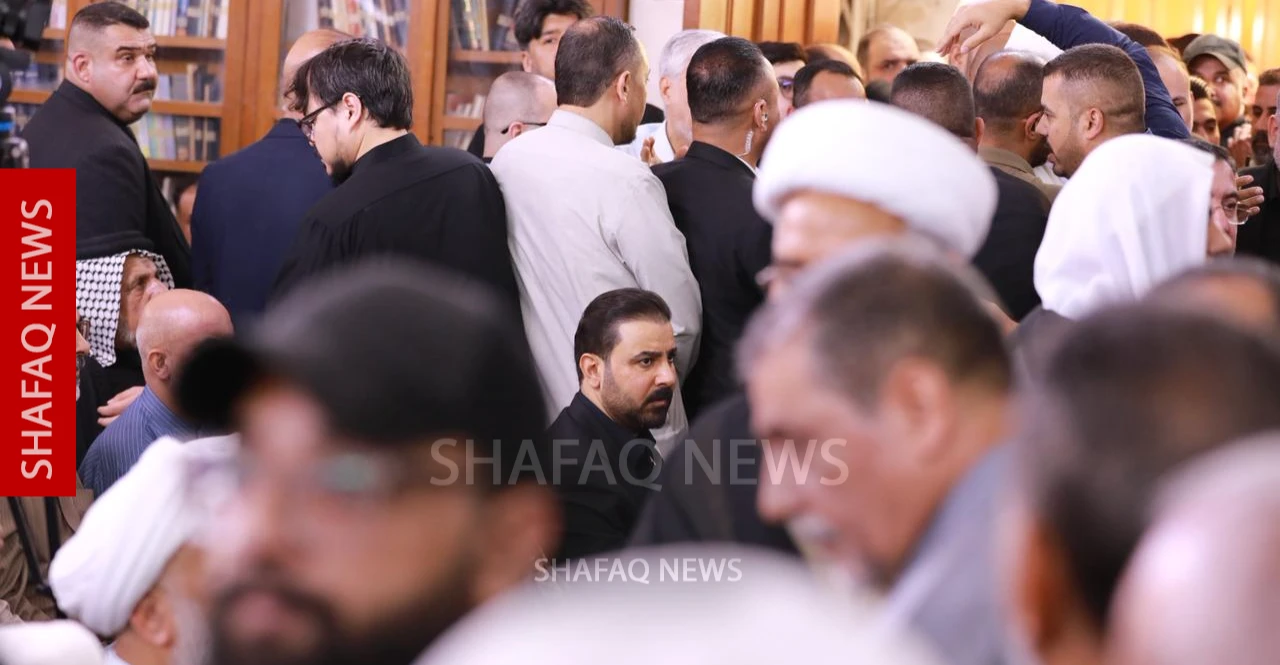 Iraqi Prime Minister Ali al-Zaidi affirmed on Monday that his government is committed to ending the proliferation of weapons outside the state’s control and combating corruption. He announced the convening of a “National Sovereignty Conference” at the end of this year to enshrine the state’s monopoly on force, while also revealing a plan to reach legal settlements with those involved in corruption cases in exchange for the return of looted funds.
Al-Zaydi said in an interview with the newspaper “Al-Sharq Al-Awsat”, which was reviewed by Shafaq News Agency, that the decision to combat corruption is “final and irreversible”, stressing that corruption has become a threat to the existence of the Iraqi state, and that those who entered state institutions with the aim of stealing “no longer have a place.”
He added that the government is working to end the system of corruption and close that chapter, stressing that “there is no place for corruption, and no place for weapons outside the state.”
He explained that the government will announce at the end of this year the “National Sovereignty Conference,” which will enshrine the monopoly of force in the hands of the state and its security apparatus only, stressing that “there will be no entities carrying weapons outside the framework of the state.”
In the file of recovering funds, Al-Zaydi revealed that the Minister of Finance had directed the opening of a special account to return the looted funds, indicating that the government is moving towards a settlement with those who return the corruption funds, while preserving the rights of Iraqis in accordance with the law and the confidentiality of the procedures, while warning that those who refuse to return the funds “will have a different stance from the government.”
On foreign affairs, the Prime Minister stressed that “Iraq comes first, and nothing precedes the interest of Iraqis,” noting that the country’s interest requires building distinguished relations with the international community, neighboring countries, and the Arab Gulf states.
Al-Zaydi’s statements come in conjunction with a campaign of arrests targeting political officials, members of parliament, and businessmen as part of the anti-corruption campaign, which al-Zaydi described, during a cabinet session, as the “first phase” of broader measures to recover public funds, while tasking oversight bodies with receiving any indications related to cases of corruption or negligence in state institutions.
Shafaq.com