
Soon, Baghdad will host international figures: oil, electricity, and strategic partnerships.
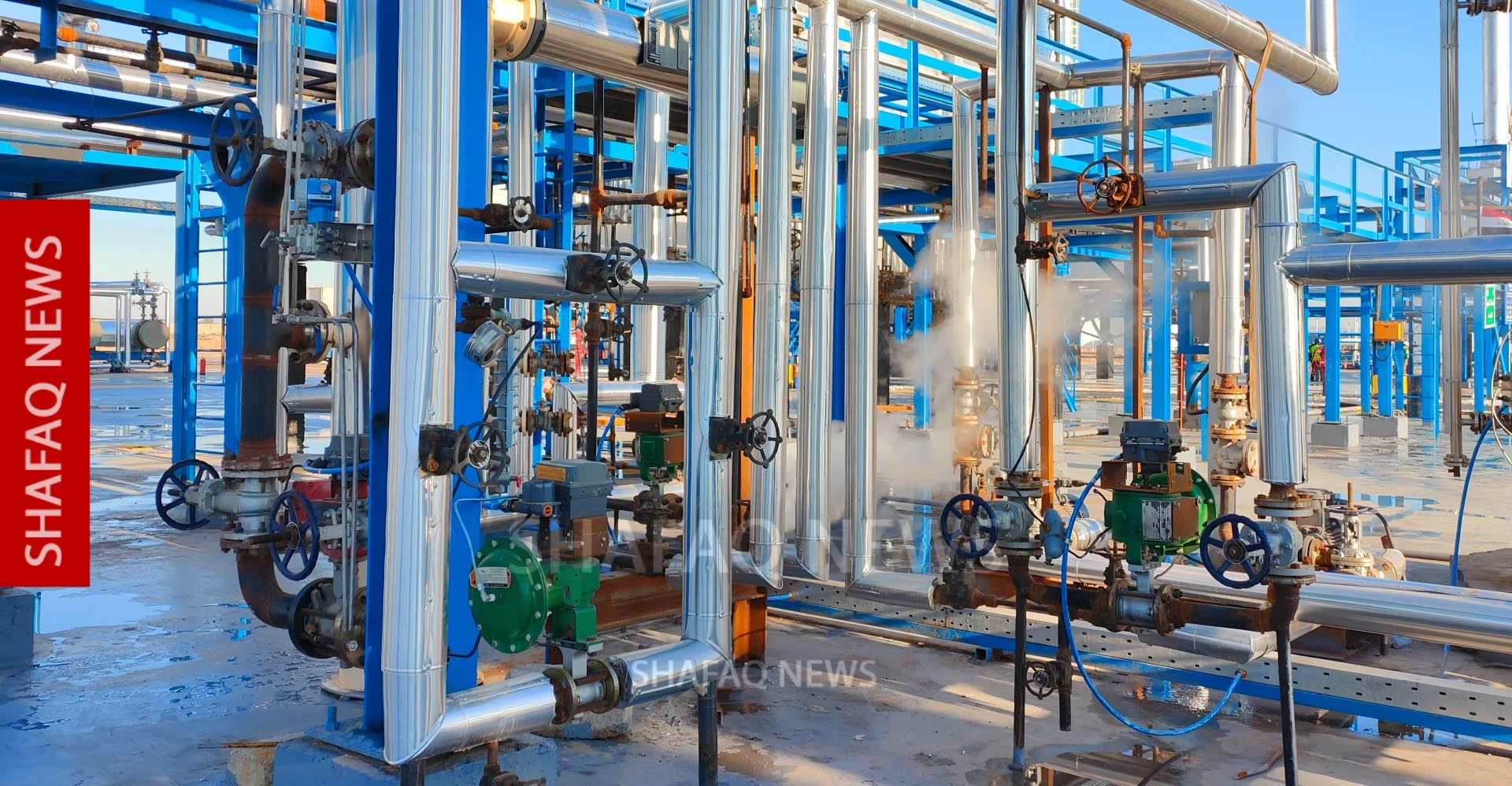 Informed sources revealed on Thursday that important visits by international figures to Baghdad are expected, to conduct economic understandings that will bring mutual benefit to the parties concerned, just hours after reports spoke of the possibility of Iraq withdrawing from OPEC, and the repercussions of this decision on the global energy market.
A government source told Shafaq News Agency that “figures and representatives from some European Union countries will soon visit Iraq to reach understandings that achieve common interests, which will include presenting offers and economic partnerships in developing the energy sector in Iraq, including the oil and electricity sectors, in order to reach self-sufficiency and resolve the problem of supply hours.”
The source added that “among the proposed offers is the processing of associated gas and making the most of it in order to achieve self-sufficiency within a short-term plan not exceeding two years.”
He pointed out that “supporting electricity production, along with proposals to implement projects to increase storage capacity and to acquire a joint maritime fleet with important countries, including the United States, is being arranged, with the aim of expanding the volume of Iraq’s crude oil exports.”
Oil Ministry spokesman Salim al-Rikabi had hinted, in a comment seen by Shafaq News, at the possibility of withdrawing from OPEC if the production level allocated to Iraq is not increased in line with its production capabilities and future needs.
In this context, economic analyst Joel Rimmer, who specializes in the global stock market, revealed on Thursday the repercussions of Iraq’s exit from the Organization of the Petroleum Exporting Countries (OPEC) on the future of the global oil market, stressing that recent reports from Baghdad carried a message that said, “Either allow production to increase more freely or we will leave the organization.”
Reimer said in an analysis published on the MarketWatch website and translated by Shafaq News Agency that “Iraq’s threat to withdraw from OPEC appeared deliberate and intentional, and any progress in this direction will have major repercussions on the global oil market, as an increase in Iraqi production outside the quota system could put strong pressure on prices that are already witnessing a significant decline.”
According to the analyst, Qatar’s exit from OPEC in 2019 and the UAE’s withdrawal on May 1, 2026, did not pose a major threat to the organization, given that Doha was primarily focused on gas production, while the UAE’s production was only about 3.4 million barrels per day.
As for Iraq, the situation is different for it, as it is one of the founding members of the organization when it was established in 1960, and the second largest producer in it after Saudi Arabia, with a production of about 4.5 million barrels per day, according to him.
Reimer stressed that Iraq’s importance goes beyond its membership in OPEC, because the size of its production makes it a pivotal player in the global supply and demand equation, noting that the Iraqi position carries an indirect message to Saudi Arabia and the influential countries within the organization regarding Baghdad’s dissatisfaction with the current production ceilings imposed on it.
The US Energy Information Administration estimates that Iraq, if it ignores production quota restrictions, could raise its production to seven million barrels per day by 2029, an increase of more than 75% compared to current levels.
Reports also indicate that major American companies such as ExxonMobil, Chevron and Halliburton may be among the biggest beneficiaries of any anticipated investment expansion in the Iraqi oil industry.
Reimer concluded that OPEC losing a founding and major member like Iraq shortly after the UAE’s withdrawal could lead markets to question the organization’s ability to control or support oil prices when they decline.
The economic damage inflicted on the Gulf states by the war with Iran has created significant financial needs for reconstruction and investment, which may prompt some producers to demand an increase in their production quotas, raising the likelihood of a future oil supply surplus and increasing pressure on global prices.
Shafaq.com