
“Suspending the dollar”: An American institute proposes security and financial pressures on Iraq
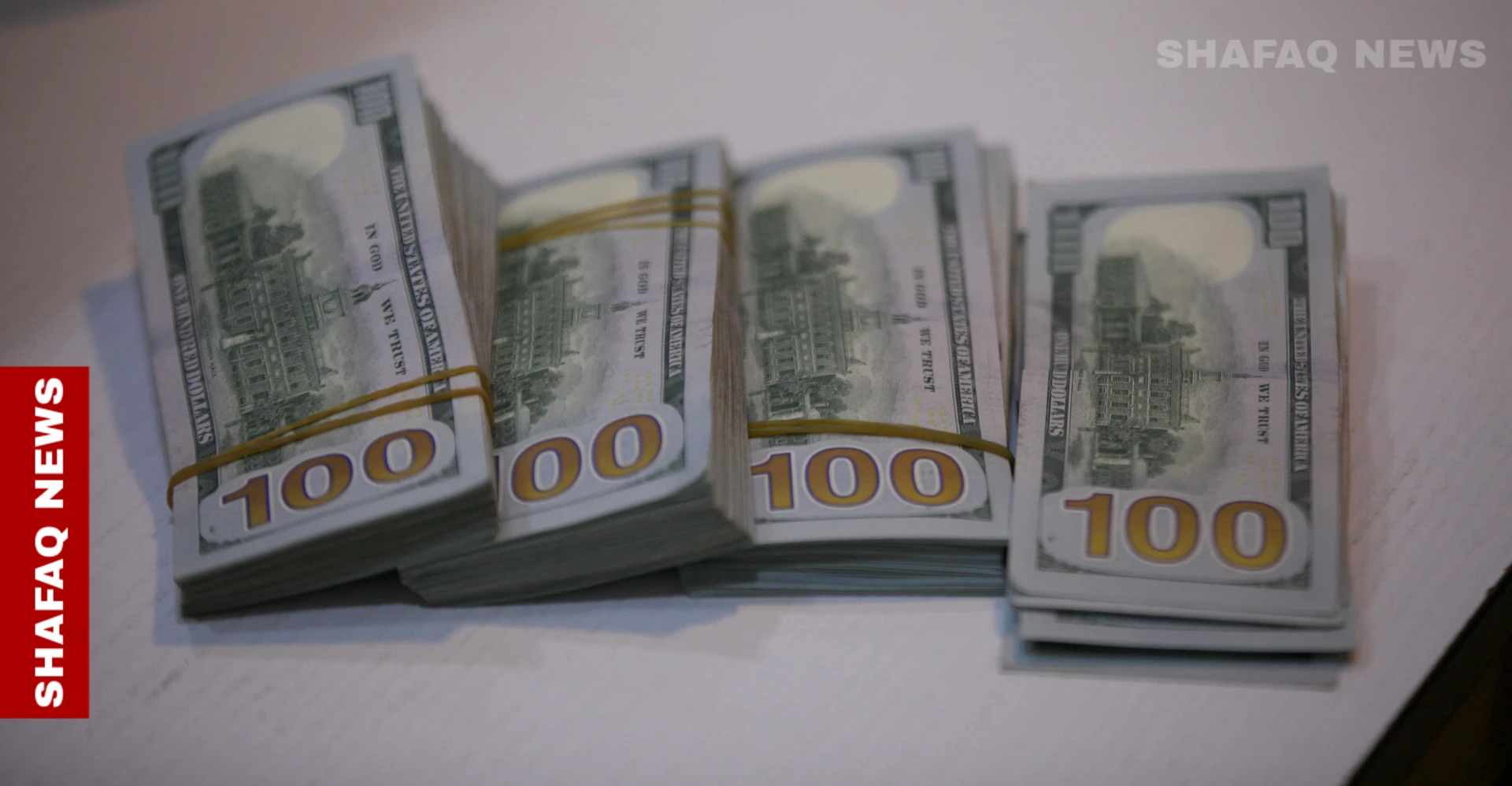 The US-based Foundation for Defense of Democracies blamed “Iraqi militias linked to Iran” for Washington’s suspension of dollar shipments to Baghdad, describing the move as “correct” and potentially useful for security and financial pressure on Iraq, and calling for an investigation into the activities of “Al-Nahrain Islamic Bank”.
While the American Institute indicated in a report translated by Shafaq News Agency that the United States has been transferring funds in amounts ranging from $400 to $500 million each time to Baghdad for many years, it pointed out that the US Treasury Department stopped sending these shipments related to Iraqi oil sales.
After the report noted that Iraqi militias linked to Iran had carried out hundreds of drone and missile attacks on American targets throughout Iraq, including the US embassy in Baghdad, it concluded that the comment was justified and that its usefulness depended on how Washington used it.
In this context, the report noted that Iraq is critically dependent on dollar inflows, but that the Iraqi government, and especially the Ministry of Oil, is deeply entangled with militias, adding that the suspension is being used correctly and serves as an effective, short-term financial lever for both security and financial pressure.
The report continued that without the dollar shipments sent from New Jersey to Baghdad, the economic demand for dollars in Baghdad is increasing, which weakens the relative value of the Iraqi dinar, which in turn makes importing goods such as food and fuel more difficult.
According to the US report, when shipments of dollars are transferred to Iraq, they sometimes end up in the hands of militias through banking services, including groups such as Kataib Hezbollah and Popular Mobilization Forces factions that run construction and import companies, currency exchanges, and security contracting.
The report considered that a large part of the problem lies with the state-owned Rafidain Bank, as it is the final means of distributing oil revenues deposited in the Federal Reserve Bank of New York, which reach Iraqi society, especially civil servants, after until recently it also reached members of the Popular Mobilization Forces through their salaries, which were forced by pressure from the Treasury Department to be transferred to the smaller, state-owned Al-Nahrain Islamic Bank.
The report concluded that this contributed to moving the problem to another place instead of solving it.
The report noted that a prolonged dollar shortage would fuel inflation and monetary instability, further weakening the Iraqi government’s power against militias. It recalled that U.S. State Department officials have long expressed concern that the more Baghdad struggles to pay salaries and manage the value of the dinar, the more space there will be for militias to fill the void with their own parallel networks of patronage and coercion.
After noting that the United States must push for Iraq’s compliance but without draining its economy, the report argued that suspending dollar shipments gives Washington leverage.
On the security front, the report suggested that Washington should pressure Baghdad to strengthen security around American diplomatic facilities before resuming dollar deliveries.
On the financial front, the report called on Washington to continue pushing Iraq away from a cash-based economy, which obscures transactions linked to terrorism, towards reliance on electronic payments.
In addition, the report called on Washington to investigate whether Al-Nahrain Islamic Bank poses a significant risk in money laundering activities and should therefore be subject to administrative measures pursuant to Section 311 of the US Patriot Act, which authorizes the denial of foreign financial institutions’ access to the dollar.
In addition, the report called on the United States to threaten sanctions against ministers and other senior officials involved in smuggling fuel to militias.
The report concluded by calling on Washington to continue pressing for external audits and compliance controls for Rafidain Bank, which is the main instrument for dollar flows, before resuming dollar shipment deliveries, adding that the possibility of obtaining dollars without accountability should not be acceptable.
Shafaq.com