
Hormuz is not the only reason… Brazil removes Iraq from the list of major oil suppliers to China
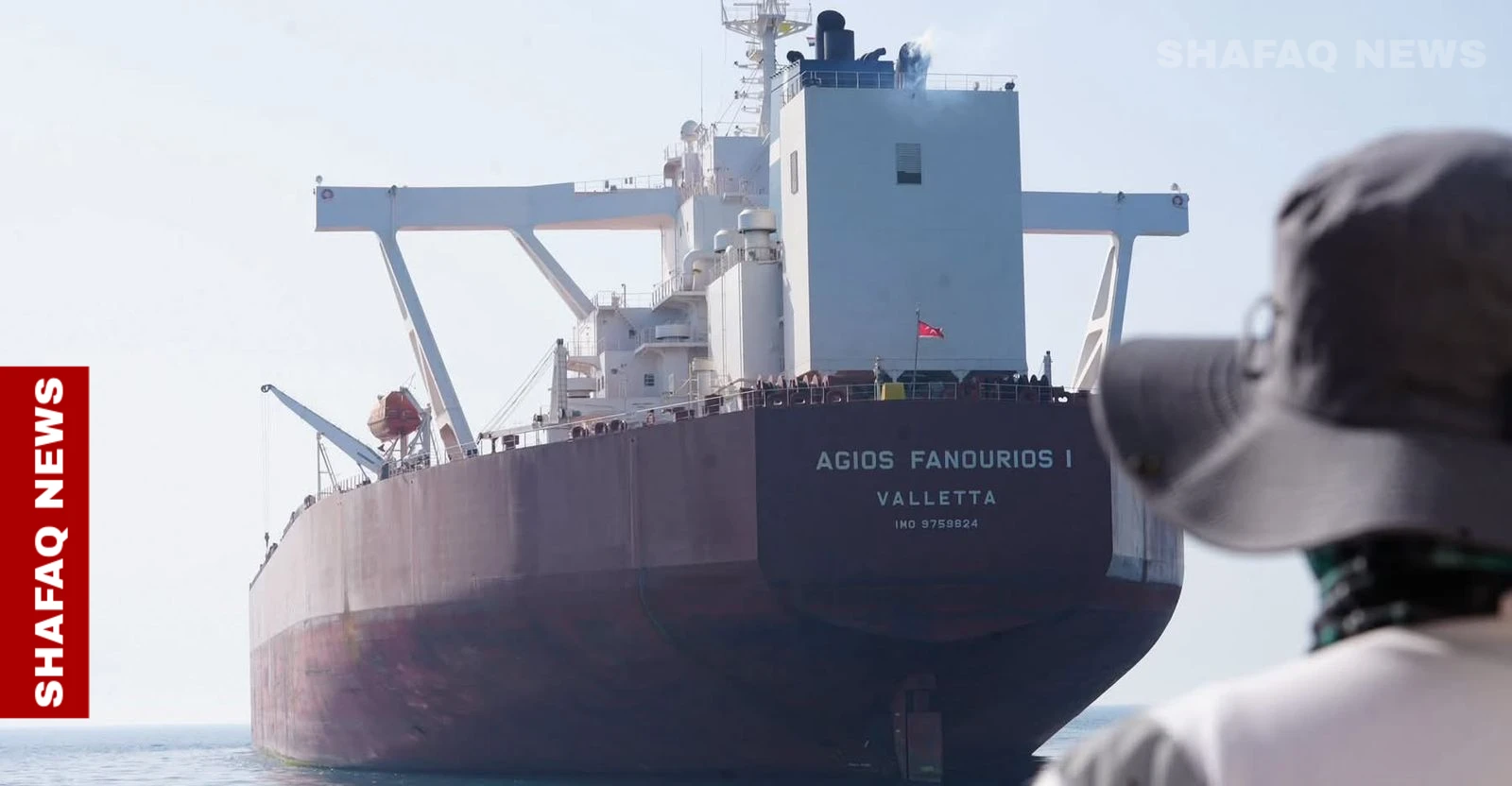 The Iraq Future Foundation for Economic Studies and Consultations reported on Friday that recent data on China’s crude oil imports during the first quarter of 2026 revealed a remarkable strategic shift, with exports from Brazil and Angola recording record increases at the expense of the traditional shares of Iraq and the Gulf states.
The head of the organization, economic expert Manar Al-Obaidi, said in a post that “for the first time in the history of trade exchange, Brazil has succeeded in surpassing Iraq as a major oil supplier to China.”
The causes of superiority: Beyond the waterway crisis
He explained that “the decline in the market share of Iraq and the countries of the region was not only a result of the “Strait of Hormuz crisis,” but several structural factors combined to strengthen the position of the new competitors, including quality and technical specifications, as Brazil and Angola have crude oils that are characterized by a lower sulfur content and higher quality compared to Iraqi oil, making them the preferred choice for Chinese refineries seeking to reduce refining costs.
Al-Obaidi went on to list the factors and pointed to liberation from the constraints of “OPEC+”: As they are outside the organization, Brazil and Angola are not bound by specific production ceilings, which has given them high flexibility in meeting the growing Chinese demand and expanding their market shares without international legal obstacles.
He argued that “geopolitical security” provides a safer shipping route from South America and Africa, away from tensions in the Middle East straits, thus enhancing the sustainability of supplies, in addition to the inter-investments, where huge Chinese investments in the energy sectors of Brazil and Angola have played a pivotal role in consolidating this partnership.
The anticipated “April and May” shock
Al-Ubaidi pointed out that although Iraq currently holds 10% of China’s imports, expectations indicate a sharp decline during April and May, attributing this to the fact that March shipments had already been contracted and moved at the beginning of the year, while the direct impact of the Strait of Hormuz crisis will begin to appear clearly in the data for the second quarter of the year.
Strategic risks and the BRICS dilemma
The head of the organization warned that the “greatest danger” lies in the “entrenchment” of this shift; the close ties that bind China to Russia, Brazil and Angola within the BRICS bloc give these countries a long-term economic and political advantage.
Al-Obaidi concluded by saying: If the crisis lasts for a long time, Iraq may find itself unable to regain its market share even after the situation stabilizes, unless it resorts to a policy of large price discounts, an option that will put the Iraqi general budget under enormous financial pressure and may lead to huge economic losses.
Shafaq.com