
A liquidity crisis is putting pressure on Iraq’s finances; a government advisor proposes two options.
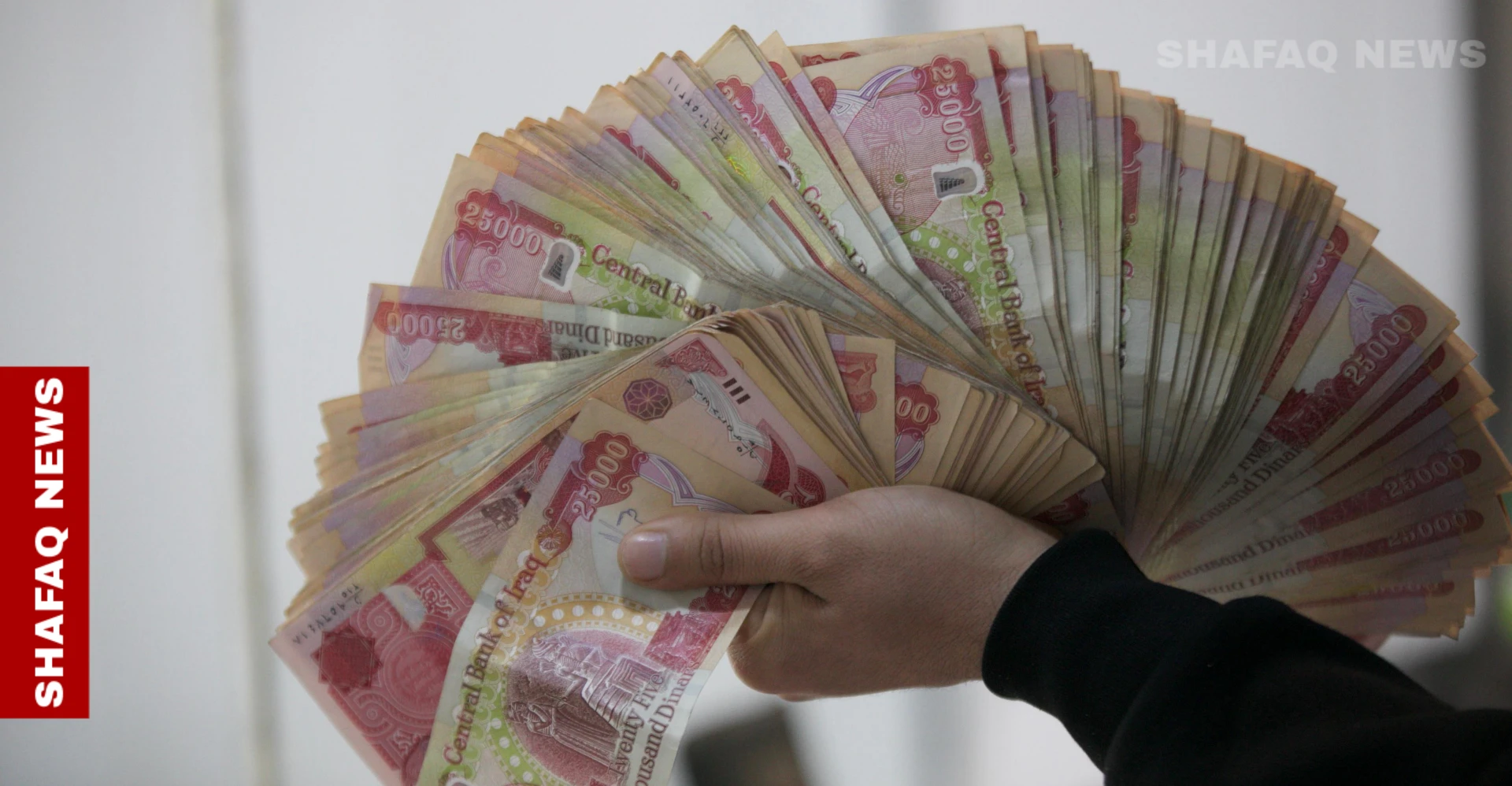 The financial advisor to the Iraqi government, Mazhar Muhammad Saleh, confirmed on Monday that the country’s public finances are facing a liquidity crisis as a result of declining oil revenues due to the repercussions of the Strait of Hormuz crisis, revealing two main options to address the revenue gap and ensure the continuation of government spending.
Saleh told Shafaq News Agency that public revenues may not exceed 4 trillion dinars per month, compared to operating expenses estimated at about 8 trillion dinars, including salaries, pensions and social welfare.
He explained that the current crisis represents a short-term liquidity crisis resulting from an imbalance between incoming cash flows and fixed financial obligations, rather than a structural crisis in the state’s financial capacity.
He explained that the first option is to resort to internal financing through the issuance of short-term government debt instruments and the activation of open market operations in coordination with the central bank, to provide urgent liquidity that enables the state to meet its obligations, warning of potential inflationary pressures and risks to the exchange rate if these measures are not managed carefully.
He added that the second option is to borrow externally through international financial institutions or global capital markets by issuing international bonds or loans with sovereign guarantees, noting that this path supports foreign reserves and enhances the stability of the dinar, but it may be linked to reform conditions.
Saleh suggested adopting a mix of rapid domestic financing to cover immediate needs, and external borrowing later to enhance financial stability in the medium term.
He stressed that the success of this approach depends on controlling public spending, improving non-oil revenues, maintaining exchange rate stability, and restoring optimal oil export capacities.
He concluded by saying that the Strait of Hormuz crisis has once again highlighted the fragility of Iraq’s dependence on oil revenues, and the need to build more flexible and sustainable financial instruments.
Shafaq.com