
“Within days”… Iraq to resume pumping its oil through the “Kirkuk-Ceyhan” pipeline
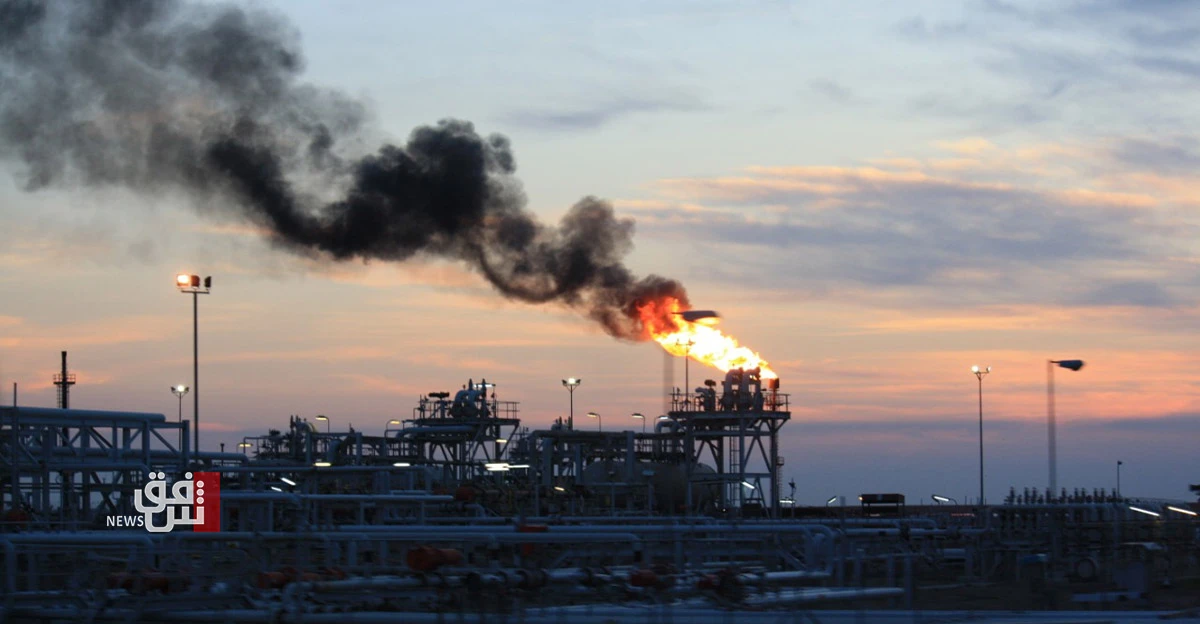 On Monday, an official source at the North Oil Company revealed that the work of connecting all secondary pumping stations linked to the (K1) and (AT1) stations in Kirkuk has been completed, in a preliminary step to restart the oil pumping system in the next few days via the “Kirkuk-Ceyhan” pipeline.
The source told Shafaq News Agency that “the technical and engineering staff were able to complete the connection of all secondary pumping stations within the system linked to the K1 and AT1 stations,” indicating that “actual pumping operations will begin within days, preceded by a trial pumping phase to ensure the network’s readiness and operational efficiency.”
This development comes at a time when stakeholders are seeking to reactivate the infrastructure of the oil sector in Kirkuk, following periods of shutdown and technical and security challenges that have affected the stability of transportation and export operations.
K1 station is one of the most important strategic stations in the oil transport system in northern Iraq, as it represents a key connection point for pipelines extending towards export, while AT1 station contributes to supporting pumping operations and enhancing the flexibility of the oil network.
According to experts, completing the connection works between the secondary stations represents an important technical step to ensure the stability of oil flow and reduce the rates of malfunctions or interruptions, as well as raising the operational efficiency of the system as a whole.
In this context, experts believe that resuming pumping operations would contribute to boosting oil revenues, especially given the Iraqi economy’s heavy reliance on oil exports as a primary source of income.
Positive indicators
For his part, Ali Khalil, an economic expert, told Shafaq News Agency that “the reactivation of pumping stations in Kirkuk represents an important step towards increasing Iraq’s export capacity, especially from the northern fields, which have large production capacities but have not been fully exploited in the past.”
He added that “improving the infrastructure of the oil transport sector will contribute to reducing technical bottlenecks and raising export efficiency, which will directly reflect on the size of the state’s financial revenues,” noting that “any increase in oil exports will provide additional support for the general budget, especially in light of the economic challenges facing the country.”
Khalil explained that “the stability of pumping and export operations from Kirkuk can enhance the confidence of foreign companies operating in the oil sector and open the door to new investments in field development and infrastructure,” noting that “this requires continued government support and the provision of a safe and stable working environment.”
Regarding local repercussions, the economist pointed out that “revitalizing the oil sector in Kirkuk may contribute to boosting the local economy by providing direct and indirect job opportunities and stimulating related sectors such as transportation and services.”
He also pointed out that “increased production and exports may give the government more financial space to improve basic services, especially in oil-producing provinces that suffer from a lack of infrastructure.”
Despite these positive indicators, Khalil stressed the need to “manage oil resources efficiently and transparently to ensure maximum economic benefit from them,” calling for “diversifying income sources and not relying entirely on oil to reduce the impact of global price fluctuations.”
Full readiness
Meanwhile, the source at the North Oil Company confirmed that “the next phase will witness close monitoring of the experimental pumping operations, to ensure that there are no technical obstacles,” noting that “the technical staff are ready to deal with any emergency that may occur during the operation phase.”
The resumption of pumping operations from Kirkuk stations is expected to contribute to strengthening Iraq’s position in the energy markets, especially with the increasing global demand for oil, giving the country an opportunity to maximize its revenues and achieve greater economic stability in the coming period.
Shafaq.com