
Minerals and “white gold” put Najaf on the investment map in Iraq
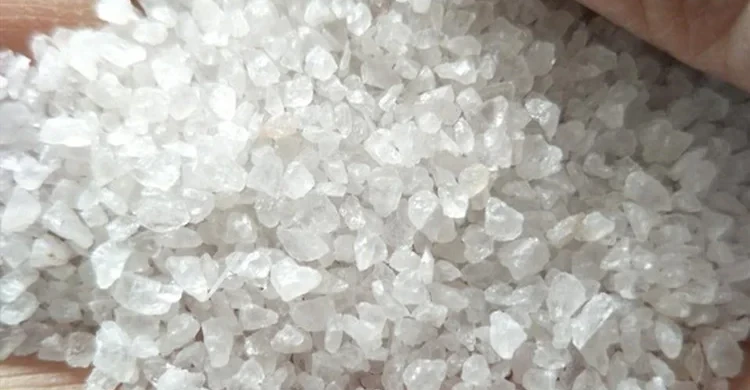 The Iraqi Geological Survey Authority confirmed on Tuesday that Najaf Governorate represents one of the most prominent areas for mining investment in Iraq, due to its strategic mineral wealth and high-quality silica sand (white gold).
Senior Geologist Haider Hadi Abdul Zahra, director of the Najaf office of the commission, told Shafaq News Agency that “the commission is working to promote mineral investment within an integrated industrial, geological and economic environment, given the importance of this sector in supporting the national economy and diversifying sources of income.”
He added that “the Authority seeks to develop and promote mineral investment in various regions of Iraq by developing the mining industry and making use of natural resources, while opening the door to investments in accordance with the amended Mineral Investment Law No. (91) of 1988, in a manner consistent with market requirements and contributing to the development of the industrial sector.”
He explained that “the Najaf office provides facilities for the work of the Authority in the covered governorates, through monitoring the field activities of mineral investment operations, providing scientific and technical expertise related to mineral wealth and ways to invest in it, as well as supporting the field teams with experts and technicians to complete mining projects.”
He pointed out that “Najaf Governorate possesses important mineral resources, most notably high-quality limestone deposits that are used in the manufacture of cement, marble substitutes and building materials, making it a key factor in supporting housing and urban development projects.”
He added that “the governorate also contains strategic reserves of pure quartz sand and sand suitable for casting used in the ceramics and industrial molds industries, as well as high-quality silica sand used in the manufacture of colored glass.”
He explained that “there are other types of sand used in filtration systems (water filters), in addition to the sand used in the manufacture of concrete bricks, clay bricks, and standard sand used in the manufacture of cement, as well as valley deposits that provide building sand, gravel, and aggregates used in construction work.”
He pointed out that “one of the most prominent indicators of the presence of strategic minerals in Najaf is the mineral strontium sulfate, which is used in advanced industries such as radar and television screens, which enhances the opportunities for advanced industrial investment in the governorate.”
He stressed that “the diversity of mineral reserves in Najaf provides promising investment opportunities in the mining sector, especially in the cement and silica sand industries, which contributes to supporting the national economy and promoting sustainable industrial development.”
Official reports and geological experts confirm that Iraq possesses huge reserves of high-purity silica sand, which is called “white gold” in economic circles, ranging between 350 million confirmed tons and expectations of up to one billion tons in the Anbar and Najaf deserts.
This resource is of paramount strategic importance as it is the primary raw material for the clean energy revolution and the manufacture of solar panels, electronic chips, and optical fibers.
With the purity of these sands reaching 99%, Iraq seeks to transform them from a raw material into advanced manufacturing industries, which could boost the general budget by billions of dollars and provide more than 10,000 job opportunities, coinciding with expectations that the global silica market will grow to reach $85.86 billion by 2033.
Shafaq.com