
Warnings of a “salary shock” in May… A 5 trillion deficit puts pressure on government formation and budget approval.
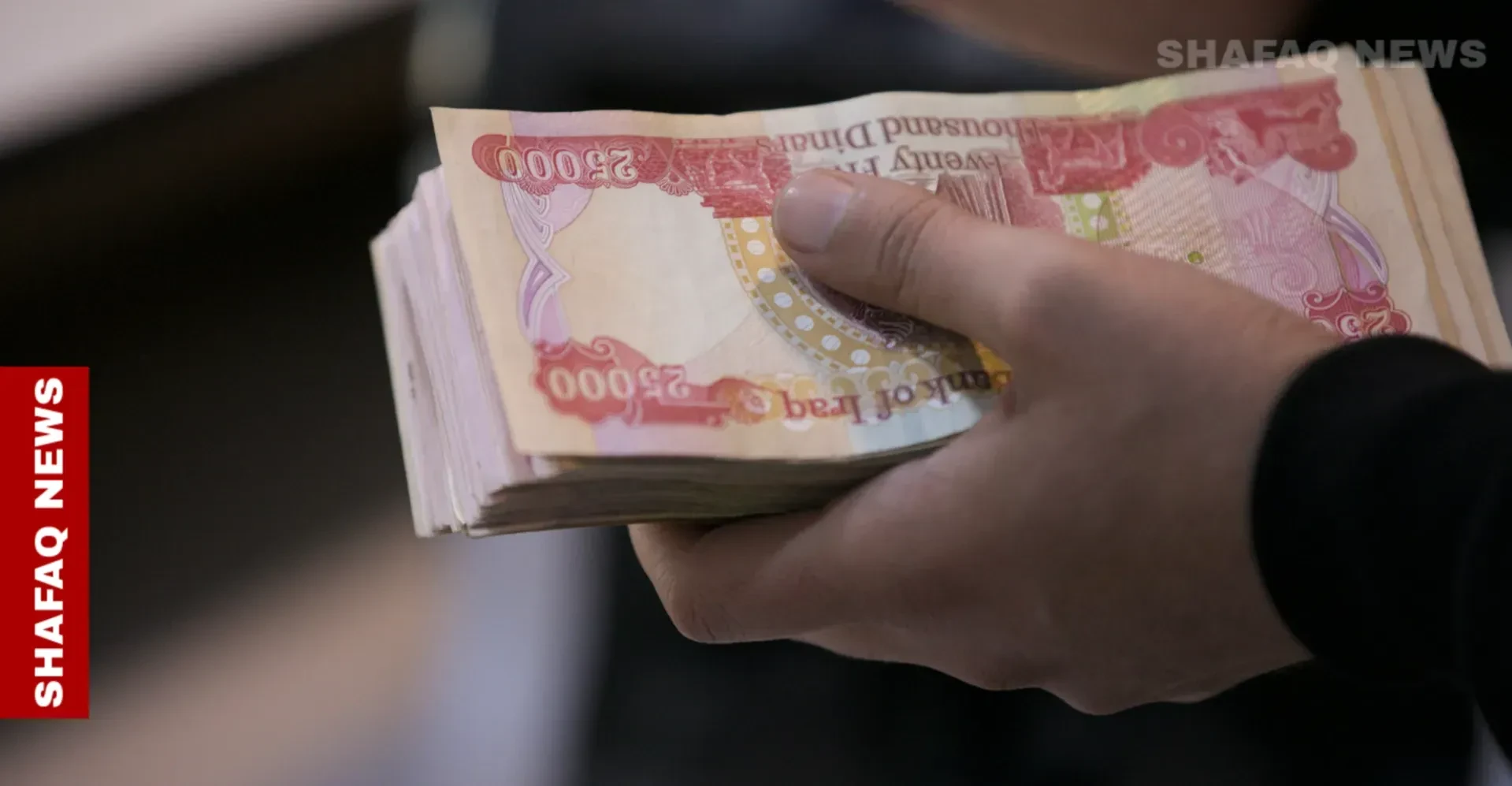 On Thursday, economist Nabil Al-Marsoumi warned of a potential shortfall of up to five trillion dinars in securing employee salaries for the month of May due to the sharp decline in oil sales caused by the disruptions in the Strait of Hormuz. He urged the swift formation of the next Iraqi government with full sovereign powers to meet the needs of citizens by preparing the current year’s budget.
Iraq needs more than nine trillion dinars per month, equivalent to (six billion dollars), to secure the salaries of public sector employees and workers, retirees, and to provide social welfare and food basket grants, relying on more than 90% of the financial revenues generated from oil exports, which have decreased by more than 80% after the disruption of energy supply chains in the Strait of Hormuz due to the escalating pace of military escalation in the region.
In this regard, Al-Marsoumi said in an analysis he published that although Iraq continued to export oil through the Strait of Hormuz until the eighth of March, oil revenues did not exceed $1.9 billion, which is equivalent to about 2.5 trillion dinars, indicating that according to these data, the country needs another 5 trillion dinars just to pay next month’s salaries.
He stressed that “it is necessary to expedite the formation of a fully empowered Iraqi government and prepare the 2026 budget in order to give the government the legal cover for internal and external borrowing, discounting remittances at the Central Bank of Iraq, and taking other measures to meet the basic needs of the Iraqi people, especially those related to salaries, social welfare, and the most important services such as water, electricity, and others.”
Iraq is experiencing a state of “political deadlock” as the forces and parties that won the legislative elections held in late 2015 have not been able to complete the constitutional requirements, including electing a new president of the republic and assigning a prime minister to form the next government. The steps achieved so far have been limited to electing the parliament’s leadership only.
Observers warn of the repercussions of this continued delay on the political, economic and service levels in the country, especially in light of the rapidly escalating security and geopolitical tensions in the Middle East region, which necessitate the existence of a fully empowered government to manage the current crises.
Shafaq.com