
Three trillion dinars annually: A parliamentary plan reveals Iraq’s path towards oil self-sufficiency.
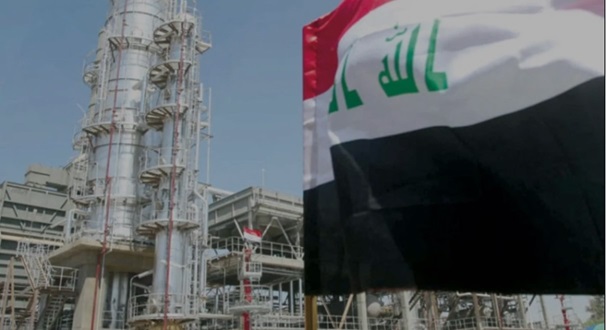 On Tuesday (January 13, 2026), MP Mudhar Al-Karawi presented a comprehensive strategic vision regarding the expansion of oil refineries in the country, stressing that it would support the general budget by no less than three trillion dinars annually, and contribute to creating three positive dimensions for the national economy.
Al-Karawi said in a press statement: “Expanding oil refineries in Iraq represents a strategic option with significant dimensions, based on approved technical and economic plans. Therefore, we adopt this path because it achieves three main objectives, most notably enhancing energy security, reducing dependence on imports, and maximizing the added value of crude oil.”
He adds that “this approach also contributes to supporting the national economy and protecting the country from fluctuations in global oil prices, especially since the oil derivatives market is one of the most important and fastest growing markets in the region and the world.”
Al-Karawi pointed out that “attempts to cast doubt on this program are not based on any sound scientific or economic data, and therefore it is necessary to move forward with this file because it reflects a true understanding of energy and oil industry policies, and is consistent with the requirements of long-term strategic planning that the state should adopt.”
He stressed that “expanding refineries and increasing their production capacity can contribute to supplying the treasury with revenues of at least three trillion dinars annually, which makes this program not a circumstantial option or an individual effort, but rather a fundamental pillar for achieving economic and political stability, and an important part of the comprehensive national security system.”
On January 9, 2026, economist Nabil Al-Marsoumi confirmed that oil prices had risen significantly due to escalating concerns about supplies from Iran.
Al-Marsoumi stated in a Facebook post that “the price of Brent crude rose to $63 as a result of concerns about disruptions to Iranian supplies, which produce 3.3 million barrels per day and export more than one million barrels.”
He added that “oil prices could see a significant increase if the current demonstrations and protests in Tehran turn into a military clash between Iran and both the Zionist entity and America, as happened in the last war.”
He added that “the global energy market could be severely shaken if Iran targets Gulf oil facilities or the Strait of Hormuz, because geopolitical tensions would directly affect supplies, as the region currently exports a third of global exports and a fifth of gas exports.”
Burathanews.com