
“The US Defense Act 2026”: Strict conditions on Iraq and a firmer presence in Syria
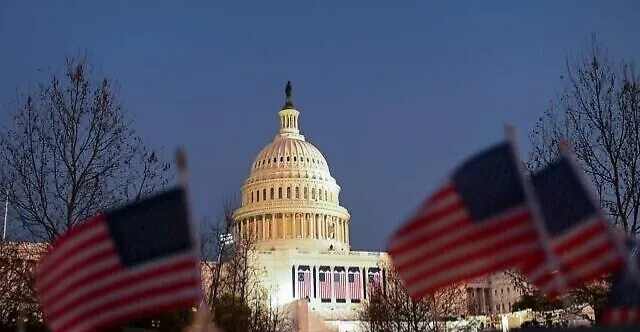 The text of the National Defense Authorization Act for fiscal year 2026 reveals a package of strategic decisions that reshape the American military presence in the Middle East, and establish new parameters for the relationship with the Baghdad government, while extending operations against ISIS.
The US House of Representatives passed the bill by an overwhelming majority (312 votes to 112), and it now heads to the Senate for final ratification.
Officially ending the “state of war” with Iraq
In a long-awaited historic move, Congress formally repealed two key authorizations used to launch military operations in Iraq: the 1991 resolution concerning the First Gulf War (the liberation of Kuwait), and the 2002 resolution that paved the way for the invasion of Iraq and the overthrow of Saddam Hussein’s regime.
This repeal ends the legal basis that US presidents have relied on for decades to launch military operations in Iraq without consulting Congress, thus closing the chapter on “open-ended wars”.
Freezing funds for “security cooperation” and conditions for “disarming militias”
Despite the repeal of the war authorization, Congress tightened its grip on security assistance to Iraq, with legislation freezing 50% of the Office of Security Cooperation in Iraq (OSC-I) budget for 2026.
Her release was contingent upon the Minister of Defense providing a “certification” that the Iraqi government had taken credible steps to “reduce the influence of pro-Iranian militias” through a public and verifiable Disarmament, Demobilization and Reintegration (DDR) process, and to enforce state sovereignty by strengthening the authority of the Prime Minister as Commander-in-Chief of the Armed Forces.
The US Secretary of Defense was given the authority to suspend this freeze for 180 days if national security interests so required.
Congress stressed the need to investigate and hold accountable security elements or “militias” operating outside the official chain of command and involved in attacks against U.S. or Iraqi forces.
Syria: Preventing withdrawal and securing detention camps
On the Syrian issue, Congress adopted a hardline stance against any sudden military withdrawal and prohibited the reduction of bases. The law also prohibited the use of any funds to reduce the number or merge US military bases in Syria unless the Secretary of Defense and CENTCOM provided certification confirming that the new situation would not affect the ability to combat terrorism, along with a plan to close any security gaps.
Securing the Al-Hol and Roj camps
The law (Section 1216) obliges the US Department of Defense to take urgent measures to support the protection of detention camps for ISIS members and their families (Al-Hol and Roj), and to support local partners (SDF) to prevent the escape of detainees or the return of extremism, while submitting a detailed annual report on plans to return detainees to their countries.
Extending counter-ISIS operations and supporting partners
The law affirmed the continuation of the war on terror by extending the following legal authorities until December 31, 2026: providing assistance to vetted Syrian groups and individuals, providing support for operations against ISIS, and compensating coalition countries that support U.S. military operations.
Shafaq.com