Al-Sudani’s office confirms the suspension of appointments and contracts in all government departments.

Al-Sudani’s office confirms the suspension of appointments and contracts in all government departments.

Al-Sudanis office confirms the suspension of appointments and contracts in all government departmentsThe media office of Iraqi Prime Minister Mohammed Shia al-Sudani confirmed on Thursday the suspension of appointments and contracts in all government departments, warning against attempts to entice citizens in this regard as part of the election campaign.

Al-Sudani’s office stated in a statement received by Shafaq News Agency, “It has been observed recently that political parties are trying to entice citizens and delude them into believing that there are appointments within government agencies.”

He added, “We affirm that the three-year budget law voted on by the House of Representatives stipulates in Article 14/Fourth A that appointments and contracts in all government departments be suspended.”

He continued, “Therefore, we call on citizens not to be drawn into these actions that seek to exploit them for personal ends and interests that fall within the scope of electoral propaganda.”

Shafaq.com

Posted in Uncategorized | Comments Off on Al-Sudani’s office confirms the suspension of appointments and contracts in all government departments.

Iraq to drill 27 new oil wells during the first half of 2025

Iraq to drill 27 new oil wells during the first half of 2025

Iraq to drill 27 new oil wells during the first half of 2025The Ministry of Oil announced on Thursday that the Iraqi Drilling Company will complete the drilling and rehabilitating of 113 oil wells during the first half of 2025.

The ministry said in a statement today that the company’s staff completed the drilling of 27 new wells and the reclaiming of 86 wells during the first half of 2025, in support of the ministry’s plans to increase production rates and enhance the efficiency of oil fields.

The statement quoted the company’s general manager, Hassan Mohammed Hassan, as saying that these figures reflect the commitment of national cadres who continue to work efficiently despite the challenges on the ground. He emphasized the senior management’s commitment to developing employees’ capabilities and providing an integrated and safe work environment that ensures achieving the best results within the scheduled timelines.

He added that the company is proceeding with its upcoming projects in line with a vision to expand the scope of drilling and reclamation operations, contributing to supporting the national economy and keeping pace with the aspirations of the energy sector in Iraq.

Shafaq.com

Posted in Uncategorized | Comments Off on Iraq to drill 27 new oil wells during the first half of 2025

Minister: Kurdistan has agreed to all of Baghdad’s demands, but it is seeking to limit the region’s economy.

Minister: Kurdistan has agreed to all of Baghdad’s demands, but it is seeking to limit the region’s economy.

Minister - Kurdistan has agreed to all of Baghdads demands but it is seeking to limit the regions economyKurdistan Region Minister of Endowments and Religious Affairs Pshtiwan Sadiq criticized the federal government’s handling of the region on Thursday, particularly regarding the issue of funding monthly salaries for public sector employees and workers, despite the Kurdistan Regional Government’s agreement to all Baghdad’s demands in this regard.

In a speech delivered to a group of religious leaders in Erbil, Sadiq said that Baghdad has been causing problems for the people of the Kurdistan Region since 2014.

He added that the Kurdistan Region had agreed to all federal government demands and to hand over oil and non-oil revenues in exchange for securing salaries for employees in the region. However, Baghdad was not committed to implementing the agreements and conditions it set.

The minister also pointed out that the federal government is trying to weaken and marginalize the Kurdistan Region economically.

Sadiq continued, “The opposition parties in Kurdistan are playing a detrimental role and are seeking to undermine the constitutional entity of the region. This is extremely dangerous, as any alternative to this entity would be disastrous.”

In a parallel development, the region’s Minister of Health, Saman Barzinji, said in a speech he delivered during the laying of the foundation stone for the rehabilitation of a hospital in Erbil, “We are still groaning under the financial crisis that the Kurdistan Region is experiencing.”

He added, “We hope the federal government will lift the collective punishment imposed on the people of Kurdistan and ratify the agreements as soon as possible.”

Shafaq.com

Posted in Uncategorized | Comments Off on Minister: Kurdistan has agreed to all of Baghdad’s demands, but it is seeking to limit the region’s economy.

Mysterious messages reach Iraqi politicians: “Don’t be puppets”… “A decisive response awaits”

Mysterious messages reach Iraqi politicians: “Don’t be puppets”… “A decisive response awaits”

Mysterious messages reach Iraqi politicians - Dont be puppets... A decisive response awaitsAn Iraqi security expert revealed on Thursday that warning messages had been sent from international bodies to a number of politicians in the country, warning against targeting international coalition forces and threatening a decisive response in the event of any attacks.

Security and strategic expert Saif Raad told Shafaq News Agency, “Since last Saturday, a limited number of Iraqi politicians have received text messages on their personal numbers from international sources, warning them of the consequences of any attack that might target international coalition forces in Iraq.”

He explained that the messages received included direct phrases, including: “A warning to Iranian militias. Any attacks on coalition forces will be responded to swiftly and decisively.” Another read: “Iranian militias continue to endanger Iraqis. Don’t be puppets in Iran’s hands.”

Raad added, “These messages were also accompanied by a voice call relaying the same warnings, indicating a coordinated cyber attack that coincided with security operations in Kirkuk, Baiji, Dohuk, and Sulaymaniyah.”

He concluded by saying, “Iraq is facing sensitive and dangerous security and military developments, and the current escalation could push the country onto a more complex path of confrontation, requiring extreme caution to avoid slipping into a broader conflict.”

Over the past few days, Iraq has witnessed a series of simultaneous attacks believed to be carried out by drones amidst regional tensions and growing domestic escalation, prompting observers to warn of the possibility of the attacks expanding to include international coalition forces.

Shafaq.com

Posted in Uncategorized | Comments Off on Mysterious messages reach Iraqi politicians: “Don’t be puppets”… “A decisive response awaits”

A slight decrease in Iraq’s domestic public debt

A slight decrease in Iraq’s domestic public debt

A slight decrease in Iraqs domestic public debtThe Central Bank of Iraq announced today, Thursday, a slight decrease in domestic public debt by the end of April 2025.

The bank said in official statistics seen by Shafaq News Agency that “Iraq’s domestic public debt decreased at the end of April of this year to reach 85 trillion and 503 billion Iraqi dinars, down from 85 trillion and 536 billion dinars in March.”

The bank added that “the decline was a result of repayments of loans to financial institutions, which reached $19 trillion and 119 billion, down from $19 trillion and 152 billion.”

He pointed out that “the remaining debts are owed by the Ministry of Finance, amounting to 756 billion dinars, and treasury transfer debts at the Central Bank and commercial banks, amounting to 51 trillion and 30 billion dinars, in addition to treasury transfers on the account of the Ministry of Finance amounting to 2 trillion and 30 billion dinars, and national term debts due to farmers amounting to 12 trillion and 568 billion dollars.”

Shafaq.com

Posted in Uncategorized | Comments Off on A slight decrease in Iraq’s domestic public debt

Iran provides 200,000 Iraqi dinars to each Arbaeen pilgrim.

Iran provides 200,000 Iraqi dinars to each Arbaeen pilgrim.

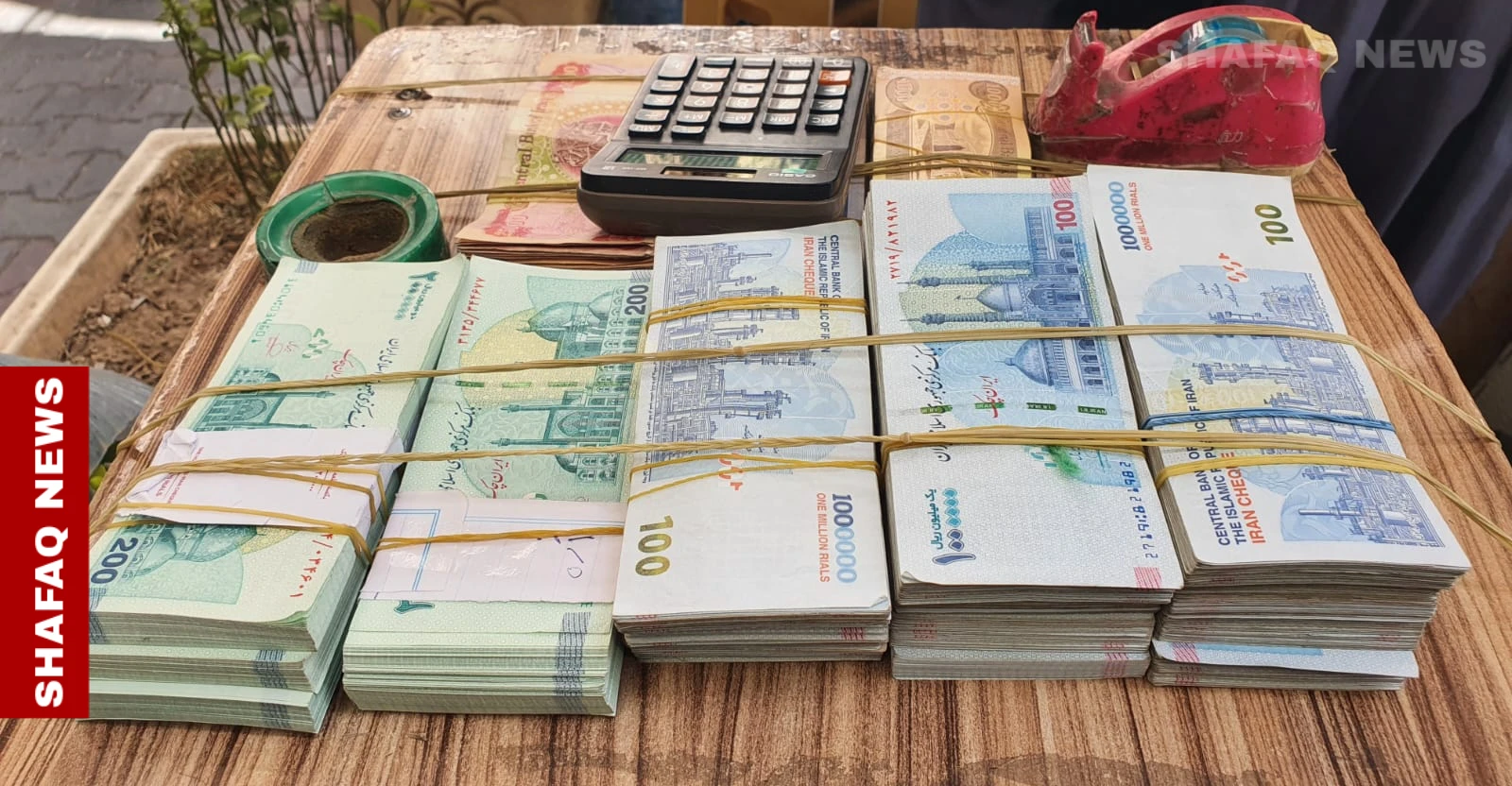
Iran provides 200000 Iraqi dinars to each Arbaeen pilgrimThe Central Bank of Iran announced on Thursday that it will provide 200,000 Iraqi dinars to every Iranian visitor traveling to Iraq for the Arbaeen pilgrimage.

The bank’s public relations director, Mustafa Qamariova, said in a statement reported by Tasnim News Agency that the bank will soon begin distributing the Arbaeen currency, in accordance with the policies followed in recent years.

Qamariova explained, “This year, the Central Bank will also, in accordance with its policy over the past years, provide local Iraqi currency to Arbaeen pilgrims.”

He confirmed that “the necessary preparations have been completed, and details and mechanisms for the exchange and sale of the currency (200,000 Iraqi dinars for each visitor) will be announced soon through the electronic systems of the designated banks.”

Thousands of Iranians travel to Iraq every year to participate in the Arbaeen pilgrimage of Imam Hussein, through land border crossings.

Shafaq.com

Posted in Uncategorized | Comments Off on Iran provides 200,000 Iraqi dinars to each Arbaeen pilgrim.

Iraq plans to receive 4 million containers annually at Umm Qasr Port.

Iraq plans to receive 4 million containers annually at Umm Qasr Port.

Iraq plans to receive 4 million containers annually at Umm Qasr PortUmm Qasr Port in Basra is undergoing rapid development as part of a plan to modernize its infrastructure and enhance its operational capabilities, aiming to increase its annual capacity to 4 million containers.

The port is considered one of the most prominent Iraqi ports, playing a vital role in supporting the national economy and connecting Iraq to global markets. This is achieved through development projects that include expanding docks, establishing advanced storage yards, and adopting modern digital technologies that contribute to accelerating handling operations and improving logistical efficiency.

Investment companies

Several investment companies are responsible for operating and developing various parts of the port. These include the Emirati company Gulftainer, which operates several docks and storage yards and provides integrated customs and logistics services. The Chinese investment company Lorain is also responsible for implementing projects to expand the docks designated for rolling goods and develop large backyard storage areas. These companies, in cooperation with Iraqi personnel, are also contributing to the introduction of digital operating systems that increase performance efficiency and reduce waiting and clearance times.

In this regard, Gulftainer’s Regional Director, Ibrahim Sarhan, told Shafaq News Agency, “Operations at the terminal operated by the company have witnessed a significant shift in recent years,” adding that “the approved electronic system creates a storage plan before the ship arrives, reducing waiting times and increasing handling efficiency.”

He added, “The terminal was built on an area of ​​450,000 square meters and includes storage yards, refrigerated warehouses, and customs and security facilities operating around the clock.” He emphasized that “customs clearance takes no more than 48 hours, which expedites the movement of goods, especially for sectors such as oil and gas.”

Earthquake-resistant sidewalks

Meanwhile, Naim Abboud, chief engineer at the Resident Engineer’s Department, told the agency, “Lorain Investment Company is developing docks (22, 23, and 24) designated for rolled goods, which were built using an earthquake-resistant heavy wall method.” He explained that “the area of ​​the backyards is 384,100 square meters, and the completion rate has reached 50%.”

Aboud pointed out that “berths (12, 13, 14 and 15) are close to completion, with a completion rate of 97%, while the storage yard (BTM) is 100% complete, covering an area of ​​400,000 square metres, with a design capacity ranging between 700,000 and 850,000 containers annually.”

For his part, the technical assistant to the port director, Muhammad Tahir Fadhel, told the agency, “Beach (11) extends 375 meters in length, and the area of ​​its container yard is 307,000 square meters, and its operational capacity reaches 636,000 containers annually, and it is managed by Gulftainer.”

He added that “the quays being implemented by Lorain extend 550 meters in length and have a design capacity of 850,000 containers annually,” noting that “the total capacity of the new yards is estimated at 1.2 million containers, with facilities allocated for refrigerated and empty containers and handling various goods.”

Earlier, the General Company for Iraqi Ports revealed to Shafaq News Agency its comprehensive plan for the port, which aims to increase the design capacity to 4 million containers annually, compared to just 1 million containers in 2024. This is part of a strategic vision to transform Iraqi ports into highly competitive regional supply centers.

Shafaq.com

Posted in Uncategorized | Comments Off on Iraq plans to receive 4 million containers annually at Umm Qasr Port.

A loophole: The Iraqi dollar is being drained by inflated import invoices from three countries.

A loophole: The Iraqi dollar is being drained by inflated import invoices from three countries.

A loophole - The Iraqi dollar is being drained by inflated import invoices from three countriesThe head of the Iraq Future Foundation, Manar al-Obaidi, revealed on Monday that there is an inflated invoice for importing goods to the Iraqi market from countries such as China, Turkey, and the UAE. This is a drain on the dollar by exploiting the difference between the official exchange rate and the parallel market. He emphasized the need to reform the transfer and import mechanisms.

Al-Obaidi said in a statement received by Shafaq News Agency, “When reviewing the export data of a number of countries to Iraq, such as China, Turkey, and the UAE, it becomes clear that there is a clear discrepancy in the values ​​of some exported goods, as these values ​​do not correspond to the actual prices of the goods, and the quantities exported often far exceed the actual needs of the Iraqi market.”

He continued: “For example, the value of Iraq’s imports of Chinese shoes during the first five months of this year amounted to approximately $170 million, while clothing imports amounted to approximately $600 million during the same period.” He explained that “these figures do not reflect either the true volume of demand in Iraq or the global prices of these goods, which strongly suggests that there are inflated invoices, both in terms of quantity and value.”

He pointed out that “some parties exploited the difference in the official exchange rate versus the parallel market to conduct large-scale transfers by inflating import invoices, allowing them to bypass all levels of scrutiny originally put in place to control transfers and ensure they reach the legitimate recipients.”

Al-Obaidi explained that, “Despite the stringent measures taken by the Central Bank of Iraq, including expanded auditing, the current mechanism has proven in practice to be unsuccessful. This is evident not only in countries’ export data, but also in the decline in customs revenues, which remain very modest compared to the volume of goods declared as imported.”

He explained that “it is necessary to adopt a new mechanism aimed at reducing currency leakage by linking bank transfers directly to the customs duty collection process, and not allowing transfers at the official rate until the customs duties due based on the value of the transfer have been paid.”

He emphasized that “this approach will achieve two main goals: strengthening oversight of transfers conducted at the official rate, and increasing the state’s customs revenues by pricing goods in line with their true value.”

He pointed out that “this proposal may raise some reservations, particularly from the perspective of fears of a rise in the exchange rate in the parallel market as a result of tightening transfers, and the view that such measures fall within the purview of fiscal policy, not monetary policy.”

He stated that, “Despite the validity of these reservations, the significant foreign currency outflow and declining reserves Iraq is currently experiencing as a result of uncontrolled import expansion require exceptional measures, even if they have side effects.”

He pointed out that “economic policies, by their very nature, do not produce purely positive effects, but success lies in achieving balance and outweighing the benefits over the harms. Therefore, reforming the transfer and import mechanism is no longer an option, but rather an urgent necessity to ensure economic stability and protect Iraq’s foreign currency reserves.”

Shafaq.com

Posted in Uncategorized | Comments Off on A loophole: The Iraqi dollar is being drained by inflated import invoices from three countries.

Iranian President announces Tehran’s readiness to resume nuclear negotiations

Iranian President announces Tehran’s readiness to resume nuclear negotiations

Iranian President announces Tehrans readiness to resume nuclear negotiationsIranian President Masoud Pezeshkian announced on Monday his country’s readiness to resume nuclear negotiations with Washington to “resolve doubts and allegations.” During a phone call with his French counterpart, Emmanuel Macron, Pezeshkian told the French president that Tehran wants guarantees that its nuclear facilities will not be subjected to any new attacks, noting that “Iran’s principled policy is to avoid any war and resolve issues through diplomacy and dialogue.”

Regarding Iran’s decision to halt cooperation with the IAEA, Pezeshkian noted that “the IAEA’s double standards have caused many problems for regional and global security,” he said.

He added that “suspending cooperation with the International Atomic Energy Agency is a natural reaction to the actions of its director,” noting that he “did not deal fairly with the Iranian nuclear issue,” as he put it.

In contrast, French President Emmanuel Macron said on Sunday that he had sent messages to his Iranian counterpart, Masoud Pezeshkian, during a phone call, emphasizing a return to the negotiating table to address issues related to ballistic missiles and the nuclear program, as well as the resumption of the International Atomic Energy Agency’s work in Iran.

On Friday, Macron warned that the “worst-case scenario” following the “real effectiveness” of the US strikes on Iran’s nuclear program would be Tehran’s withdrawal from the Nuclear Non-Proliferation Treaty.

Burathanews.com

Posted in Uncategorized | Comments Off on Iranian President announces Tehran’s readiness to resume nuclear negotiations

Electronic payment: a step towards enhancing financial confidence and reducing corruption.

Electronic payment: a step towards enhancing financial confidence and reducing corruption.

Electronic payment - a step towards enhancing financial confidence and reducing corruptionIn light of rapid technological developments globally, the shift to digital payment systems has become a necessity to enhance the efficiency of financial and government services, especially in countries undergoing transitions like Iraq. Iraq’s experience in adopting these digital methods reflects the challenges and opportunities that accompany modernizing financial infrastructure, and their impact on expanding financial inclusion, combating corruption, and ensuring transparency in financial transactions. Through the insights of specialists and practitioners in the field, it is clear that the experience has gone beyond simply replacing cash with bank cards, serving as an incentive for structural changes in economic and administrative policies. However, there is an urgent need to address the technical and organizational obstacles to ensure the success and sustainability of this transformation.

Government employee Wassan Sami confirmed that her experience with electronic payments was generally positive, although the system seemed strange at first, given people’s longstanding habit of using cash for their daily transactions.

She explained to Al Sabah: “At first, electronic payment seemed like a new and unfamiliar system, even though we have been receiving our salaries via the Qi Card for years. However, the transition to using the card for daily payments has greatly facilitated the procedures and made transactions more organized and smooth.”

She added that one of the most significant benefits she has noticed compared to cash payments is convenience and time savings, noting that “money is not lost, and we don’t have to deal with the hassle of spending coins. The procedures are also much simpler; we no longer need to receive a paper receipt or visit an employee. All we need to do is enter the required number, and the payment is completed via card within seconds, which has reduced the time by almost half.” Winner Mohammed Hassan began using an electronic payment card after joining a company that relies on electronic payroll payment in 2024, stressing that his experience has been very positive and beneficial.

Speaking to Al Sabah, he said, “The most important benefit I’ve noticed is the convenience and ease of transactions, whether withdrawing or transferring money, especially with the introduction of Mastercard payments at gas stations, which facilitates the speedy completion of transactions within the station.”

Despite this positive experience, Mohammed noted that he encountered a problem once when he attempted to top up his account with 100,000 dinars via an ATM. However, the transaction failed, and the funds were withdrawn from his account. He added, “I contacted the company, and the issue was resolved within a few days, and my money was returned to me.”

He continued, “I have continued to use the electronic payment card until now, and it has become a major part of my daily life. I never leave the card behind. I use it to purchase credit, fill up fuel, and shop online easily and quickly.”

Dr. Ahmed Hadhal, a professor of economics at Al-Mustansiriya University, believes that Iraq has witnessed a rapid shift toward electronic payments in recent years. This shift began in earnest after 2016 with the decision to localize state employee salaries, paving the way for the widespread use of bank cards and bank accounts. He added that the Central Bank has reinforced this trend through several regulatory measures, including issuing instructions to activate bank accounts, encouraging citizens to use modern payment tools, and linking foreign transfers to the compliance platform, leading to remarkable quantitative results.

He pointed out that recent statistics show that the number of activated electronic cards exceeds 20 million, and the number of active bank accounts exceeds 15 million, with annual transfers via these cards exceeding $6 billion. The financial inclusion rate also increased from approximately 22% in 2020 to more than 45% in 2024, indicating a relative expansion in the banking transaction base, especially after the mandatory use of these methods for public sector employees.

However, Dr. Hedhal pointed out that this digital expansion did not fully translate into a tangible improvement in the quality of banking services or citizen satisfaction. The experience was accompanied by a number of problems, most notably poor service from electronic payment companies, the weak response of commercial banks to digital transformation requirements, and the imposition of high and unjustified fees for basic banking services. This created a trust gap between citizens and the banking system, and sometimes led to public dissatisfaction with the adoption of electronic mechanisms without a comprehensive infrastructure.

He added that electronic payment has actually contributed to reducing financial corruption in the payroll sector by eliminating the phenomenon of “ghost workers,” enhancing transparency in public spending and expense classification, and enabling regulatory authorities to track many financial transactions that were previously conducted outside the banking system. However, it has not been sufficiently successful in controlling speculation or narrowing the gap between the parallel market rate and the official exchange rate, which has persisted due to some parties exploiting payment cards to speculate on the dollar or smuggle currency.

Regarding digital transformation in other sectors, Dr. Hathal noted a relative improvement in e-commerce transactions and delivery services, along with the adoption of electronic payment mechanisms for fees and collection by some government agencies. However, weak coordination between institutions, the inefficiency of digital infrastructure, and the multiplicity of service providers without effective oversight remain obstacles that limit the acceleration of comprehensive digital transformation.

Dr. Hithal concluded that achieving true success in the electronic payment experience in Iraq requires a strategic shift in financial and banking policies, based on enhancing citizen confidence in the banking system, improving service quality, reducing bank fees, and linking electronic payment methods to providing real incentives, not just obligations. He also emphasized the importance of stimulating stagnant liquidity in society, noting that more than 90% of the currency remains outside the banking system, representing a missed opportunity for the national economy.

He said, “It can be said that the Iraqi experience in electronic payments has achieved significant strides in terms of infrastructure and quantitative expansion, but it still requires profound reforms in banking governance, service quality, and digital policy integration to establish a robust and inclusive digital economy.”

Anti-corruption activist Saeed Yassin explained that the governance of financial procedures and transactions is a fundamental preventative measure in accordance with international standards for combating corruption and transnational crimes. He pointed out that a significant part of this governance relates to simplifying government procedures for paying fees and collections electronically, ensuring that funds enter the public treasury and are not exposed to theft or assault, as was previously the case when cash was transferred or placed at the disposal of employees, a phenomenon witnessed by several institutions in Iraq.

Yassin added to Al Sabah that the other aspect of these measures lies in containing the crime of bribery by simplifying procedures for reviewing public institutions, adopting a system for booking appointments in advance for review, and paying fees via prepaid cards, which limits the collection of undue tax money or the illegal inflating of fees and levies.

He explained that the review process is subject to careful monitoring and statistics through the management of the “Aur” website and related sites, stressing that this experience has yielded tangible progress. He stated that he personally reviewed several government departments affiliated with the Ministry of Interior, such as the Passports Department, the National ID Card Department, the Traffic Department, and the Residence Card Department, all of which are processed through the pre-booking and electronic payment system, which represents a qualitative leap in combating bribery, transaction delays, and influence peddling that were prevalent in these departments.

Yassin pointed out that the new procedures also include a reporting and complaints system in other institutions, in addition to the establishment of the National Emergency Center, numbered 911, which represents a major achievement in improving communication and response mechanisms.

He emphasized that among the most important recommendations for developing this experience is reducing the commission collected by financial companies and banks on prepaid card transactions, and encouraging the public to purchase these cards and use them in daily financial transactions. He also emphasized the importance of continuous public awareness on how to use these cards, maintaining the speed of transactions, and ensuring that collection funds match official funds to protect funds from assault or theft.

Alsabaah.iq

Posted in Uncategorized | Comments Off on Electronic payment: a step towards enhancing financial confidence and reducing corruption.