
The Patriotic Union of Kurdistan: The candidates for Kurdish ministries in the Zaidi government have been finalized.
 Burhan Sheikh Raouf, a member of the Patriotic Union of Kurdistan, revealed today, Wednesday, that “the nomination of candidates from the Kurdish forces to fill four ministerial portfolios within the cabinet of Prime Minister-designate Ali al-Zaidi has been completed, in preparation for presenting them to Parliament during the anticipated confidence vote session.”
Sheikh Raouf told Al-Maalouma that “disagreements still exist among some of the forces within the Coordination Framework and the Sunni forces regarding the selection of their candidates for ministerial positions,” noting that “there is a positive atmosphere after Al-Zidi’s visit to Erbil and Sulaymaniyah and his meeting with the leaders of the two main Kurdish parties.”
He pointed out that “the visit laid a new foundation for resolving the outstanding disputes between the central government and the region that have persisted for years.”
Sheikh Raouf added that “the Kurdish forces support the formation of a ‘strong government’ capable of meeting the aspirations of the national forces, while emphasizing adherence to the constitution to resolve disputes between Baghdad and the region.”
The House of Representatives has allocated a single item on its agenda for tomorrow’s session, Thursday, which includes voting on the ministerial program and the government of Prime Minister-designate Ali al-Zidi.
Almaalomah.me
 An economic expert predicted on Wednesday that the formation of the new Iraqi government would contribute to lowering the dollar exchange rate against the dinar in local markets, noting that there was an expected “American support” that would positively affect the financial market.
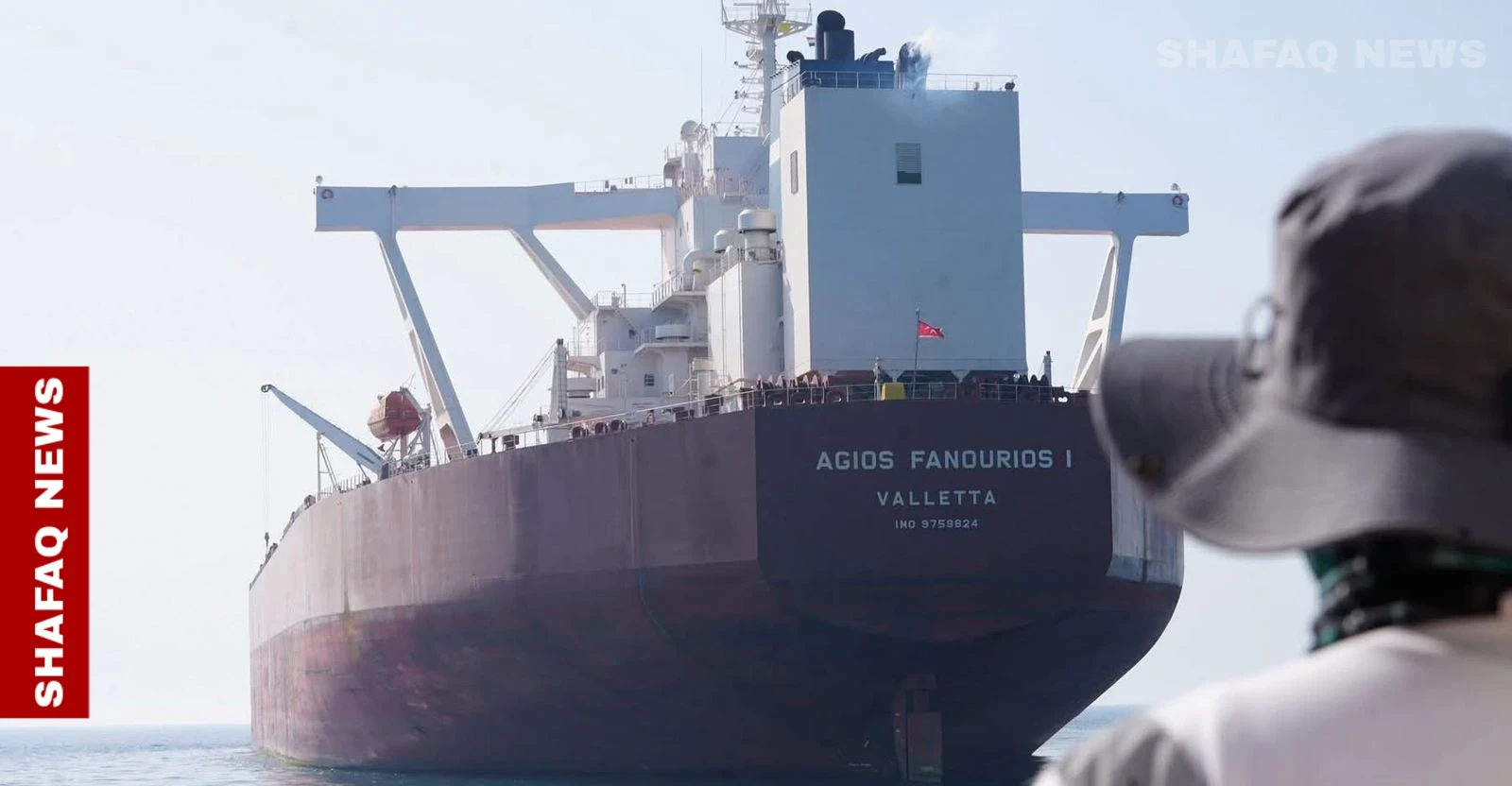 Ship tracking data showed on Wednesday that a giant Chinese oil tanker carrying about two million barrels of Iraqi crude was attempting to cross the Strait of Hormuz, a move that reflects the continued flow of Iraqi oil exports despite escalating security tensions in the region.
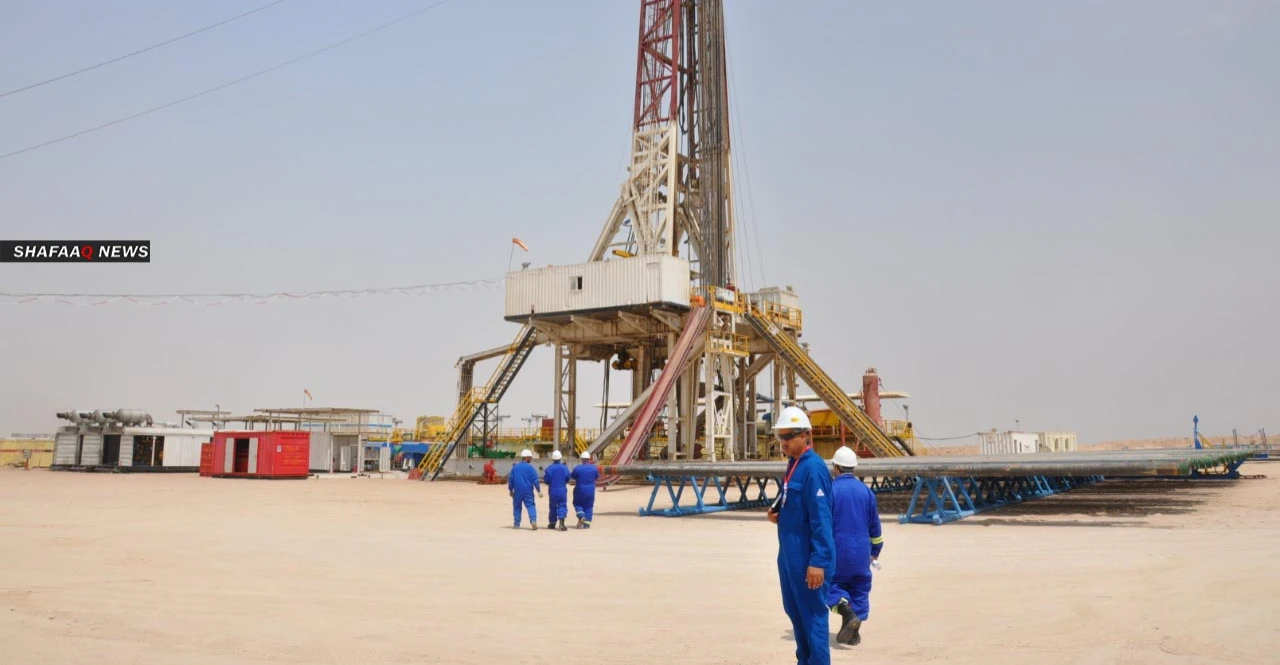 Iraq ranked fourth among OPEC countries in well drilling completion activity during 2025, an indicator that reflects continued field activity in the oil sector, despite the difference with the leading countries.
 Imran Karkoush, a member of the State of Law Coalition, revealed on Tuesday the existence of deep disagreements among political blocs regarding the distribution of ministerial portfolios in the upcoming government. He also suggested that the decision on two sovereign ministries would likely be postponed until after the vote of confidence.
 Member of Parliament Mukhtar al-Moussawi confirmed on Tuesday that Parliament will begin appointing the heads and deputies of parliamentary committees immediately after the vote on the cabinet, stressing the need to activate the oversight role without favoritism. Al-Moussawi told the Information Agency that “the committee heads are the essential element for strengthening parliamentary work, and the process of selecting each committee head and their deputies will be conducted through internal voting and under the direct supervision of the Parliament’s leadership.”
 MP Riyadh Adai warned the prime minister-designate on Tuesday against succumbing to pressure from certain political forces seeking to impose “incompetent” figures in the upcoming cabinet. He stressed the necessity of selecting professional ministers, free from the abhorrent quota system.
 MP Qusay Abbas, from the Badr Bloc, indicated on Tuesday that the cabinet formation is likely to be finalized and presented to Parliament for a vote of confidence by the end of this week. He emphasized the continuation of intensive dialogues among political forces to overcome the remaining obstacles.
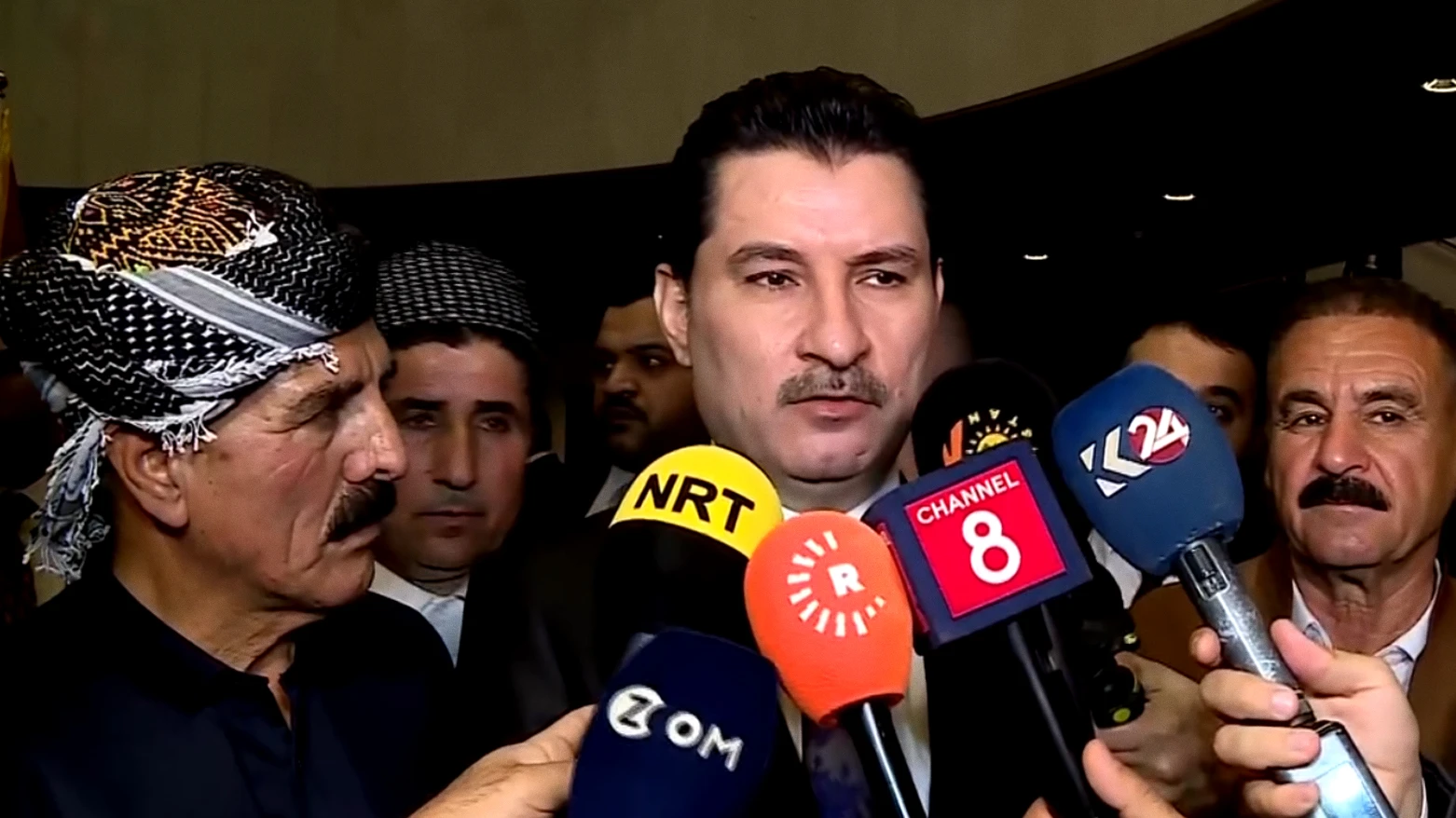 The head of the Kurdistan Democratic Party bloc in the Iraqi parliament, Shakhwan Abdullah, predicted on Tuesday that the formation of the next federal government, headed by Prime Minister-designate Ali al-Zidi, would be postponed until next week, attributing the reason to international and regional interventions.
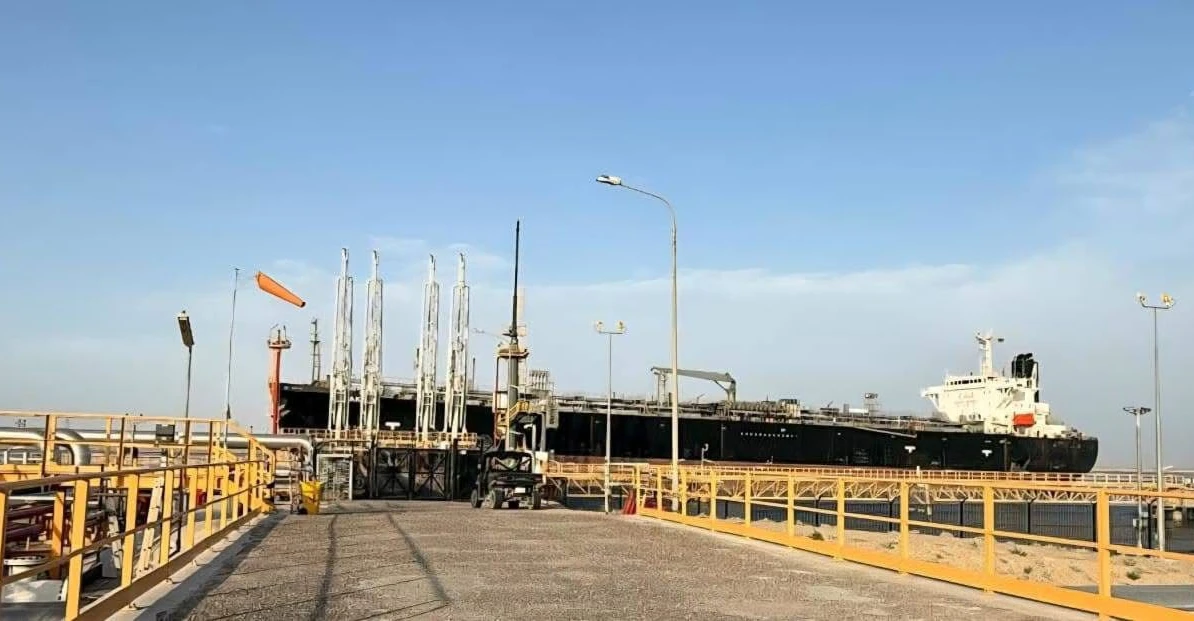 The Undersecretary of the Ministry of Oil for Gas Affairs, Izzat Saber Ismail, announced on Tuesday that the Basra Gas Company had successfully resumed loading and exporting a shipment of condensate, after a forced halt due to the repercussions of the unrest that accompanied shipping and export operations in the region.