
A political move is expected to finalize the cabinet formation.
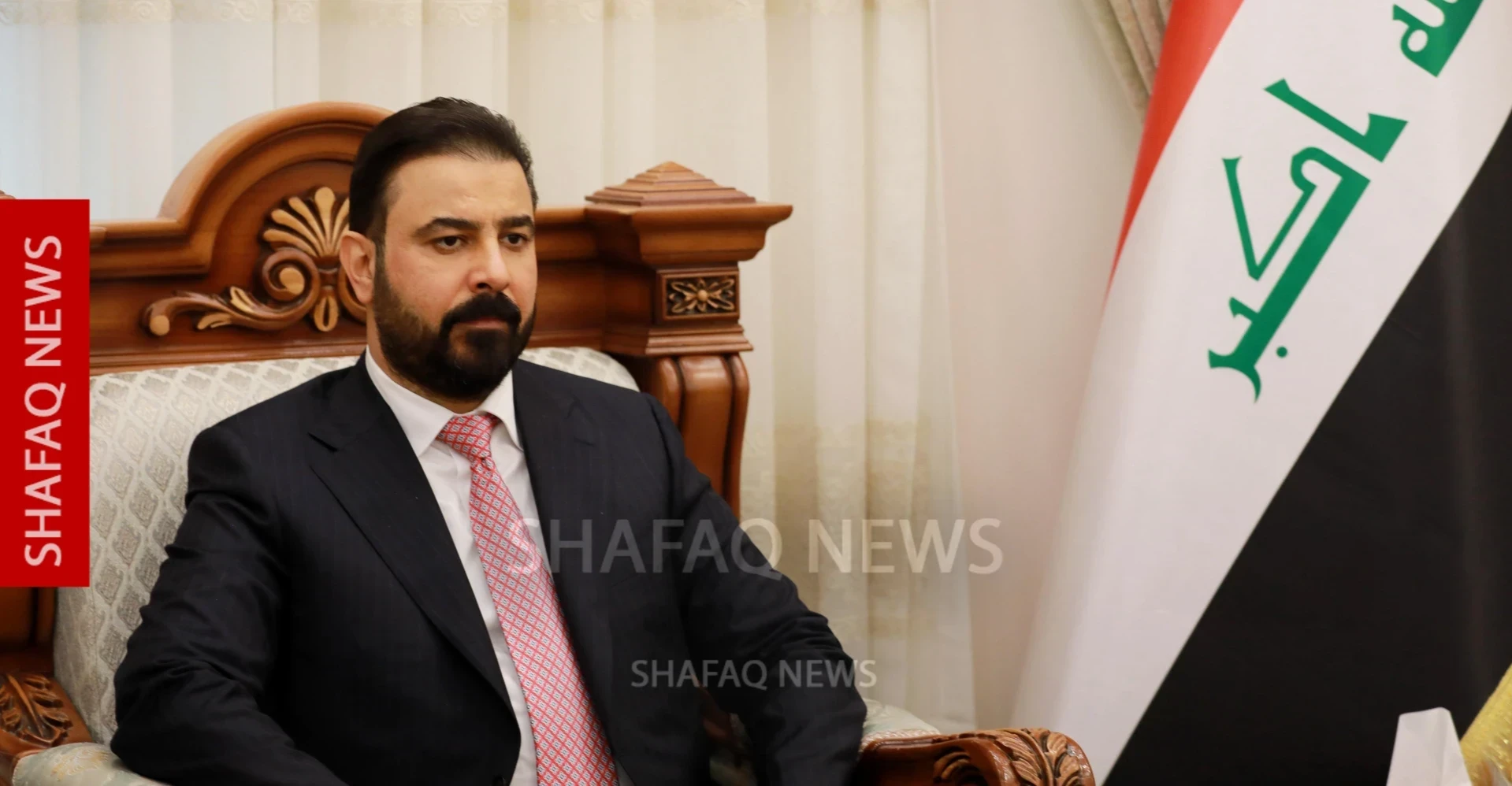 With the end of the legislative recess and the return of the House of Representatives to its duties, the political arena enters a new phase of dialogues aimed at accomplishing a number of postponed obligations, foremost among them completing the cabinet and resolving the vacant ministries. Politics
Political circles confirm that the next phase will witness momentum in consultations between political forces, in parallel with the government continuing to implement its priorities related to combating corruption and restricting weapons to the state, which will enhance stability and push towards completing the implementation of the government program.
Deputy Walaa Al-Jizani, Vice President of the Badr parliamentary bloc, told Al-Sabah: “The resumption of the House of Representatives’ work after the end of the legislative recess will bring back to the forefront a number of important issues, most notably completing the cabinet and resolving the vacant ministries.” He explained that “this issue is still subject to intensive political dialogues and consultations between the blocs in order to reach final agreements on the candidates.”
Al-Jizani added that “the political forces are working to bring viewpoints closer and resolve points of disagreement related to the nominated names, noting that some of the figures that were put forward in previous sessions did not receive enough votes, which led to postponing their resolution, and it is expected that they will be put forward again or that new candidates who enjoy broader political acceptance will be presented during the upcoming sessions.”
Al-Jizani stressed that “the next stage requires cooperation between all political forces to expedite the completion of the formation of the government cabinet, especially since fulfilling this constitutional requirement will contribute to enhancing government performance and enabling the executive authority to implement its program in an integrated manner, as well as supporting political and administrative stability and meeting the requirements of the current stage.”
For his part, Mohammed Hassan Al-Saadi, who is close to the Coordination Framework and a researcher in political affairs, told Al-Sabah: “The Coordination Framework held two meetings during the past period, during which it discussed the most prominent developments on the internal and regional political scenes, most notably the issue of completing the cabinet, in addition to the issues of restricting weapons to the state and combating corruption.”
Al-Saadi added that “the coordination framework stressed the importance of proceeding with the completion of the cabinet after the Prime Minister’s return from his visit to the United States of America,” noting that “there are extensive discussions between the government and the political forces regarding a number of important issues, foremost among them being the restriction of weapons to the state in a manner consistent with the government’s program and that enhances the prestige of the state and its institutions.” He pointed out that “the file of combating corruption represents a major priority for the government of Prime Minister Ali Faleh al-Zaidi, and that Operation Dawn came under his direct supervision, and included a number of governorates, with movements to complete it in other governorates.”
Al-Saadi explained that “the campaign reflects a unified political will to confront corruption, noting that there is good security cooperation and coordination with the Kurdistan Region that contributed to handing over a number of wanted persons to the judiciary, which reflects the spirit of national responsibility and cooperation between the various parties in pursuing corrupt individuals inside and outside Iraq.”
Political analyst Mohamed Salah told Al-Sabah that the issue of completing the government formation will be present and ready for resolution after the conclusion of discussions between the political forces, as it is one of the files that must be completed as quickly as possible in light of the requirements of the current stage, especially with regard to combating corruption and improving performance.
Governmental.
He added that “completing the cabinet will give the government greater momentum to implement its program and contribute to supporting its efforts to combat corruption and achieve the required reforms,” noting that “there are new names that will be put forward for discussion within the cabinet formation before proceeding to decide on them within the House of Representatives.”
Alsabaah.iq
 MP Mohammed Hadi called on Tuesday for support for Prime Minister Ali al-Zaidi’s anti-corruption campaign through the enactment of several laws that strengthen government procedures in prosecuting corrupt individuals, stressing the importance of the Parliament’s oversight role at this stage.
 Indian state-owned oil refineries have resumed purchasing Iraqi crude oil that would have passed through the Strait of Hormuz, in an indication that the world’s third-largest crude oil importer is seeking to bring in supplies from the Middle East after the strait was temporarily reopened.
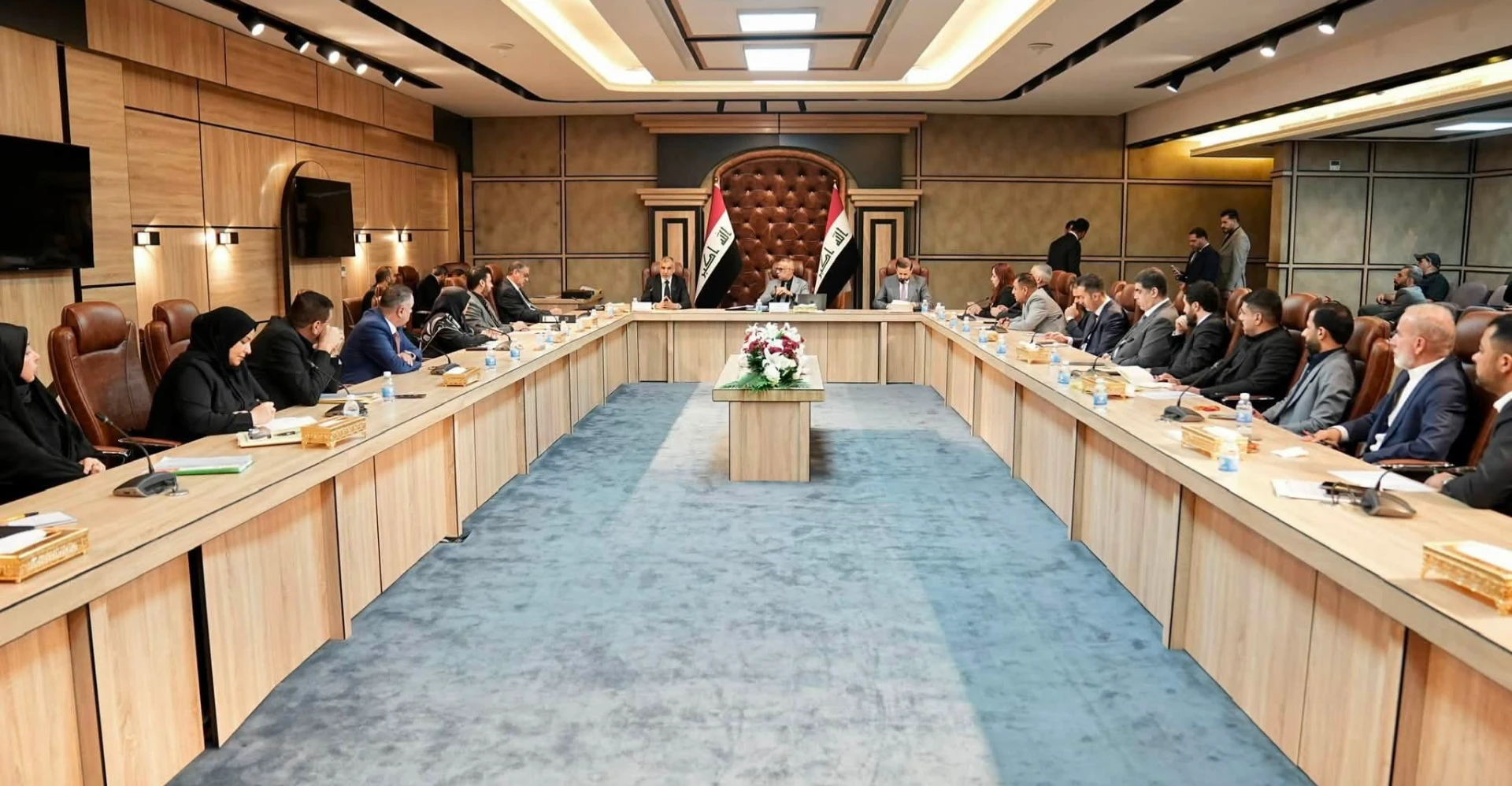 Iraqi Finance Minister Faleh Sari confirmed on Tuesday that the first phase of the program and performance budget will include the electricity sector and the governorates of Diwaniyah and Salah al-Din, with a gradual expansion to include all state institutions over the next three years. Arabs& Middle Easterners
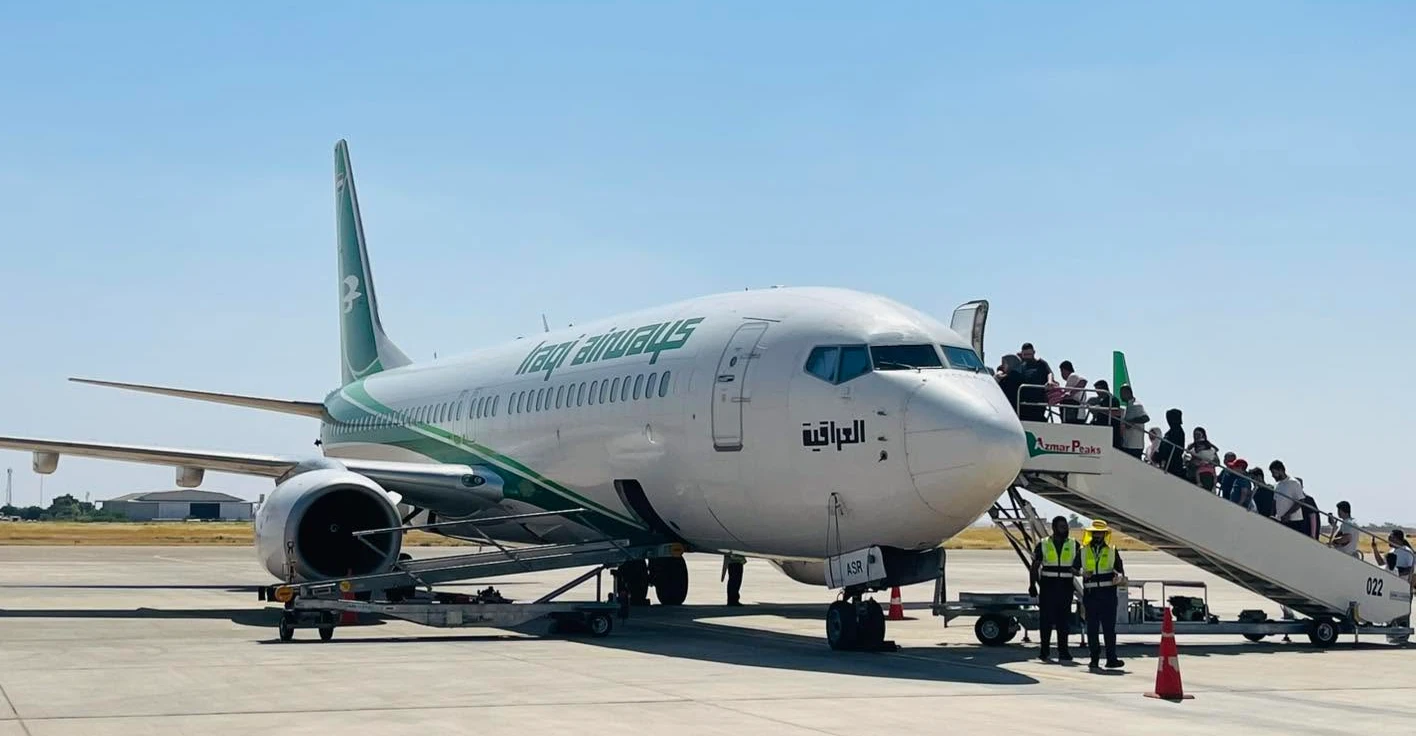 An informed source revealed on Tuesday morning that the Central Bank of Iraq has issued new directives to reduce the share of foreign currency (dollars) for travelers to $2,000 instead of $3,000, as part of the approved mechanism to meet travel requests.
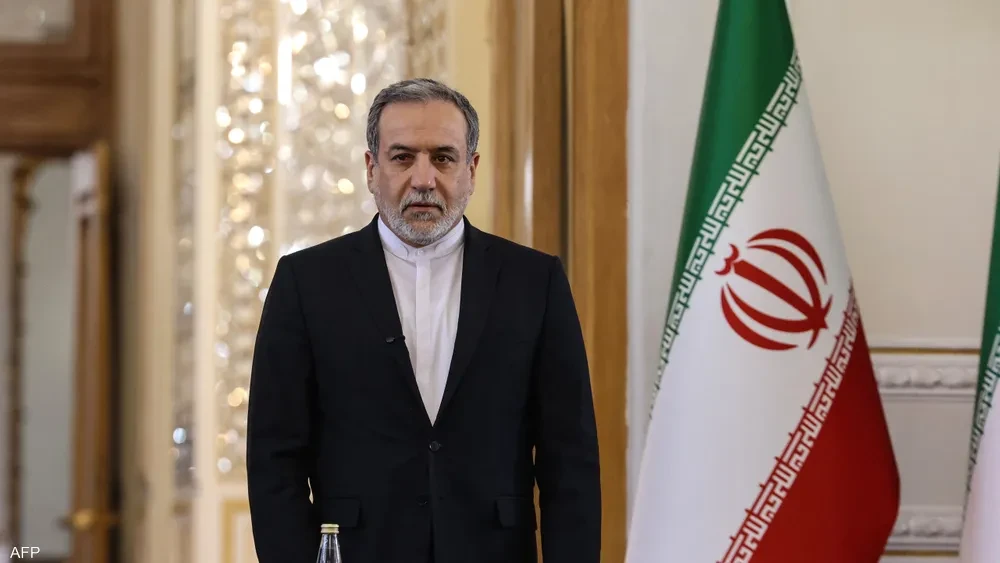 Iranian Foreign Minister Abbas Araqchi asserted on Tuesday that negotiations to reach a final agreement between Tehran and Washington will not commence if American threats persist, in response to statements by US President Donald Trump.
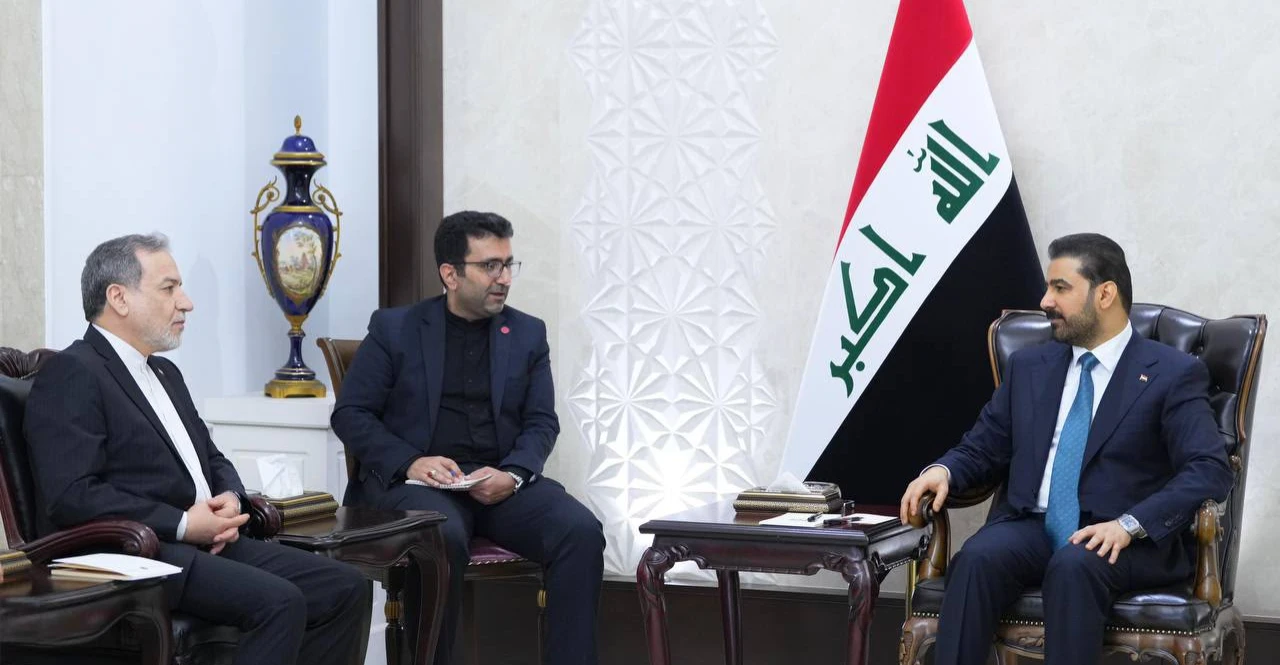 Paul Davis, an American academic and researcher in national security affairs, believes that the Iraqi government is sending clear political messages that reflect a gradual shift in its foreign policy, led by Prime Minister Ali Faleh al-Zaidi, with the aim of reducing Iranian influence and opening up more to the United States and Arab countries. GeographicReference
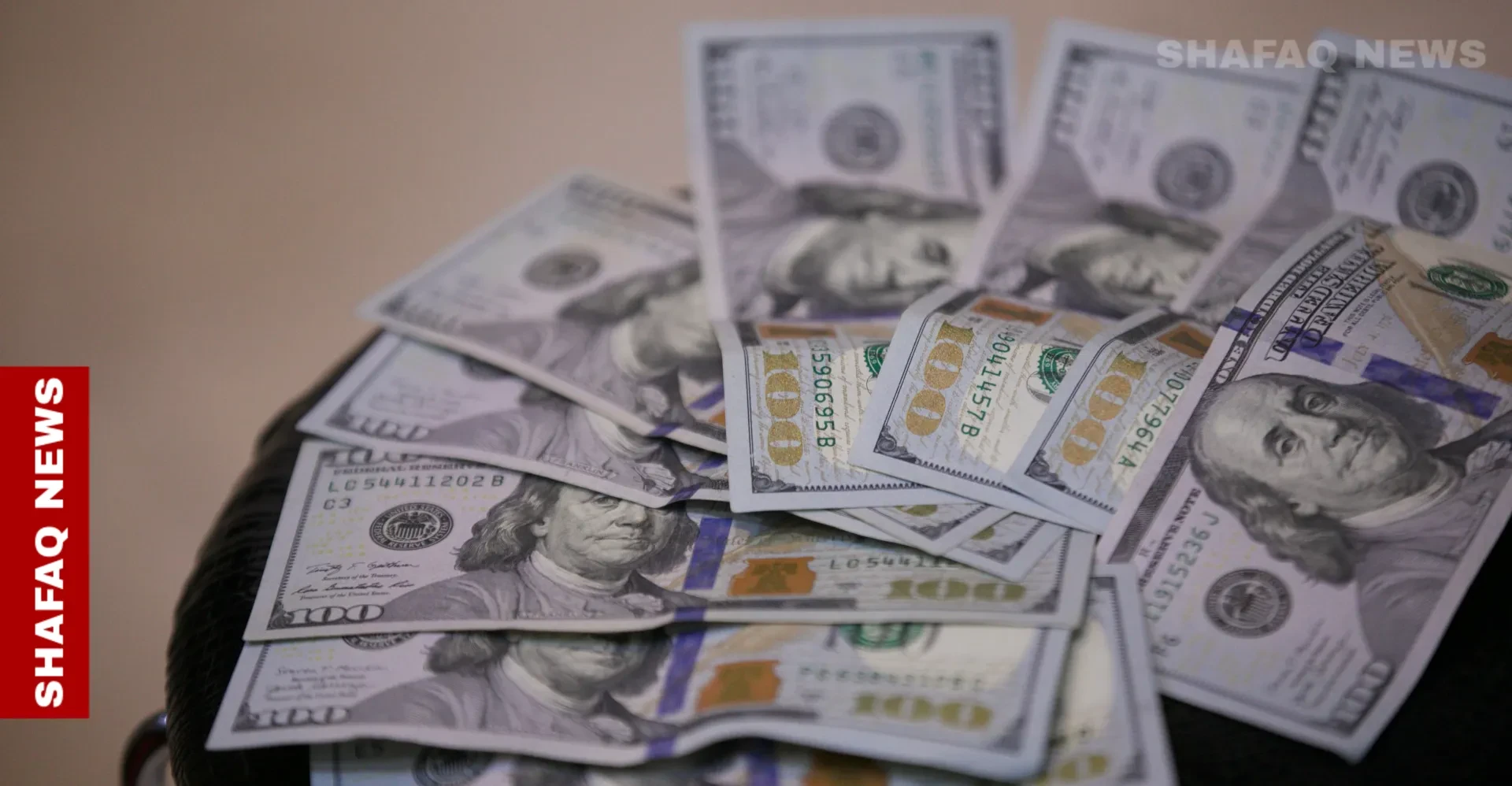 Economic expert Mohammed Al-Hassani suggested on Tuesday that the decision by the Central Bank of Iraq to reduce the amount allocated for air travelers from $3,000 to $2,000 will lead to an increase in demand for dollars in the parallel market during the first phase, with some travelers resorting to buying the remaining amount from local markets.
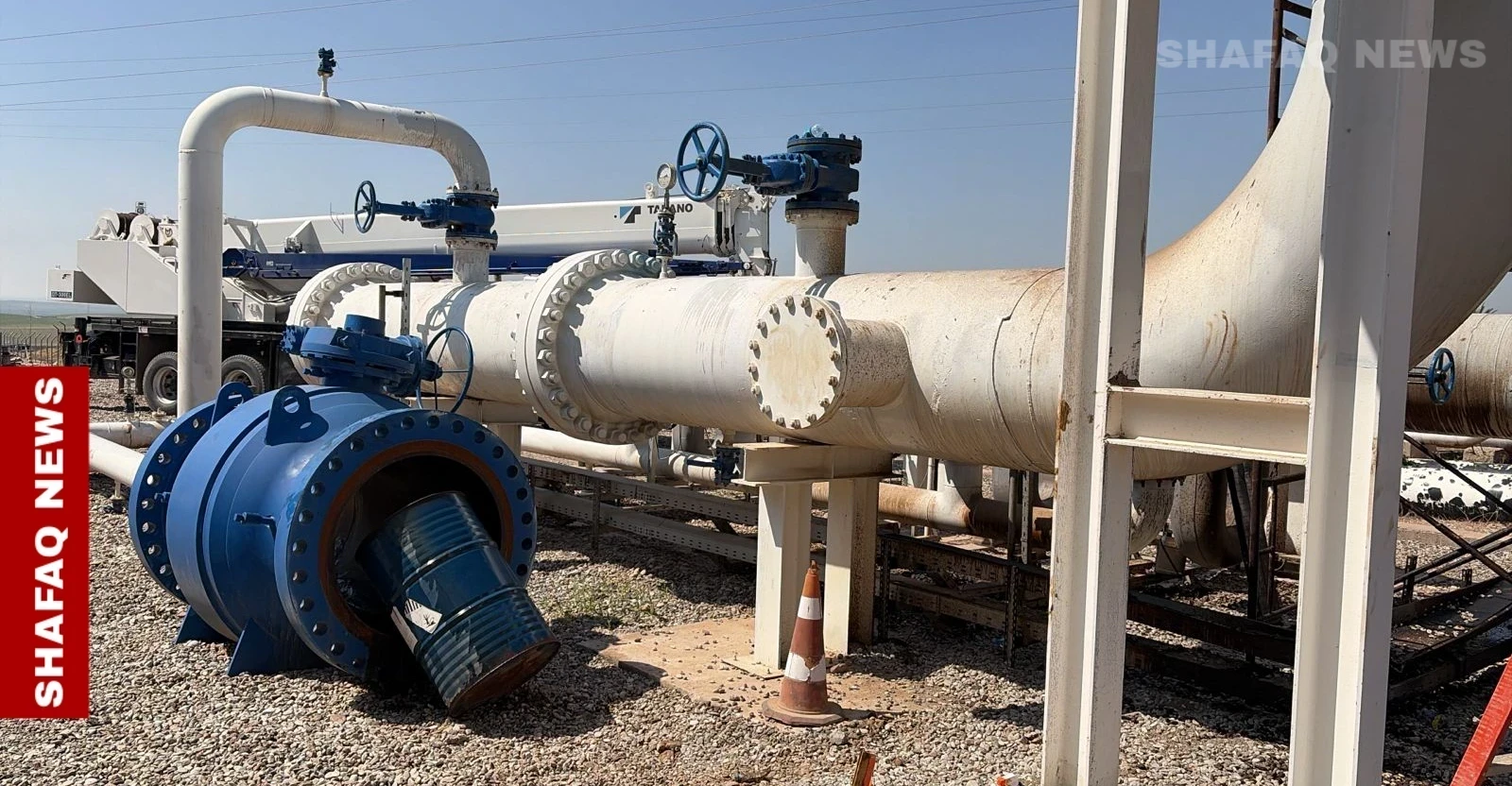 Data from Vortexa showed that Iraq exported about 780,000 barrels per day of crude oil during June, which is only about 20% of the quantities it exported before the war, making it one of the Gulf countries that has not recovered its previous levels of production and export. Arabs& Middle Easterners
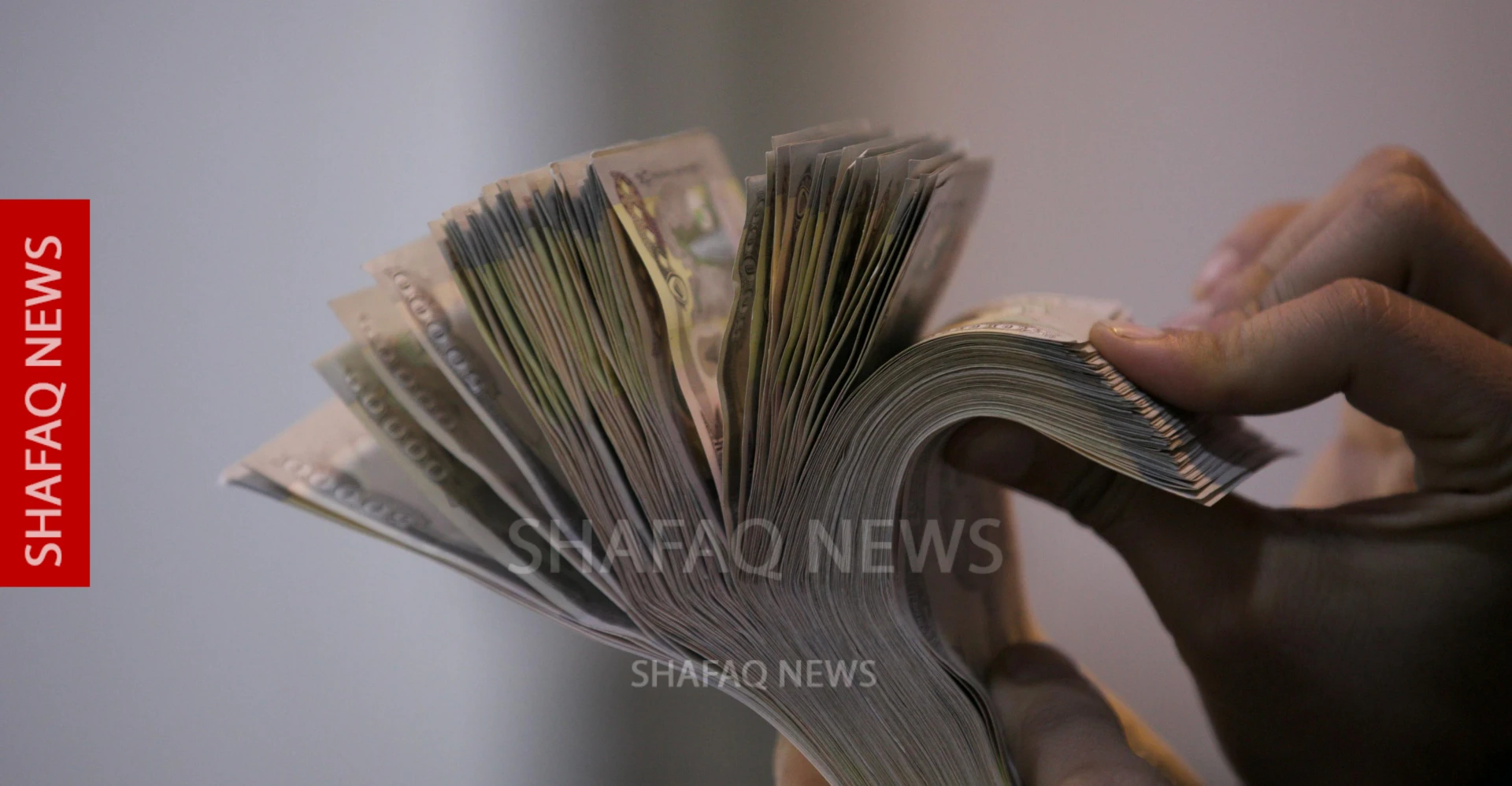 The Iraqi citizen may not directly feel the rise or fall of the Central Bank’s foreign currency reserves, but he feels its effects in the dollar exchange rate, commodity prices, the purchasing power of the dinar, and even in the state’s ability to cope with economic crises. Arabs& Middle Easterners