Exclusive: Chaldeans hand al-Zaydi a comprehensive working paper and promises to remove obstacles to their return to Iraq
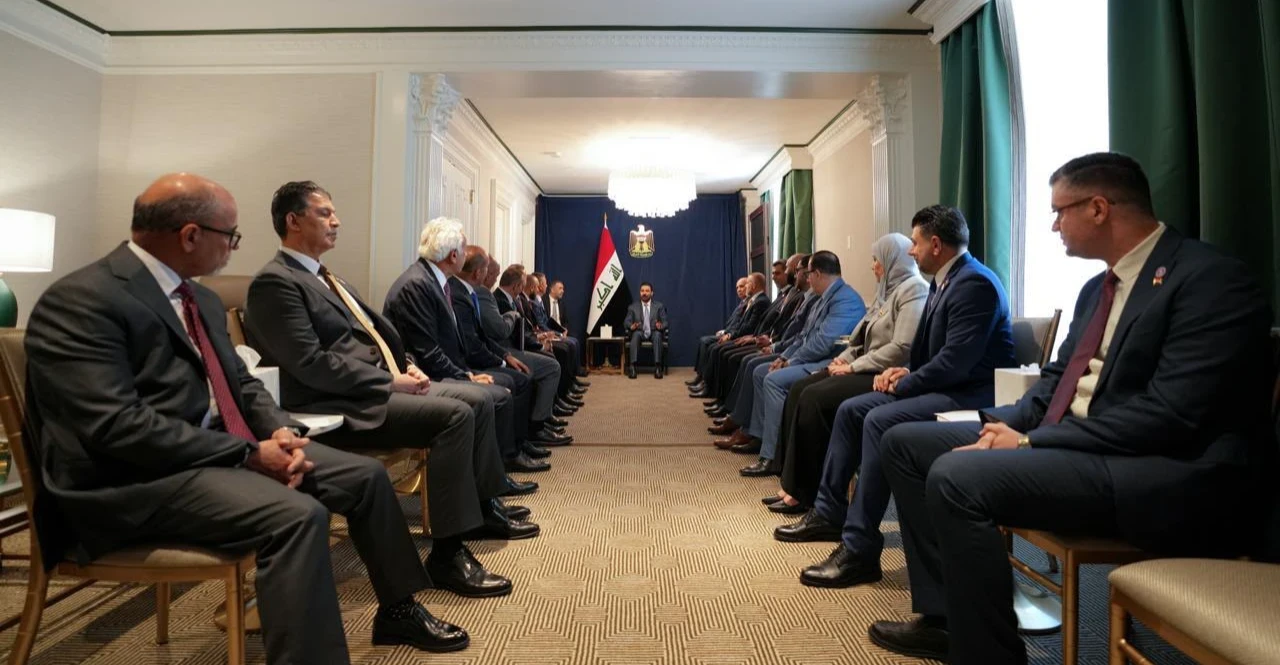 On Tuesday, Ghazwan Elias, director of the Iraq office of the Chaldean American Community Foundation in Michigan, revealed details of the meeting that brought together a delegation from the community with Iraqi Prime Minister Ali al-Zidi, confirming that he handed over a comprehensive working paper that included the most prominent demands and rights of the Christian component, while the delegation received governmental promises to work on addressing them, in addition to an official invitation for Christian emigrants to return to Iraq . Financialnews subscription
Elias told Shafaq News Agency that the meeting with the Prime Minister was “very positive and fruitful,” explaining that the Chaldean community in Michigan is one of the largest and most influential Iraqi communities in the United States on economic, political and social levels, with more than 200,000 members, while the number of Iraqi Christians of Chaldean, Assyrian and Syriac descent throughout the United States is estimated at more than half a million .
He added that the delegation handed the Prime Minister a comprehensive paper that included a number of demands related to the administrative, political, cultural and religious rights of the Christian community, as well as strengthening its representation in state institutions and government jobs .
He explained that the paper focused on the need to activate the constitutional and legal texts that guarantee the rights of Christians, in addition to accelerating the reconstruction of towns and villages that were destroyed, especially in the Nineveh Plain, and launching service and development projects that contribute to the stability of the population and encourage the return of families who left the country during the past years .
Elias noted that the delegation also called for increased opportunities for Christian talent to participate in state institutions, and for them to be given the opportunity to assume administrative and executive positions, reflecting the principle of equal citizenship and enhancing the presence of all components in state institutions .
He stressed that the Prime Minister showed great understanding of what was stated in the paper, and considered that the demands presented were based on the constitution and the law, and represented national entitlements that contribute to strengthening national unity and consolidating the principle of partnership among Iraqis .
He added that Al-Zaydi pledged to work on overcoming the obstacles facing the Christian community, and to take steps to address a number of outstanding issues, in line with the government program aimed at consolidating stability and strengthening social cohesion .
Elias revealed that the Prime Minister, through the Chaldean community delegation, sent a message to Iraqi Christians in the diaspora, calling on them to return to their homeland, invest in Iraq, and participate in the process of building and development .
He concluded that Al-Zaydi affirmed that Iraq is “a homeland for all its sons,” and that the government is working to provide a more stable and secure environment, which will encourage Iraqi talents abroad to return and contribute to building the country, based on the principle of complete equality in rights and duties, and consolidating the inclusive national identity that accommodates all components .
Earlier today, during a meeting with Iraqi businessmen in the United States, particularly members of the Christian community, Al-Zaydi called for investment in the education, health, and oil industries, and participation in the reconstruction of the Nineveh Plain region .
Al-Zaidi’s invitation came during his reception, at his residence in the American capital, Washington, on Monday evening, of a number of representatives of the Iraqi Christian community and Iraqi businessmen residing in the state of Michigan .
Community representatives and businessmen expressed their readiness to enter the Iraqi market and establish partnerships between American companies and the public and private sectors in Iraq, in order to support the diversification of the economy and expand cooperation in various fields .
Shafaq.com
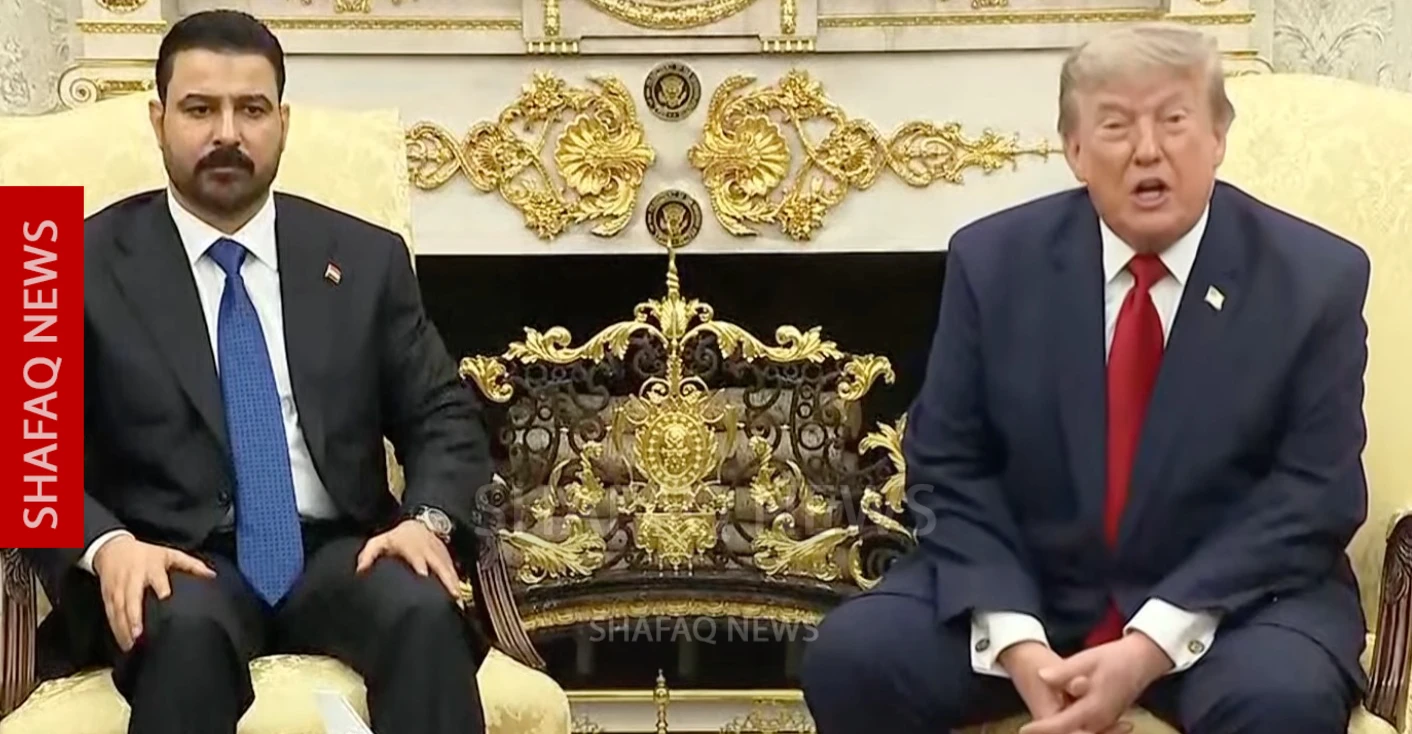 US President Donald Trump announced on Tuesday evening that a major oil partnership with Iraq will be announced next week.
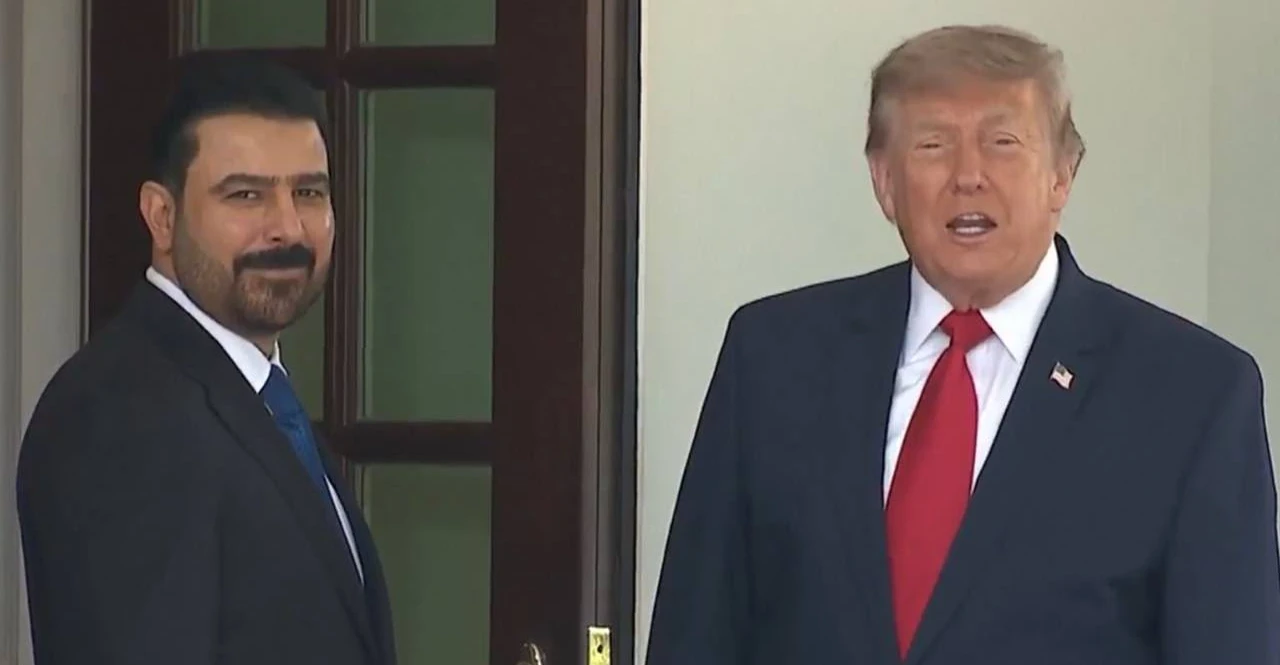 Iraqi Prime Minister Ali Faleh al-Zaidi met with US President Donald Trump at the White House on Tuesday, according to a statement from the Prime Minister’s media office. News
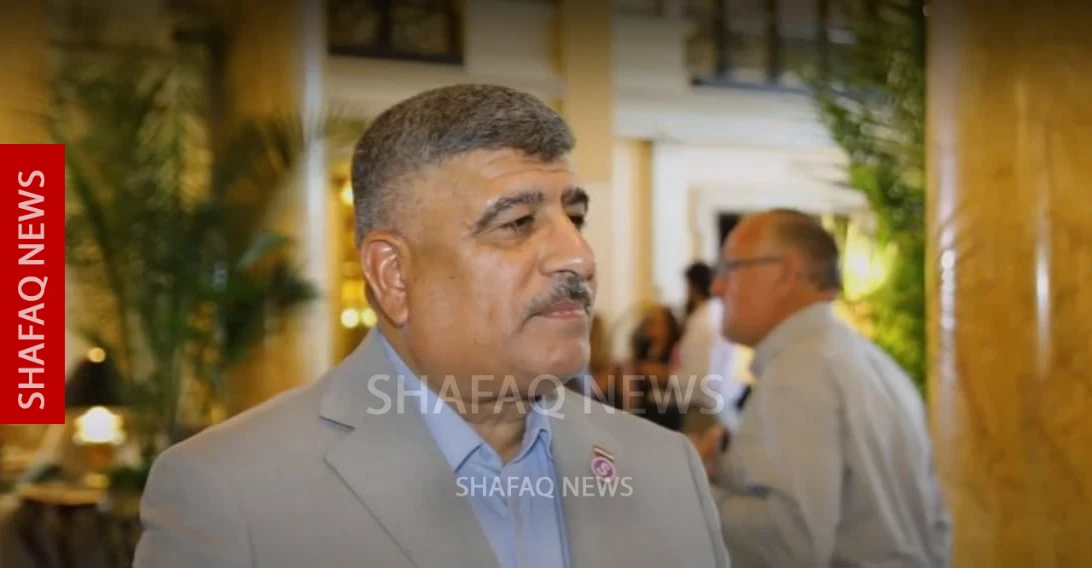 On Tuesday, the spokesman for the Commander-in-Chief of the Iraqi Armed Forces, Sabah al-Nu’man, revealed that Baghdad intends to establish a bilateral military partnership with the United States after the end of the international coalition’s mission, while emphasizing that the issue of restricting weapons to the state is a “sovereign Iraqi decision” that is being worked on according to a purely governmental vision, and there is no external coordination regarding it . MiddleEast news
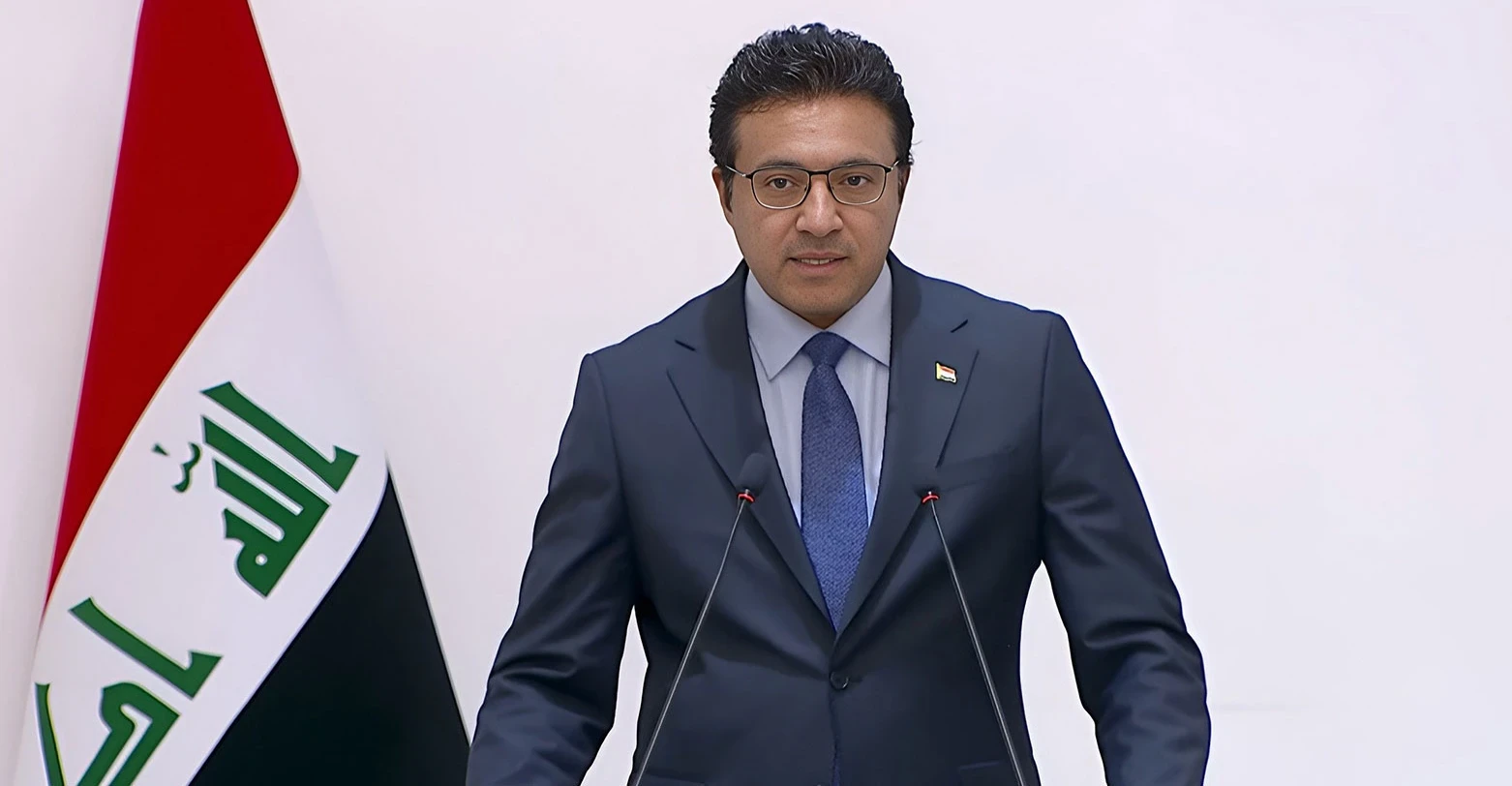 Iraqi government spokesman Haider al-Aboudi confirmed on Tuesday that Prime Minister Ali al-Zaidi’s visit to the United States represents a pivotal moment in Iraqi-American relations, considering it the most important visit for an Iraqi government since 2003, because it moves the relationship between the two countries from managing security files and crises to building a long-term economic and investment partnership. Regionalnews updates
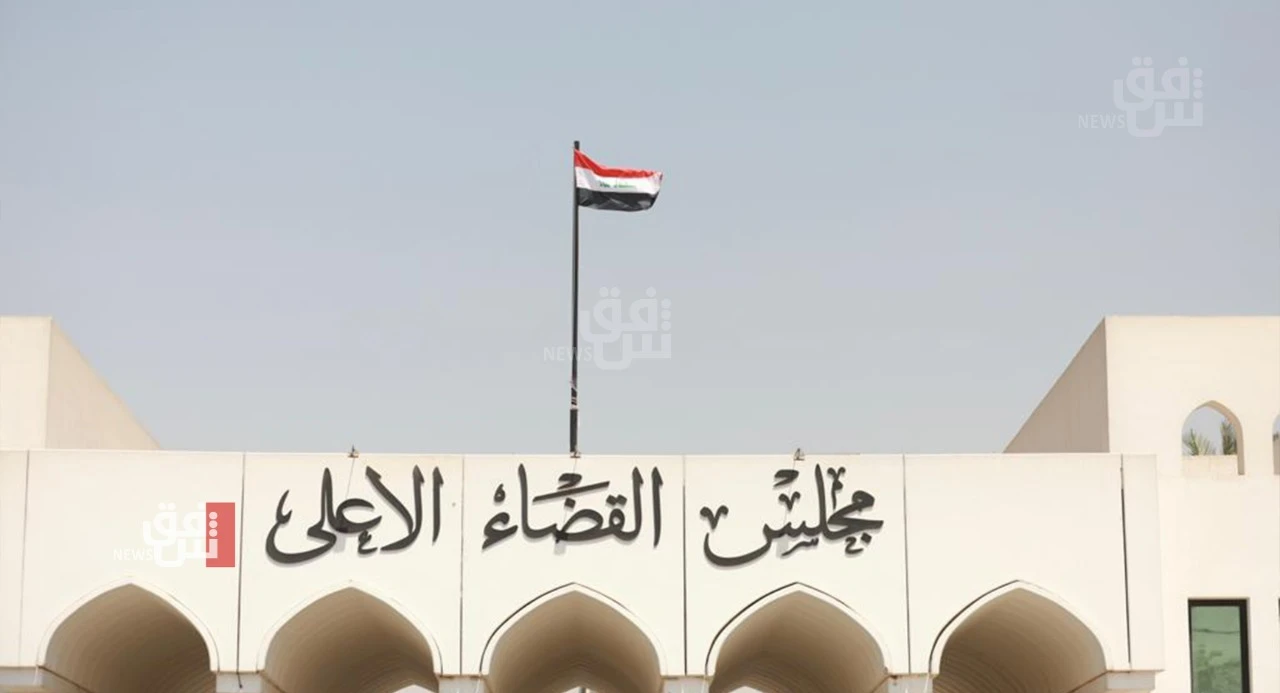 Member of the Legal Committee in the Iraqi Parliament, MP Mohammed Jassim Al-Khafaji, announced on Tuesday that an official move has been made by the Public Prosecution to open a judicial investigation into suspicions of the disappearance and fate of $140 billion of the country’s revenues. Regionalnews updates
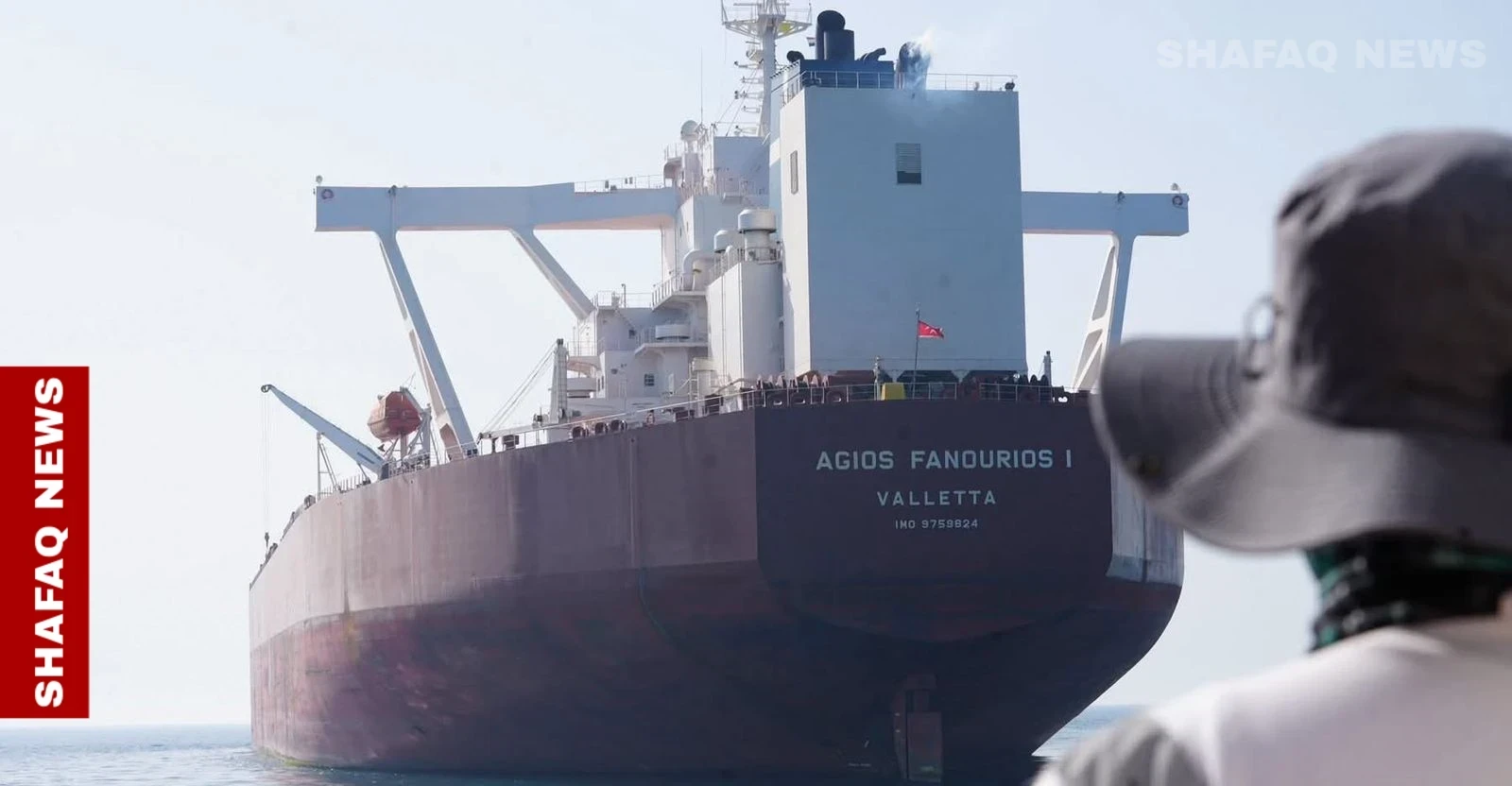 Data from OPEC’s monthly oil market report for July 2026 showed that Basra Medium crude recorded the largest monthly decline among OPEC’s basket crudes during June, after it fell by $35.12 per barrel on a monthly basis, to reach an average price of $85.10 per barrel, compared to $120.22 in May . News
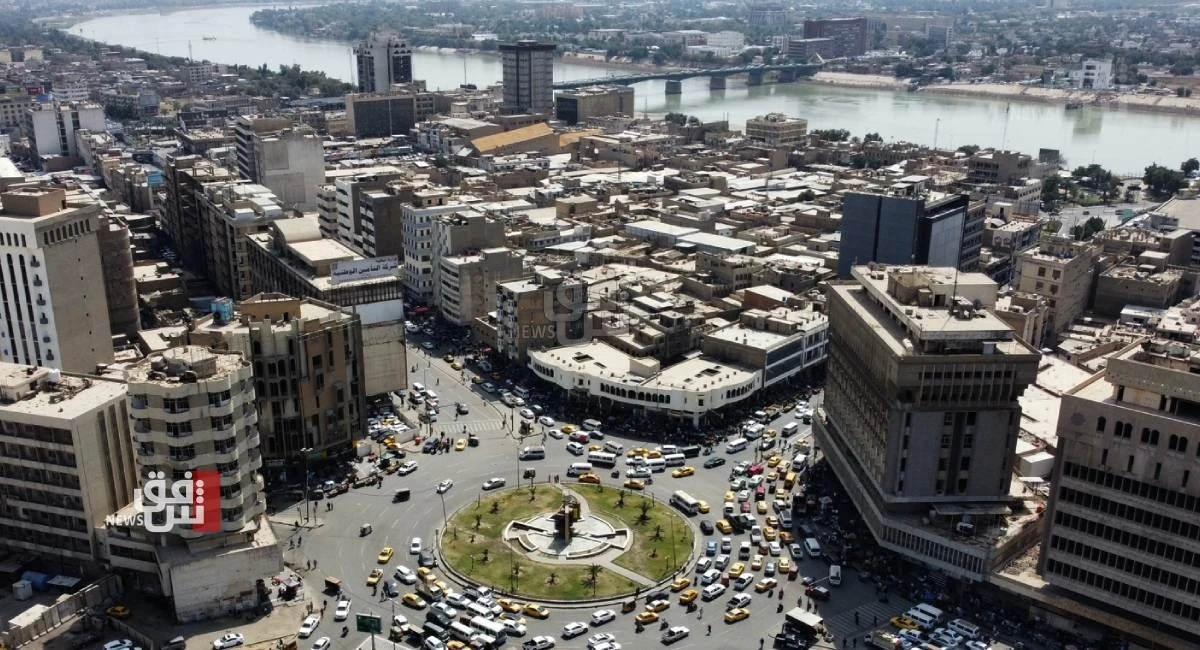 Early warning indicators for the Iraqi economy for the fourth quarter of 2025, issued by the National Accounts Directorate, showed that the gross domestic product at current prices reached 82.1 trillion dinars, amid mixed developments in the oil, trade, banking, energy and stock market sectors. Regionalnews updates
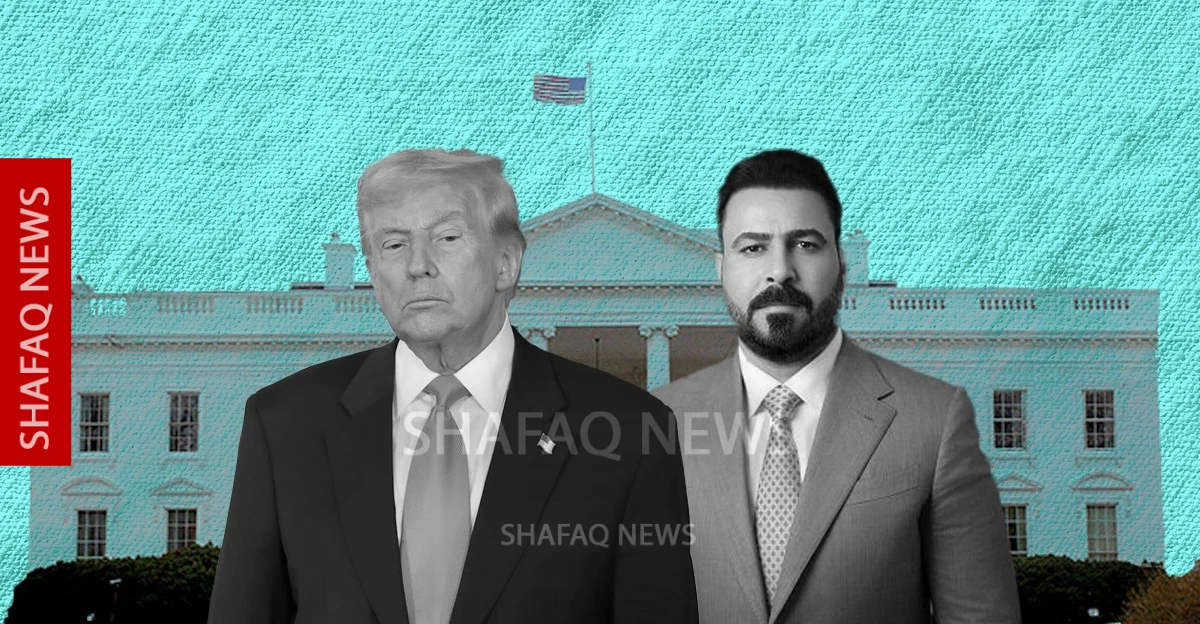 Iraqi Prime Minister Ali al-Zubaidi will receive a remarkable welcome on his first official visit to Washington, amid expectations that his talks with US President Donald Trump will constitute a real test of thorny issues, foremost among them the disarmament of Iranian-backed armed factions, an issue that could put the Iraqi government before complex internal challenges. MiddleEast news
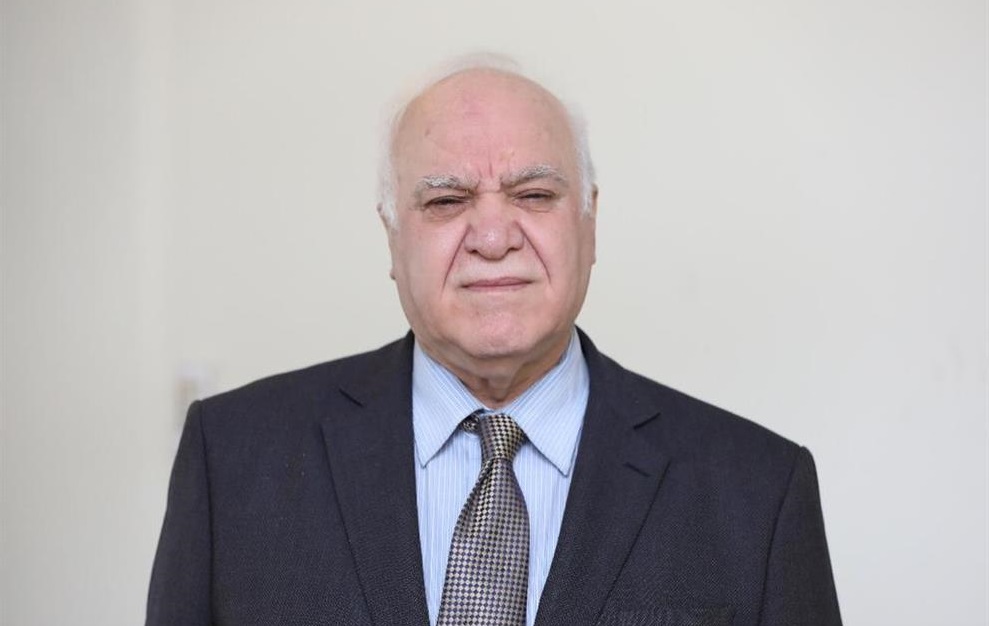 The Prime Minister’s financial advisor, Mazhar Muhammad Salih, revealed that the government will begin preparing the draft federal budget law for 2027 during the month of July, in accordance with the provisions of the Financial Management Law, indicating that “the upcoming budget will differ from its predecessors by adopting an economic vision aimed at stimulating investment, empowering the private sector, and establishing sovereign funds to support infrastructure projects, while continuing to address internal debt and reduce financial waste.” Politicaleconomy blog