To boost its reserves, Iraq revives an oil well that has been absent for three decades.
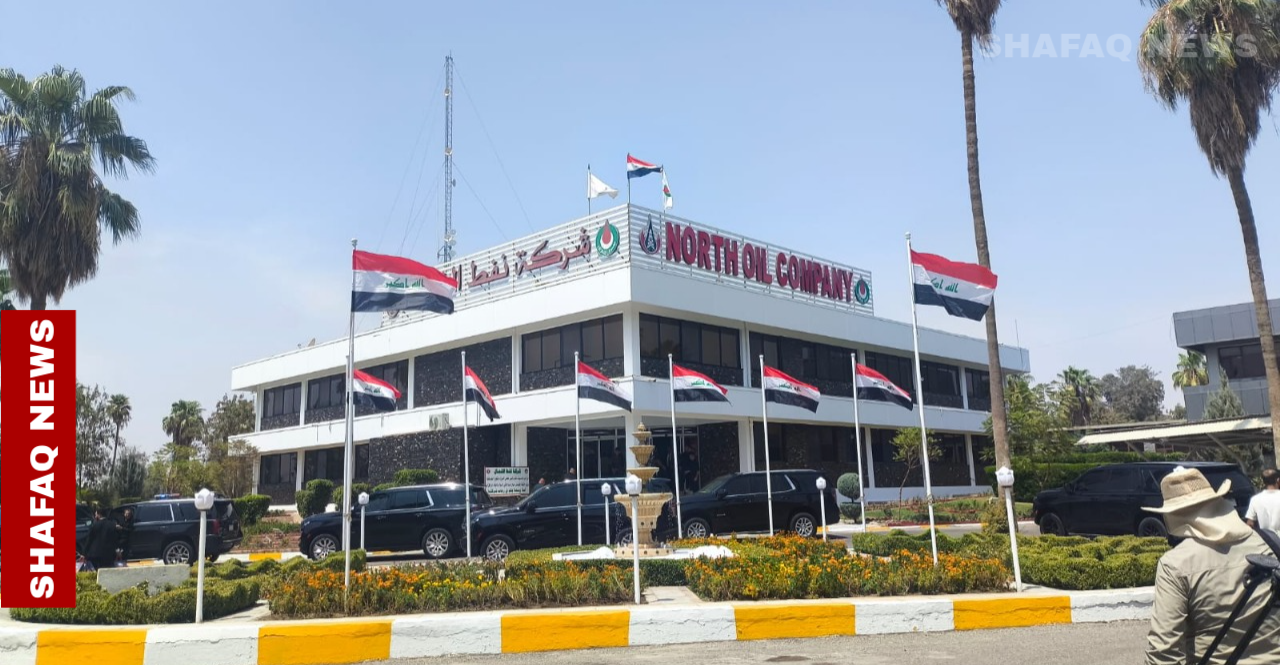 Shafaq News – Sources in the North Oil Company, affiliated with the Iraqi Ministry of Oil, revealed on Saturday that drilling operations had begun on the first oil and gas well in the Kifri A field, for the first time in more than three decades. This is a step that will boost the company’s crude oil and gas production capacity .
The sources told Shafaq News Agency, “The North Oil Company has started drilling the first new well in the Kifri A field after a hiatus of more than 30 years,” indicating that “the field is one of the company’s untapped assets and represents part of its discovered oil well stock .”
She added, “The company’s Projects Department has completed the first phase of opening the road leading to the field site, located on the Kirkuk-Baghdad-Diyala road, in preparation for securing the arrival of equipment. Housing sites will later be prepared for the technical and engineering crews that will oversee the installation of drilling rigs and commence implementation operations .”
The Kifri A field is classified as one of the “important oil fields in the region, and its operation is expected to contribute to raising the North Oil Company’s oil production rates in the coming years,” according to the sources .
The Iraqi Ministry of Oil announced in early June the signing of an exploration contract for the “Kafri A” exploration well, as part of a program to drill 15 exploration wells over several years, with the goal of maximizing Iraq’s oil and gas reserves .
According to the sources, the contract includes the Iraqi Drilling Company, the Oil Exploration Company, and the North Oil Company, and actual drilling operations for the well are expected to begin within about two months of the contract signing date .
She explained that “the goal of the (Kafri A) well is primarily exploratory, meaning to discover potential oil or gas at the site, and not simply to develop existing oil resources .”
The Kifri A field is expected to contribute to increasing Iraq’s oil and gas reserves, boosting production in the medium and long term if the presence of good hydrocarbon deposits is confirmed .
The signing of the contract comes within the framework of the Ministry of Oil’s strategy to maximize national production, utilize discovered but untapped resources, and enhance Iraq’s ability to meet the needs of the domestic and foreign markets for oil and gas .
In addition, oil expert Ali Abdullah said, “The commencement of drilling operations for the first oil and gas well in the Kifri A field will contribute to enhancing the production capacity of crude oil and gas in Iraq .”
Abdullah confirmed to Shafaq News Agency that “the field constitutes part of the discovered oil reserves and potential reserves in the region,” noting that “the goal of the exploratory wells is to discover potential oil or gas, and is part of the Iraqi Ministry of Oil’s plan to maximize oil and gas reserves in Iraq .”
The oil expert pointed out that “Kafri A field is considered one of the important fields, and its operation is expected to contribute to raising the North Oil Company’s oil production rates and enhancing oil and gas reserves in the medium and long term, if drilling operations result in good hydrocarbon reservoirs .”
This step represents part of Iraq’s efforts to maximize its oil and gas production, while leveraging the province’s existing infrastructure and supporting sustainable local energy development,” according to the oil expert .
Shafaq.com

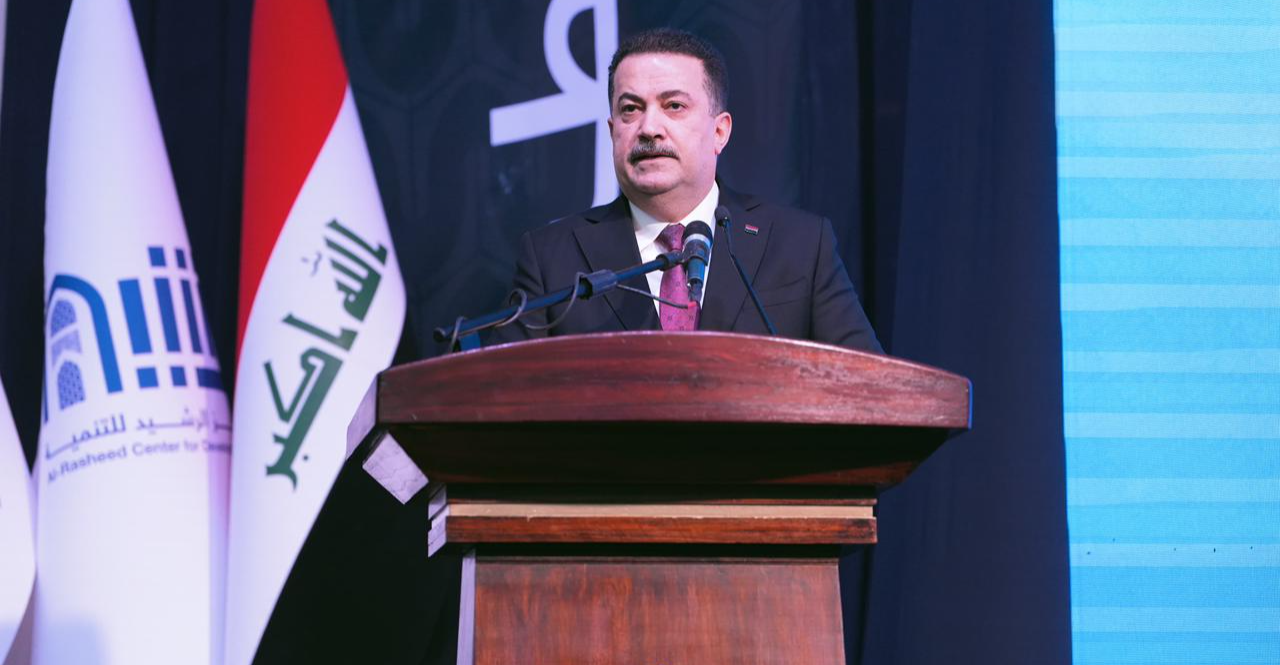 Prime Minister Mohammed Shia al-Sudani warned Iraqis on Tuesday of the repercussions of abstaining from participating in the parliamentary elections scheduled for next November.
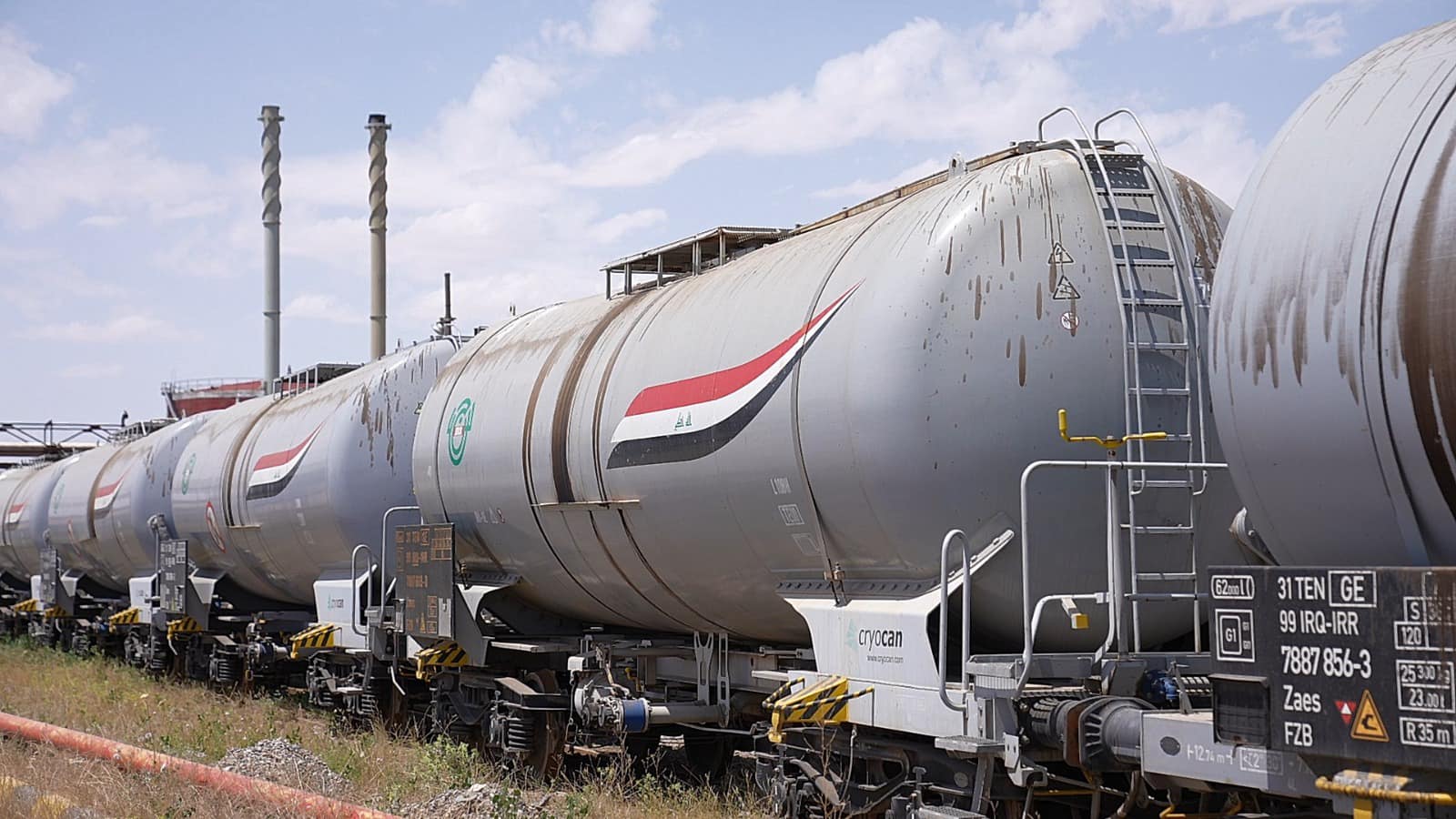 The Organization of the Petroleum Exporting Countries (OPEC) released oil production data for August 2025, showing that Iraq ranked second among the organization’s largest oil producers.
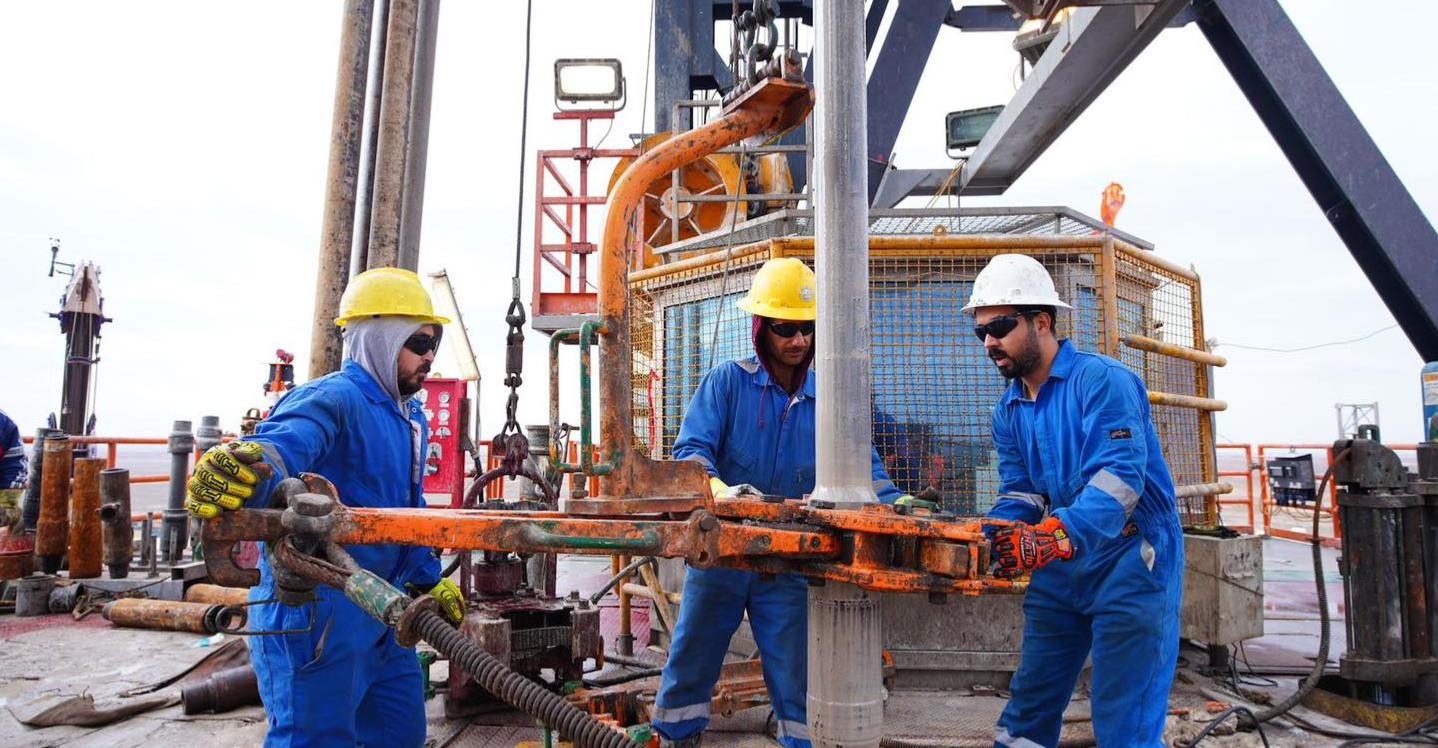 The International Energy Agency warned on Tuesday that oil and gas production continues to decline at a rapid pace in exploited fields worldwide.
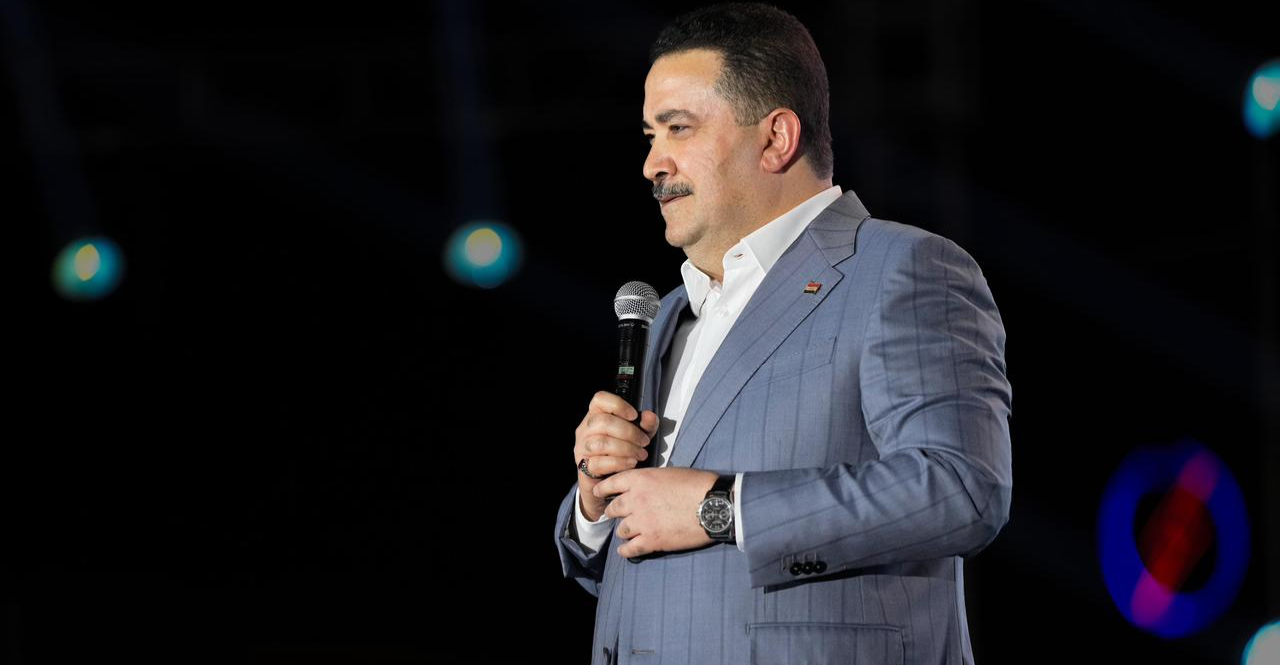 The Supreme Judicial Council sent an official letter to the House of Representatives regarding the government’s delay in sending the general budget schedules, considering that this delay constitutes a breach of the constitutional and legal obligations stipulated in Article 62/First of the Constitution.
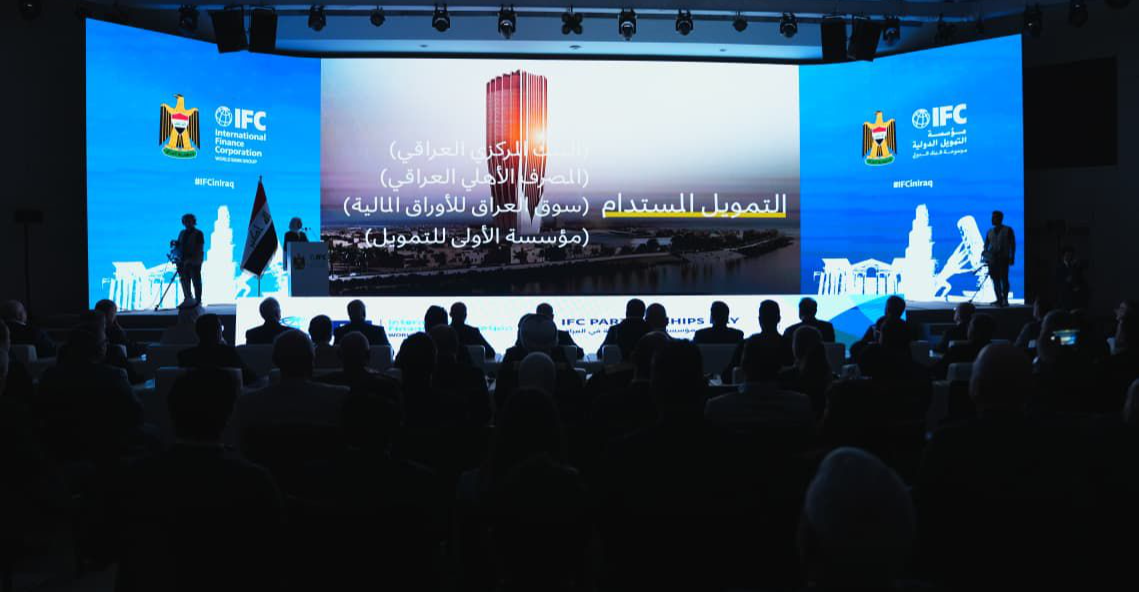 Shafaq News – The Iraqi government signed seven investment contracts today, Saturday, in partnership and financing with the International Finance Corporation (IFC).
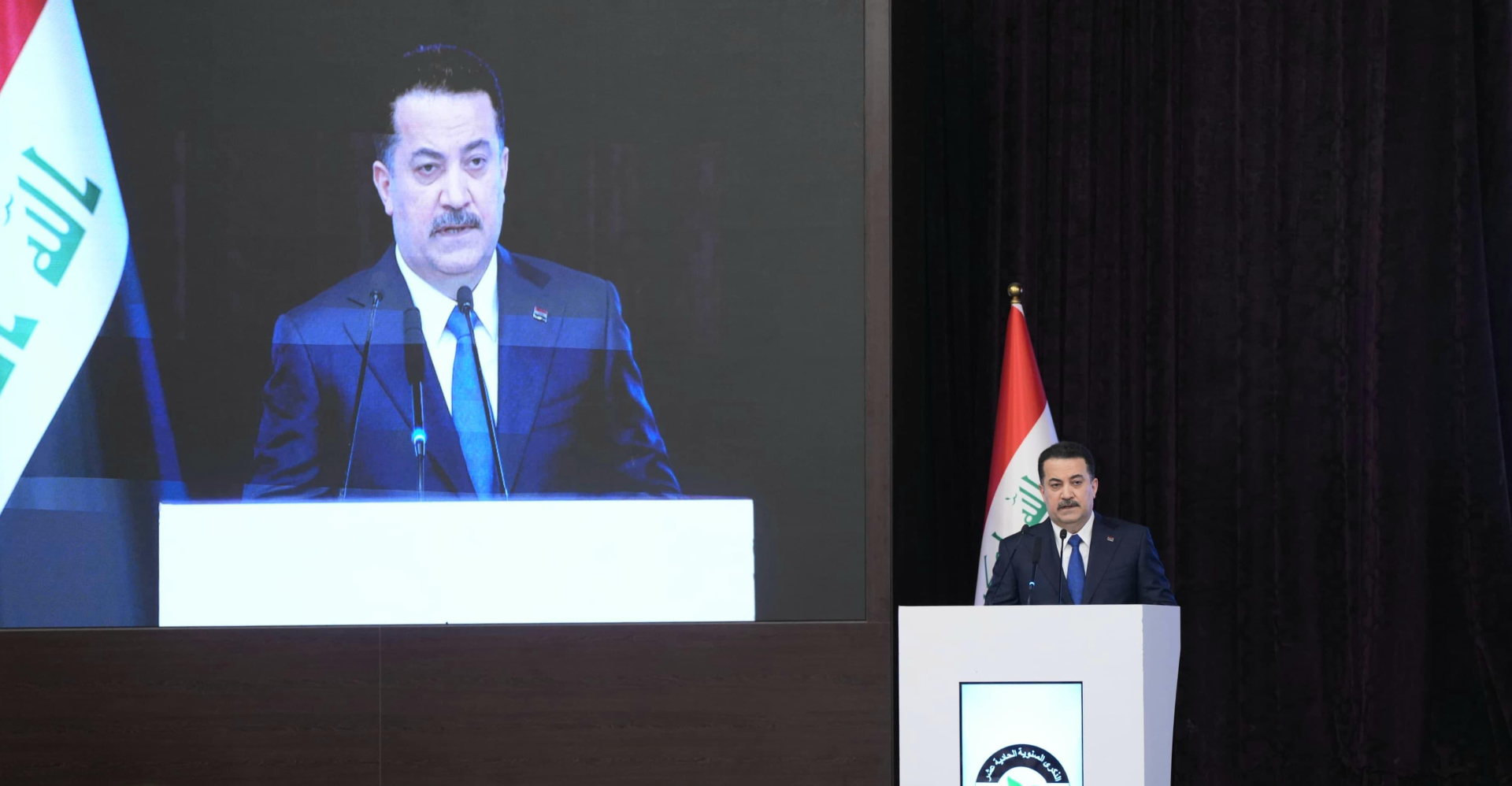 Shafaq News – Prime Minister Mohammed Shia al-Sudani said on Saturday that the government he heads truly believes in restructuring the Iraqi economy, which has been damaged by the wars and conflicts the country has witnessed. He emphasized that the volume of foreign and local investments has reached $100 billion in the past two years.
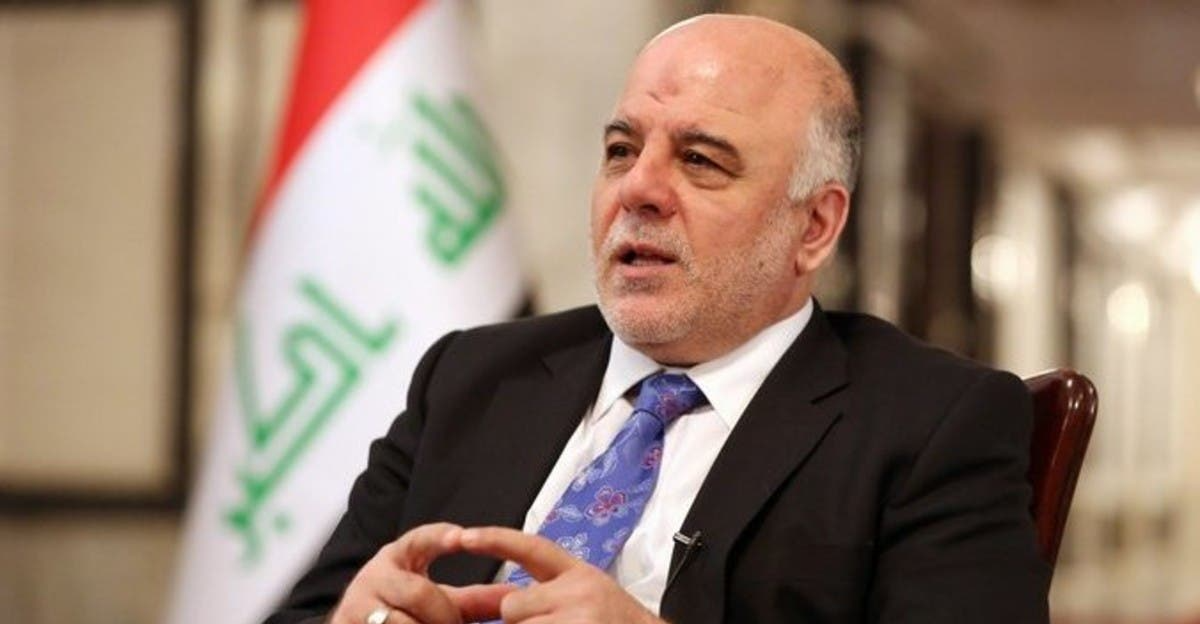 Shafaq News – Victory Coalition leader Haider al-Abadi confirmed on Saturday that his coalition was not boycotting the elections, nor would it field any candidates. He also revealed his support for Prime Minister Mohammed Shia al-Sudani to win a second term.
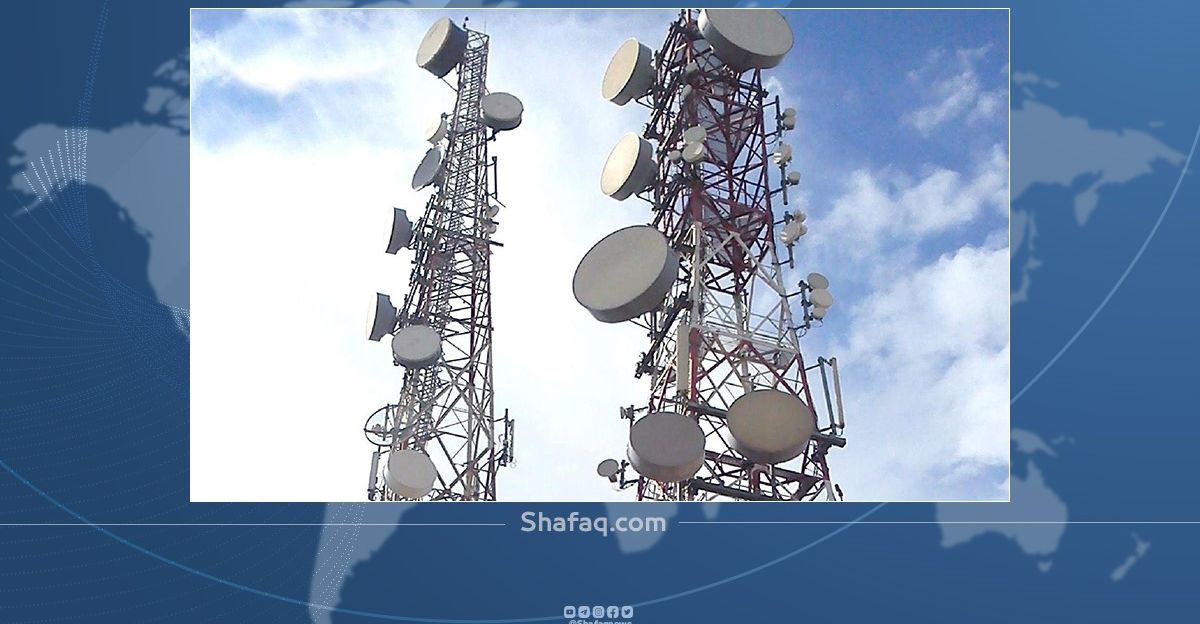 Shafaq News – The Iraqi Ministry of Communications unveiled new plans on Saturday to leverage Iraq’s unique geographic location, making it a key link between Southeast Asia and Europe via the Indian Ocean, the Arabian Sea, and the Gulf.
 The International Finance Corporation (IFC) and the Iraqi government launched a partnership day celebration a short while ago, under the patronage and attendance of Prime Minister Mohammed Shia al-Sudani. The official agency reported that “the partnership day celebration between the International Finance Corporation (IFC) and the Iraqi government was launched, under the patronage and attendance of Prime Minister Mohammed Shia al-Sudani.”