Iraq: The Development Road Project establishes a non-rentier economy capable of meeting contemporary challenges.
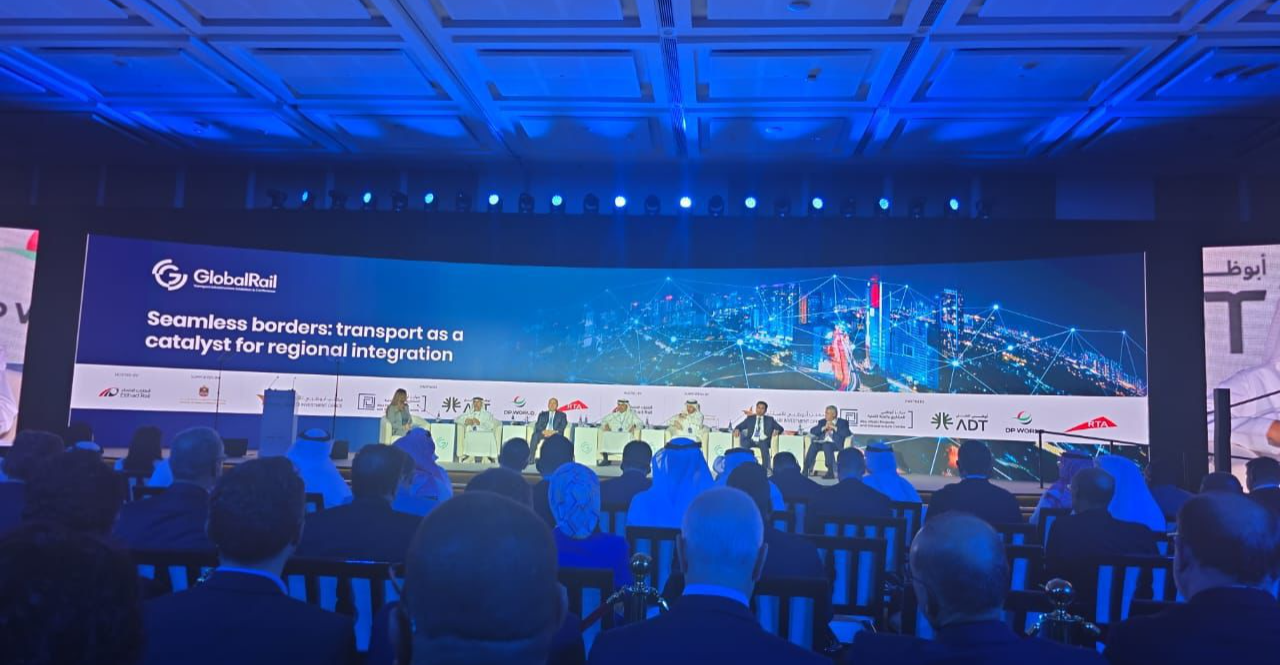 Iraqi Minister of Transport Razzaq Muhaibis al-Saadawi said on Tuesday that the vital development road project lays the foundation for a non-rentier economy capable of meeting the challenges of the times.
This came during his hosting of a dialogue session at the Global Rail 2025 exhibition for rail, transport and infrastructure in Abu Dhabi, UAE.
During the session, Al-Saadawi stated that international experience confirms that investing in railway infrastructure yields significant returns, including reduced transportation costs, enhanced trade competitiveness, and increased supply chain efficiency. Hence, the Iraq Development Road Project, a pioneering project that has made the railway sector one of its main pillars.
He added, “The Iraq Development Road project is not just a corridor for goods and passengers, but rather a network of life that brings with it job and investment opportunities.”
The Minister continued by saying that the development path represents a strategic vision for rebuilding the economy on sustainable foundations, through industrial and investment cities along its path. It also serves as a bridge linking the interests of countries and their cultures, transforming distances into cultural opportunities and establishing a non-rentier economy capable of meeting the challenges of the times.
In April 2024, Iraq, Turkey, the UAE, and Qatar signed a quadripartite agreement on the Iraq Development Road Project, under the auspices of Iraqi Prime Minister Mohammed Shia al-Sudani and Turkish President Recep Tayyip Erdoğan.
The agreement aims to enhance cooperation regarding Iraq’s strategic development project, as the four countries will work to establish the necessary frameworks for its implementation, according to a statement issued by the Prime Minister’s Office.
The strategic development road project is expected to contribute to stimulating economic growth and strengthening regional and international cooperation, achieving economic integration and sustainability between East and West.
The project will also increase international trade, facilitate the movement of goods, provide a new competitive transportation route, and enhance regional economic prosperity.
It’s worth noting that the “Development Road” project is a land and railway route extending from Iraq to Turkey and its ports. The road and railway span 1,200 kilometers within Iraq and are primarily intended to transport goods between Europe and the Gulf states.
The project’s investment budget is approximately $17 billion, including $6.5 billion for the expressway and $10.5 billion for the electric train. It will be completed in three phases, the first of which will end in 2028, the second in 2033, and the third in 2050.
The project is expected to provide approximately 100,000 job opportunities in the first phase, and one million job opportunities upon completion.
Shafaq.com
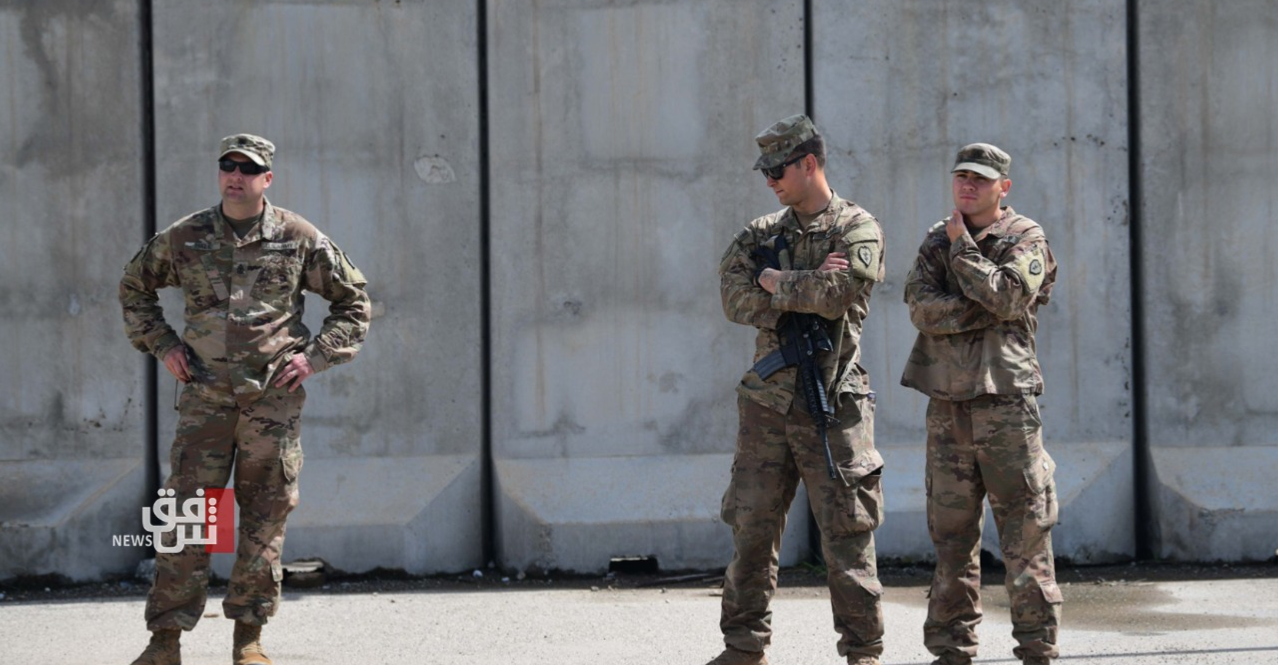 Media outlets reported on Tuesday that the Trump administration is preparing to announce the redeployment of US forces in Iraq, according to a US official.
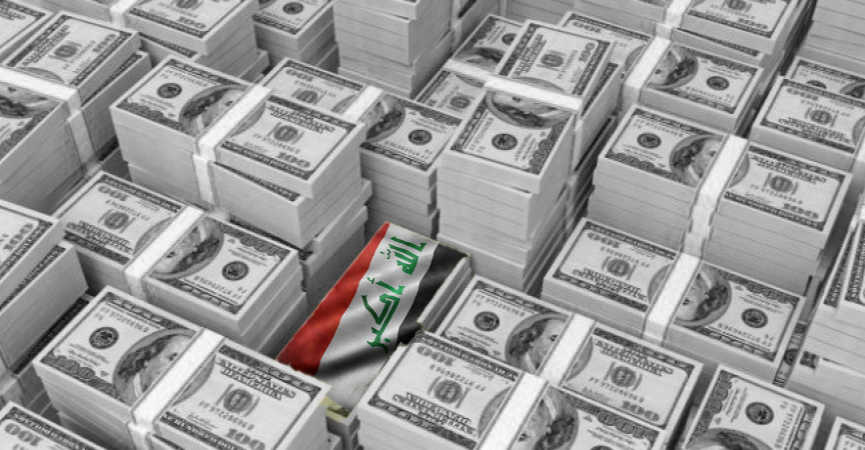 The financial and economic advisor to the Iraqi Prime Minister, Mazhar Mohammed Salih, commented on Tuesday on reports that Iraq is “drowning in debt” and warnings of a bleak future for the economy.
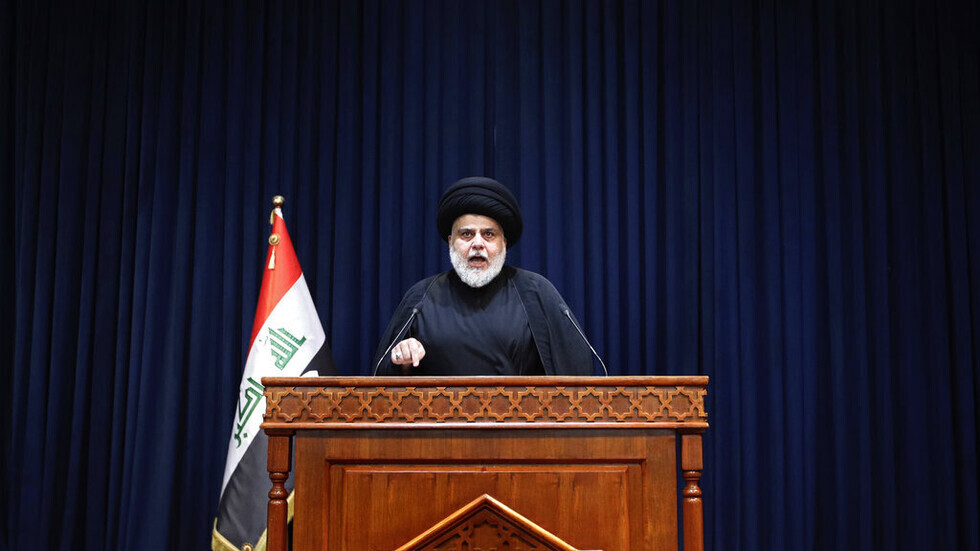 An informed source reported on Tuesday that the leader of the Shiite National Movement, Muqtada al-Sadr, rejected an offer from the Coordination Framework regarding the upcoming elections, noting that he had identified three alternative scenarios to this offer .
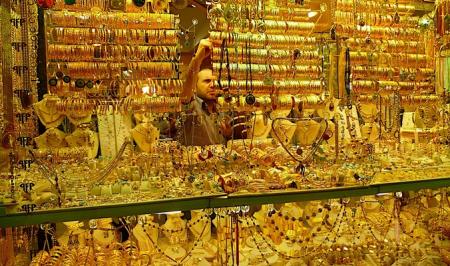 The global gold market has been witnessing a rapid upward trend since the beginning of 2025, driven by geopolitical tensions and declining confidence in financial markets, making the yellow metal the primary safe haven for capital. Iraq, for its part, is being affected by this trend in two contradictory ways: the first is positive for the Central Bank’s official reserves, and the second is negative for the local market, where the price of a mithqal has jumped to 765,000 dinars, an unprecedented figure that reflects a deepening social and economic crisis, according to modern political approaches.
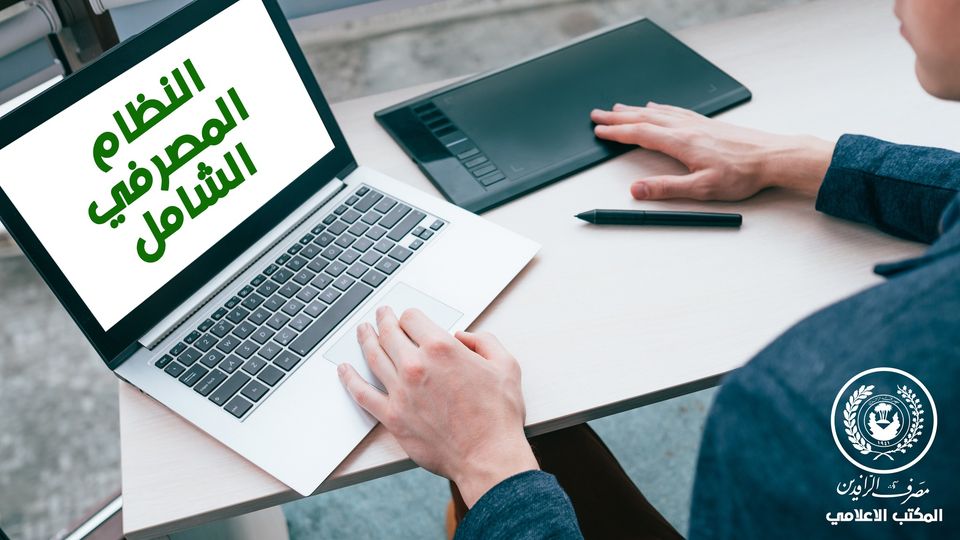 Rafidain Bank announced on Tuesday that 81 branches have joined the comprehensive banking system. The bank stated in a statement that “81 branches have joined the comprehensive banking system, following the entry of the Hudhayfah bin Al-Yaman branch and the General Secretariat of the Council of Ministers branch into the integrated electronic service.”
 The Anti-Money Laundering and Counter-Terrorism Financing Office of the Central Bank of Iraq received 2,723 reports and requests for information during the first six months of 2025.
 Prime Minister Mohammed Shia al-Sudani stressed the need to transition the development road project from technical and administrative aspects to practical implementation, while announcing that the next phase will witness the commencement of actual implementation of the road’s path.
 Abdul-Baqi Khalaf, advisor to the Ministry of Oil for energy affairs, confirmed on Monday that the introduction of renewable energy is a complementary step to fossil fuels, while pointing out that Iraq consumes about a quarter of a million barrels of crude oil per day, and that clean energy will provide this amount for export. Khalaf told the official agency that “the move towards introducing renewable energy in Iraq represents an important step,” noting that “this shift does not mean abandoning fossil fuels, but rather is complementary to them.”
 An informed political source revealed, on Sunday, the involvement of supporters of the leader of the Progress Party, Mohammed al-Halbousi, in systematic operations to purchase voter cards in Shiite-majority areas in Baghdad and a number of other governorates, in exchange for large sums of money, with the aim of destroying them and preventing their owners from casting their votes in the upcoming elections.